Treatment of Trigeminal Neuralgia Using LLLT/PBMT
Low Level Laser Therapy (LLLT), also known as Photobiomodulation Therapy (PBMT), uses red and near-infrared light applied over targeted areas. In our clinic it is used as part of a GP-led treatment approach for selected presentations, including selected trigeminal nerve pain presentations after appropriate medical assessment.
PBMT/LLLT is non-invasive and generally well tolerated. Suitability and response vary, and treatment recommendations depend on the diagnosis, severity, duration of symptoms and individual clinical factors. PBMT/LLLT has been studied for a range of musculoskeletal pain and injury conditions, including some pain and nerve-related presentations. See our references page for supporting literature.
Gentle. Drug-Free. Evidence-Informed
Key Points
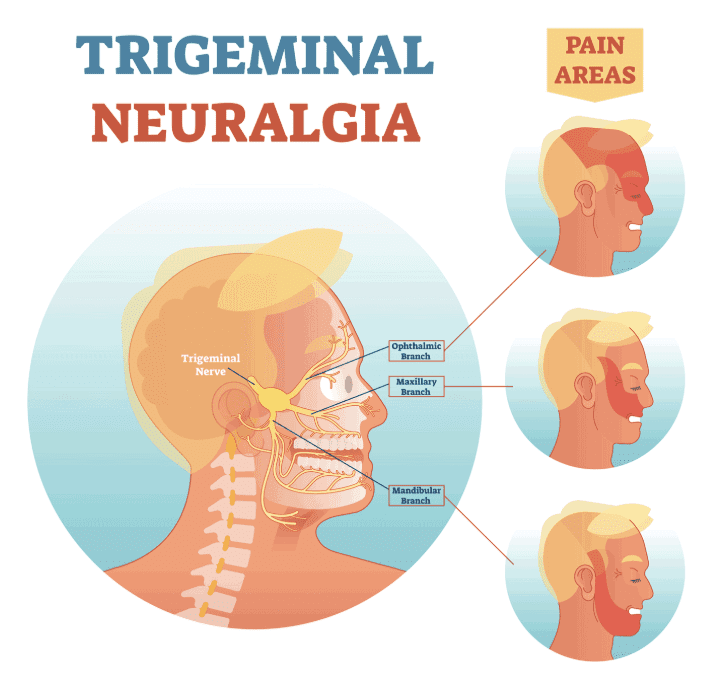
- Trigeminal neuralgia (TN) is a neurological pain condition characterised by intense, sharp, electric shock-like or stabbing pain along one or more branches of the trigeminal nerve.
- Common causes include vascular compression of the trigeminal nerve, multiple sclerosis, tumours or other structural causes, facial trauma, post-herpetic nerve irritation or idiopathic nerve sensitivity.
- TN requires careful medical assessment. MRI or specialist review may be required to exclude compression, tumour, multiple sclerosis or other neurological causes.
- LLLT/PBMT is considered only for selected presentations where symptoms appear related to nerve irritation, local inflammatory sensitivity or post-traumatic or post-viral nerve pain.
- LLLT/PBMT is unlikely to help when TN is caused by mechanical compression from a blood vessel, tumour or structural lesion. These situations require medical, neurological or surgical management.
- LLLT/PBMT may also have limited benefit in TN associated with multiple sclerosis because the underlying process involves central nervous system demyelination.
- Standard treatments for TN may include anticonvulsant medicines, pain management, nerve blocks or surgery. LLLT/PBMT is considered an adjunctive option, not a replacement for appropriate medical care.
- Treatment is GP-led by Dr Shikha Parmar and delivered as part of a structured six-week program with individualised advice and review.
What is Trigeminal Neuralgia (TN)?
Trigeminal neuralgia (TN) is a neurological disorder that causes severe facial pain, usually on one side. The trigeminal nerve carries sensory information from the face to the brain. When this nerve is irritated, compressed or damaged, it can produce sudden and intense episodes of shooting, stabbing or electric shock-like pain.
Pain episodes may last seconds to minutes and can be triggered by everyday activities such as talking, chewing, brushing teeth, shaving, touching the face or exposure to wind. For some people, the fear of triggering pain can significantly affect eating, speaking, social activity and quality of life.
TN is most commonly associated with a blood vessel pressing on the trigeminal nerve, but it may also be related to ageing, trauma, shingles, multiple sclerosis, tumours or other neurological conditions. Because some causes require specialist treatment, assessment and appropriate investigation are important.
Causes of Trigeminal Neuralgia
- Blood vessel compression: an artery or vein may press on the trigeminal nerve. This is a common cause of classic TN and may require specialist management.
- Multiple sclerosis: MS can damage the protective myelin covering of nerve fibres and may cause TN-like pain.
- Facial trauma or surgery: injury or surgery affecting the trigeminal nerve can lead to local nerve irritation or neuropathic pain.
- Post-viral nerve irritation: shingles or other viral nerve irritation can sometimes affect trigeminal nerve branches.
- Age-related change: nerve and vascular changes may increase vulnerability to compression or irritation.
- Tumours or abnormal growths: these can compress or irritate the trigeminal nerve and require medical or surgical assessment.
Where LLLT May Help
LLLT/PBMT is considered for selected trigeminal nerve pain presentations where assessment suggests local nerve irritation, trauma-related nerve sensitivity or post-viral nerve irritation rather than active structural compression. Treatment is applied externally and aims to help modulate local pain and inflammatory processes without pressure, manipulation or mechanical loading of the sensitive nerve region.
LLLT/PBMT is unlikely to be the primary treatment where TN is caused by mechanical pressure on the nerve from a blood vessel, tumour or other structural lesion. In those cases, the pressure itself may need medical, neurological or surgical management. TN associated with multiple sclerosis may also respond differently because the underlying process involves demyelination within the nervous system.
Symptoms of Trigeminal Neuralgia
- Sharp, stabbing, shooting or electric shock-like facial pain
- Pain along the jaw, gums, teeth, cheek, eye or forehead depending on the nerve branch involved
- Pain triggered by talking, chewing, brushing teeth, shaving, washing the face or light touch
- Brief repetitive bursts of severe pain, sometimes occurring many times per day
- Tenderness, discomfort or altered sensation between pain attacks in some patients
- Avoidance of eating, speaking or facial contact because of fear of triggering pain
New facial weakness, numbness, balance problems, double vision, severe headache, progressive neurological symptoms or pain associated with a rash near the eye requires prompt medical assessment.
How is Trigeminal Neuralgia Diagnosed?
Diagnosis is based on careful clinical evaluation. Dr Shikha Parmar will take a detailed history of symptoms, pain location, triggers, duration, frequency, previous shingles or trauma, medication history and the impact on daily life.
Examination may assess the painful area and trigeminal nerve function. MRI may be recommended to look for vascular compression, multiple sclerosis, tumour or other structural causes. In some cases, dental causes, sinus disease or other facial pain conditions also need to be excluded.
Trigeminal Neuralgia – Treatment Overview
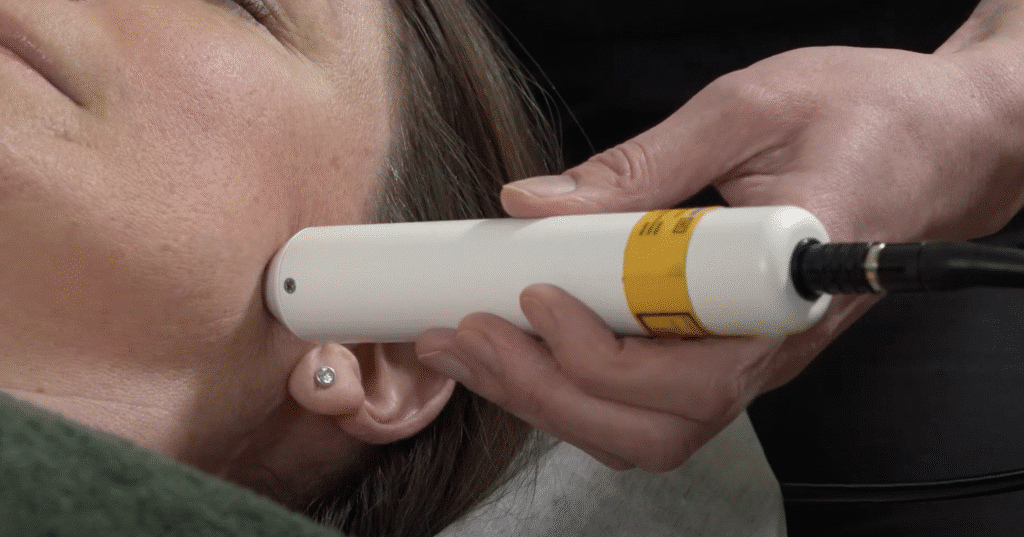
Low Level Laser Therapy (LLLT), also known as Photobiomodulation Therapy (PBMT), is considered as part of a GP-led management plan for selected trigeminal nerve pain presentations. Treatment is directed externally over relevant nerve pathways and surrounding tissues. It may help modulate local pain and inflammatory processes and support nerve and soft tissue recovery where irritation is present, without applying mechanical stress to the trigeminal nerve region.
Why Consider Low Level Laser Therapy (LLLT)?
Standard treatments for TN often include anticonvulsant medication, pain medication, nerve blocks and, in selected cases, surgery. These treatments may be essential, particularly where vascular compression or another structural cause is identified. Some patients continue to experience persistent nerve sensitivity, medication side effects or incomplete symptom relief. LLLT/PBMT can be considered as an adjunctive option where assessment suggests local nerve irritation or post-viral or trauma-related nerve sensitivity and where a gentle, non-invasive approach is appropriate.
How LLLT Works
LLLT uses red and near-infrared light and may support:
- Helping modulate inflammation and oxidative stress
- Local circulation and oxygen delivery
- Lymphatic drainage
- Cellular energy production (ATP)
- Nerve and soft tissue recovery processes where irritation is present
- Assisting pain reduction without loading, pressing or mechanically stressing the trigeminal nerve region

Non-Invasive and Supported by Research
PBMT/LLLT is non-invasive and generally well tolerated. It has been studied in a range of musculoskeletal pain and injury conditions. Individual responses vary, and outcomes depend on the condition being treated and the stage of recovery. Read more here.
See how LLLT may support the cellular environment involved in tissue recovery here.
Our Treatment Program
All patients are assessed by Dr Shikha Parmar (GP). Treatment is delivered within a structured six-week program, including:
- Up to 12 LLLT sessions
- Early progress review after the first 6 treatments
- Individualised advice and activity modification
- Guided rehabilitation to support longer-term function
Progress is reviewed during the program. Many patients notice appreciable improvement after the first 6 treatments. If there has not been sufficient improvement by this review point, further treatment may not be recommended.
View the full treatment protocol and expected outcomes here.
Ready to Discuss Your Trigeminal Neuralgia Treatment Options?
If you are struggling with persistent facial nerve pain or symptoms suggestive of trigeminal neuralgia, we invite you to contact our team at Laser Pain Therapy to discuss the suitability of LLLT for your presentation. Treatment suitability and outcomes vary, and assessment is required before recommendations can be made.
Contact us today to arrange your consultation.
📍 Located in Melbourne
📞 (03) 8529 2225 Contact Us