LLLT/PBMT for the Management of Paediatric Musculoskeletal Conditions
Gentle. Drug-Free. Evidence-Informed
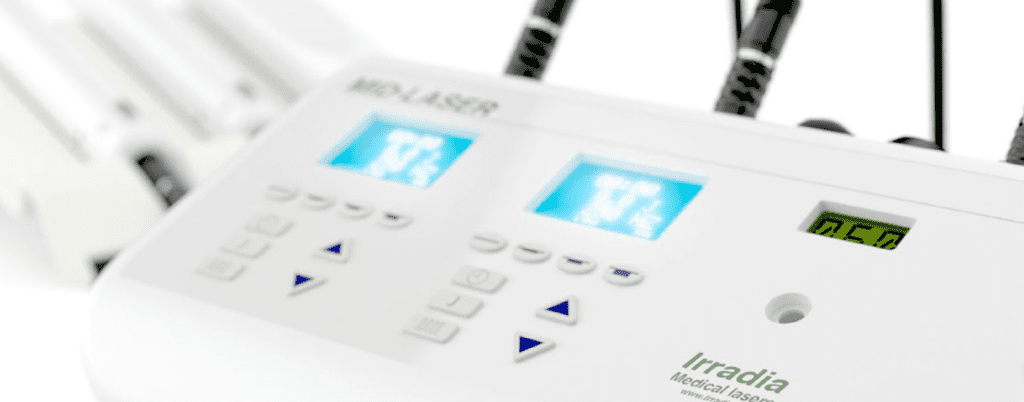
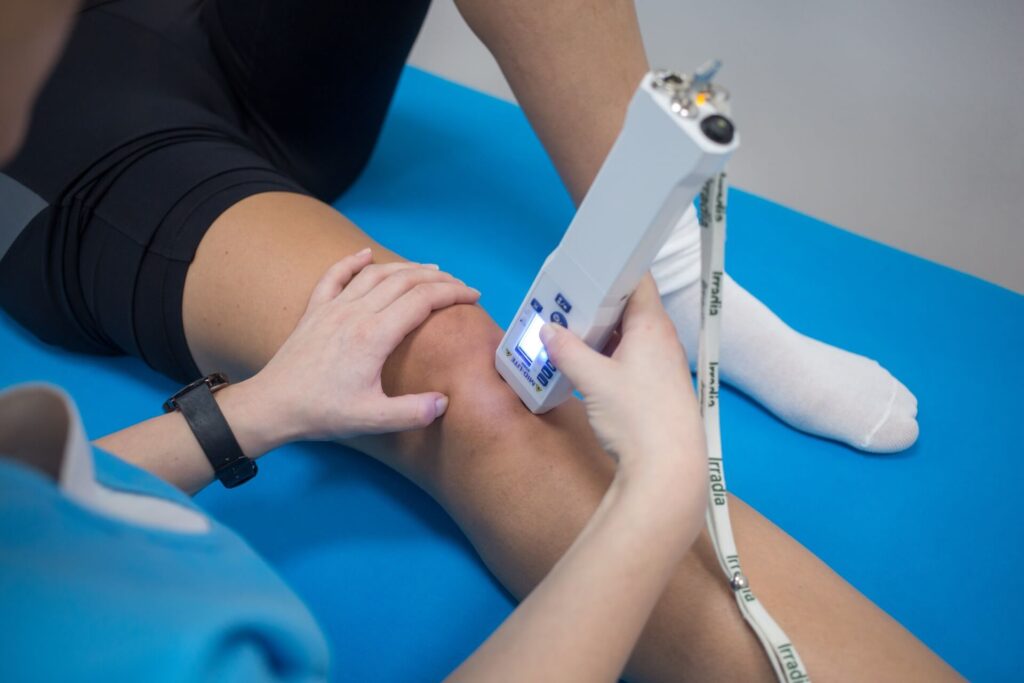
Low-Level Laser Therapy (LLLT), also known as Photobiomodulation Therapy (PBMT), is a non-invasive, drug-free treatment approach that uses red and near-infrared light to influence biological processes involved in tissue recovery and pain modulation. It works at the cellular level to support local inflammatory modulation, cellular energy processes and tissue recovery. PBMT/LLLT has evidence supporting its use in selected musculoskeletal pain and injury presentations, including some conditions affecting children.
Dr Shikha S. Parmar – GP with a Special Interest in Musculoskeletal Pain and Injury Management
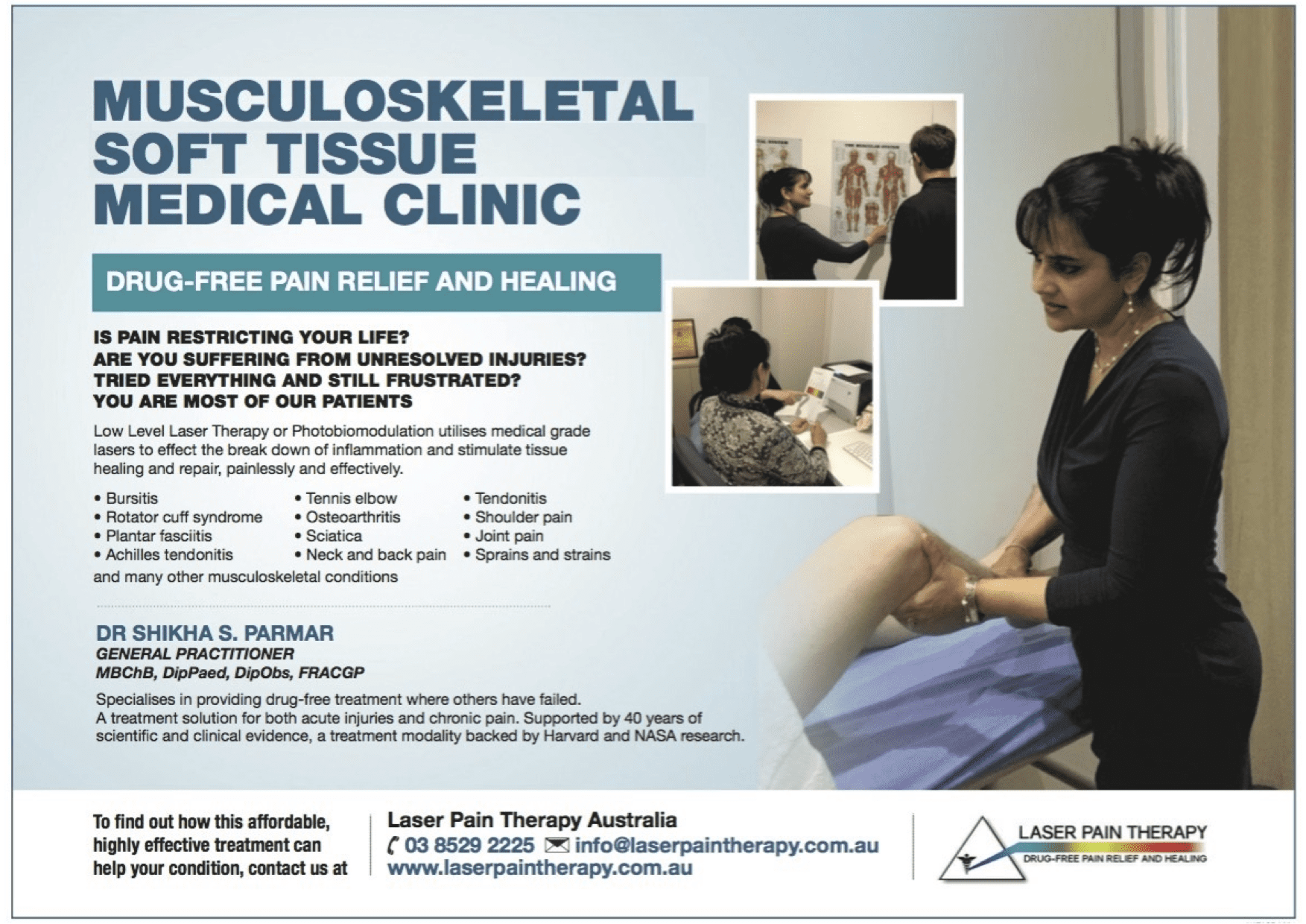
Dr Shikha Parmar is a highly experienced General Practitioner with over 30 years of clinical experience, including 14 years working in musculoskeletal (MSK) pain management. With a special interest in chronic injuries and pain, Dr Parmar uses a holistic approach, integrating treatments such as Photobiomodulation Therapy (PBMT), commonly known as Low-Level Laser Therapy (LLLT).
Her experience lies in managing both acute and chronic MSK conditions, particularly those that involve localised, non-autoimmune-related pain. Over the years, Dr Parmar has developed extensive experience in the application of LLLT, which she uses as a core part of her treatment approach for selected musculoskeletal presentations, aiming to support recovery with a non-invasive and drug-free treatment option.
In addition to her clinical practice, Dr Parmar is committed to advancing the understanding of MSK health and laser therapy in the medical field. She regularly attends and presents at international conferences, contributing her knowledge on the benefits and application of PBMT/LLLT in musculoskeletal pain management. She is dedicated to providing patients with evidence-informed care.
With a patient-centred approach, Dr Parmar works closely with each individual to design personalised treatment plans. Her goal is not just symptom management, but also supporting tissue recovery, rehabilitation and longer-term function where clinically appropriate. As the head of Laser Pain Therapy, Dr Parmar ensures that all treatments are led by her clinical expertise, supported by a dedicated team of professionals under her guidance.
Why Consider LLLT for Paediatric Musculoskeletal Conditions?
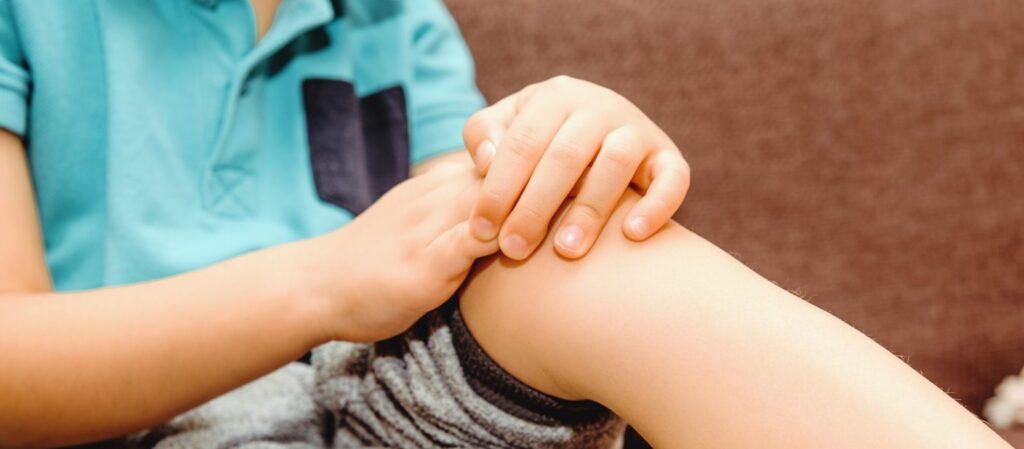
Paediatric patients, particularly adolescents experiencing rapid growth, are more vulnerable to musculoskeletal issues such as Osgood-Schlatter Syndrome, Sever’s Disease and other growth-related pain conditions. The natural growth imbalance between bones and soft tissues, particularly around growth plates, can cause pain and inflammation that significantly impacts a child’s mobility and quality of life.
Standard treatments, such as rest, ice and medications, may provide symptom relief, but are not suitable or effective for every child and may not address persistent local irritation or tissue recovery processes.
LLLT/PBMT is a non-invasive, drug-free treatment approach that can be considered for selected paediatric musculoskeletal presentations after appropriate assessment. It is used with the aim of supporting pain reduction, local inflammatory modulation, tissue recovery processes and gradual return to activity where clinically appropriate.
How LLLT Works for Paediatric Conditions
LLLT uses low-intensity light to penetrate the skin and reach affected tissues. The light energy is absorbed by cellular structures, triggering biological processes involved in tissue recovery. These include:
- Local inflammatory modulation: LLLT may help modulate the inflammatory response in tissues, which is common in musculoskeletal conditions.
- Improving blood flow: By supporting local circulation, LLLT may assist the delivery of oxygen and nutrients to the affected area.
- Cellular energy processes: LLLT can influence the production of ATP, the cellular energy involved in tissue recovery and repair processes.
- Pain modulation: LLLT may assist pain reduction and discomfort associated with conditions such as Osgood-Schlatter Syndrome and Sever’s Disease.
This non-invasive, drug-free approach may be useful for children where a gentle treatment option is preferred alongside activity modification and rehabilitation advice.
LLLT/PBMT for Children and Growth Plates
LLLT/PBMT is generally considered safe for children’s joints, including areas around growth plates, when delivered with appropriate clinical assessment, device selection and treatment parameters. Research discussed on our references page has not shown negative effects on bone development, cartilage or growth plates in the study contexts cited. Some studies have also explored its possible role in epiphyseal plate and bone healing contexts.
Studies have shown that LLLT/PBMT may support tissue repair and local inflammatory modulation in selected contexts. For example:
A review published in The Journal of Pediatrics of Korean Medicine (Nov 2015) concluded that LLLT might positively influence the growth of the epiphyseal plate, with no significant adverse effects observed. However, further randomized controlled trials are required to confirm these findings.
Another study in Lasers in Medical Science (May 2022) found that LLLT did not adversely affect bone growth in children with skeletal malocclusion.
A study published in Lasers in Medical Science (Jan 2025) showed that PBMT has a positive impact on bone regeneration and healing, without causing harm to bone structure in that study context.
These studies collectively support the safety profile of LLLT/PBMT in selected paediatric applications, indicating no negative impact on bone growth or development in the contexts studied. This supports consideration of LLLT/PBMT for selected children with musculoskeletal conditions, provided it is applied according to established guidelines and under professional supervision. Suitability still depends on the child’s diagnosis, age, growth stage, treatment area and clinical findings.
Common Paediatric Conditions Treated with LLLT/PBMT
LLLT/PBMT can be considered for selected paediatric musculoskeletal conditions, including:
Osgood-Schlatter Syndrome: A common condition in adolescents that causes knee pain due to irritation where the patellar tendon attaches to the tibial tuberosity. LLLT/PBMT may help modulate local inflammation and pain, supporting gradual return to activity where appropriate. Read more here.
Sever’s Disease: A condition that causes heel pain in growing children, often during periods of rapid growth. LLLT/PBMT may help modulate local inflammation and support tissue recovery processes in the heel. Read more here.
Tendonitis: LLLT/PBMT can be considered for selected tendon presentations in children, such as Achilles tendon irritation, where local inflammation and tendon irritation are contributing to symptoms. Read more here.
- Muscle Strains and Sprains: LLLT/PBMT may support tissue recovery processes and local inflammatory modulation in selected muscle strains or sprains.
Why Choose Laser Pain Therapy?
At Laser Pain Therapy, all LLLT treatments are GP-led by Dr Shikha Parmar, a highly experienced GP with a special interest in managing chronic musculoskeletal pain. Dr Parmar’s assessment helps ensure that treatment recommendations are tailored to the individual child’s needs and supervised appropriately.
Each treatment program is designed around the specific condition and the child’s activity level, with the aim of supporting pain reduction, improved function and gradual return to usual activities. Our LLLT treatments are delivered as part of a structured, six-week program, with review of progress and activity guidance.
What to Expect from LLLT Treatment
LLLT for paediatric musculoskeletal conditions aims to support:
- Pain reduction and local inflammatory modulation
- Tissue recovery processes where damage or irritation is present
- Improved tolerance of movement and activity in the affected area
- Rehabilitation and activity modification to support longer-term recovery
As treatment progresses, a favourable response may involve reduced pain and improvement in function, allowing children to gradually return to physical activities with improved comfort and mobility.
Non-Invasive and Supported by Research
Photobiomodulation has been studied in peer-reviewed literature across a range of pain and injury conditions. The strength of evidence varies depending on the condition, treatment parameters and clinical context. LLLT/PBMT is:
- Non-invasive and drug-free
- Generally well tolerated
- Used with the aim of supporting pain reduction, local inflammatory modulation and tissue recovery processes where irritation is present
- Delivered after GP assessment and as part of a structured treatment program
At our GP-led clinic, every patient is assessed by Dr Shikha Parmar to confirm diagnosis and rule out serious pathology. Treatment is delivered by trained assistants under direct medical supervision.
Treatment Plan
Our Low-Level Laser Therapy (LLLT) program for paediatric musculoskeletal conditions is medically supervised by Dr Shikha Parmar. The treatment plan includes:
- Up to 12 LLLT sessions, with a review after 6 sessions to assess progress
- Individualised advice for managing the condition and modifying activities
- A guided rehabilitation and recovery plan to support function and reduce the risk of recurrence where clinically appropriate
Progress is reviewed during the program. Many patients notice appreciable improvement after the first 6 treatments. If there has not been sufficient improvement by this review point, the treatment plan will be reassessed and further treatment may not be recommended.
If a favourable treatment response is seen, a further 6 treatments may be recommended, along with gradual graded rehabilitation. Ongoing treatment beyond the anticipated 12-session protocol is generally not required, as the program is designed to support the body’s own recovery processes.
Ready to Discuss Your Child’s Treatment Options?
If your child is struggling with a musculoskeletal condition such as Osgood-Schlatter Syndrome, Sever’s Disease or tendonitis, we invite you to contact our team at Laser Pain Therapy to discuss the suitability of LLLT for your child’s presentation. Assessment is required before treatment recommendations can be made.
Contact us today to arrange your consultation.
📍 Located in Melbourne
📞 (03) 8529 2225 Contact Us