Treatment of Sever’s Disease Using LLLT/PBMT
Gentle. Drug-Free. Evidence-Informed
Low Level Laser Therapy (LLLT), also known as Photobiomodulation Therapy (PBMT), uses red and near-infrared light applied over targeted areas. In our clinic it is used as part of a GP-led treatment approach for selected presentations, including Sever’s Disease, also known as calcaneal apophysitis, in growing children and adolescents.
PBMT/LLLT is non-invasive and generally well tolerated. Suitability and response vary, and treatment recommendations depend on the diagnosis, severity, duration of symptoms and individual clinical factors. PBMT/LLLT has been studied for a range of musculoskeletal pain and injury conditions, including selected paediatric musculoskeletal presentations. See our references page for supporting literature.
Key Points
- Sever’s Disease, also known as calcaneal apophysitis, is a growth-related heel pain condition affecting children and adolescents, most often between about 8 and 14 years of age.
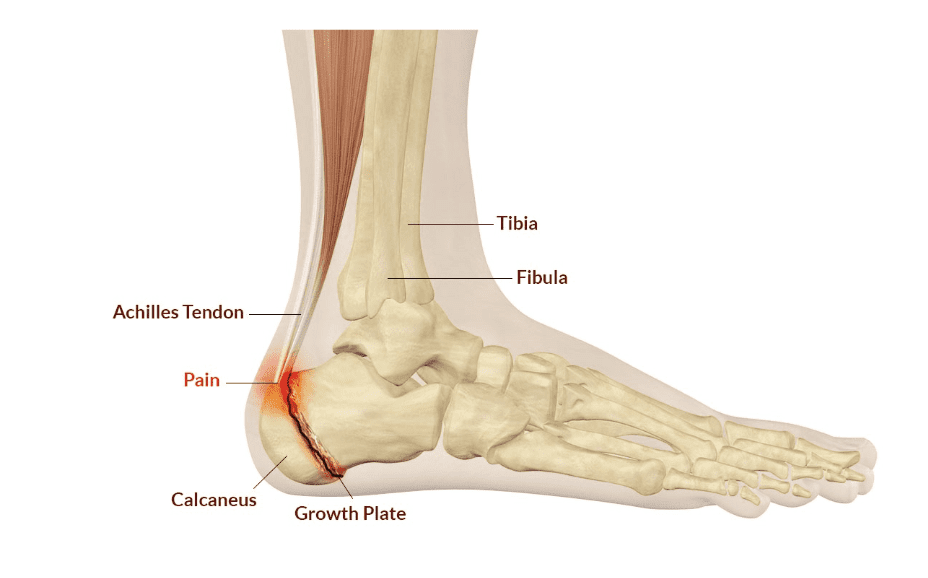
- It occurs when rapid growth creates a mismatch between the heel bone and surrounding soft tissues, leading to traction and irritation at the heel growth plate.
- Running, jumping and sport usually aggravate symptoms, but the underlying driver is the growth-related mismatch rather than a simple sports injury.
- Symptoms include heel pain, tenderness and sometimes swelling, especially during or after physical activity.
- Standard treatments may include relative rest, footwear advice, heel cushioning, ice or anti-inflammatory medication. These may ease symptoms for some children but are not suitable or effective for everyone.
- Stretching or strengthening programs are not usually the main treatment for Sever’s Disease and may aggravate symptoms during active flare-ups if they increase traction on the heel growth plate.
- LLLT/PBMT is considered for selected Sever’s Disease presentations where local inflammatory processes, pain or tendon insertion irritation are contributing to symptoms.
- Treatment is GP-led by Dr Shikha Parmar and delivered as part of a structured six-week program with individualised activity advice and review.
What is Sever’s Disease?
Sever’s Disease, also known as calcaneal apophysitis, is a growth-related condition that causes heel pain in growing children and adolescents. It is most common during periods of rapid growth and is often seen in physically active children involved in running, jumping or sport.
The condition arises from irritation of the growth plate at the heel bone (calcaneus). During growth spurts, the heel bone may grow faster than the surrounding soft tissues adapt. The Achilles tendon can then place traction on the heel growth plate, contributing to local inflammation and pain.
Sever’s Disease is usually self-limiting and typically resolves as the child’s bones mature and the soft tissues adapt. During the active phase, however, pain can significantly limit sport, walking and daily activity.
Causes of Sever’s Disease
- Rapid growth during puberty, creating a mismatch between bone growth and soft tissue adaptation
- Repetitive running, jumping or sport, which increases traction through the Achilles tendon
- Sudden increases in activity intensity or duration
- Tight or sensitive calf and Achilles structures, which can increase pull on the heel growth plate
- Hard surfaces, footwear changes or high-impact training that increase heel load
Common Symptoms of Sever’s Disease
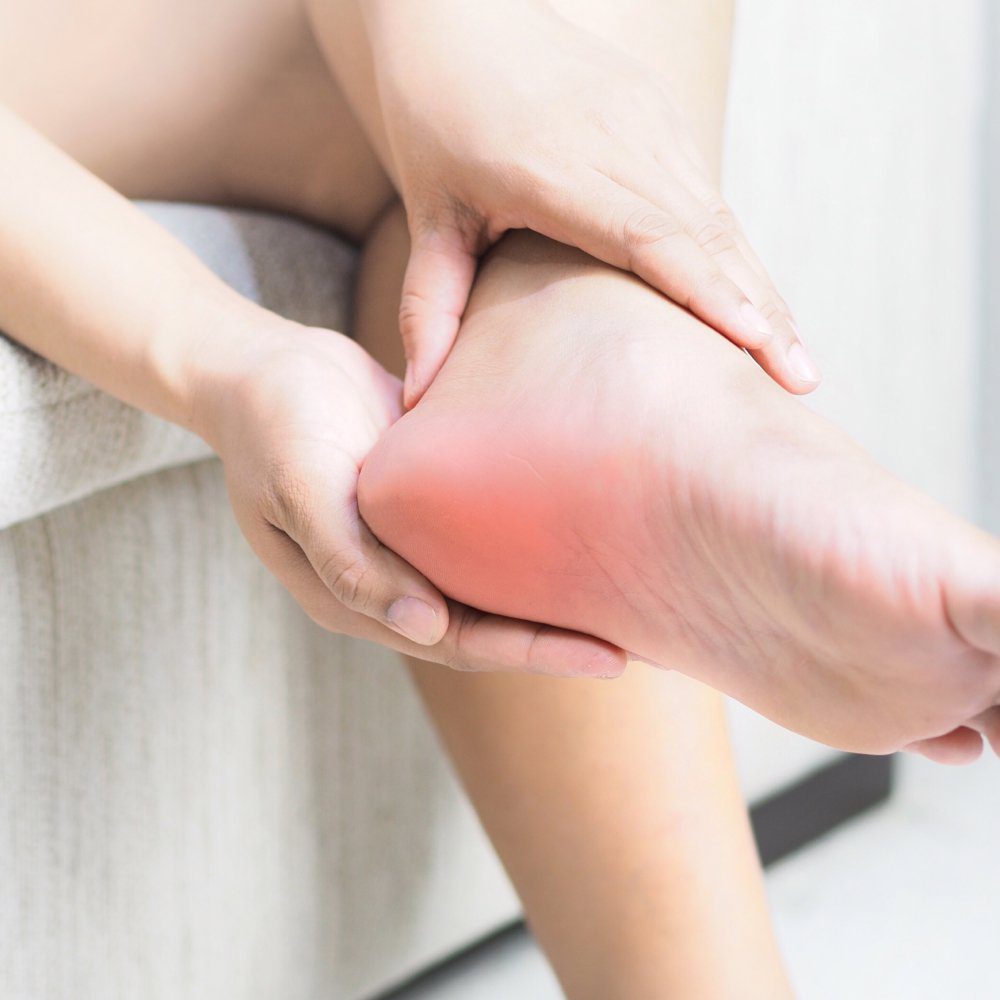
- Pain, swelling or tenderness at the back or bottom of the heel, especially after physical activity
- Pain aggravated by running, jumping, walking or sport
- Difficulty walking, running or participating in usual activities because of heel discomfort
- Tenderness to touch around the heel or Achilles tendon insertion
- Pain that improves with rest but recurs with activity
How is Sever’s Disease Diagnosed?
Diagnosis is usually made through a clinical assessment. Dr Shikha Parmar will review the child’s heel pain pattern, growth stage, activity level and symptom triggers, and will examine the heel and Achilles region for tenderness, swelling and pain with loading.
Imaging such as X-ray may be used where needed to exclude other causes of heel pain such as fracture, infection or other structural pathology. Imaging is not always required for typical presentations.
Why Sever’s Disease Can Be So Limiting
Although Sever’s Disease is usually self-limiting, the active phase can be very painful. Children may limp, avoid sport, struggle with school activities, or become frustrated because symptoms return whenever they try to run or jump.
The aim of treatment is not to force the heel to tolerate load before it is ready. Management needs to reduce irritation, guide relative rest from aggravating activity and support gradual return as pain and tenderness settle.
Sever’s Disease – Treatment Overview
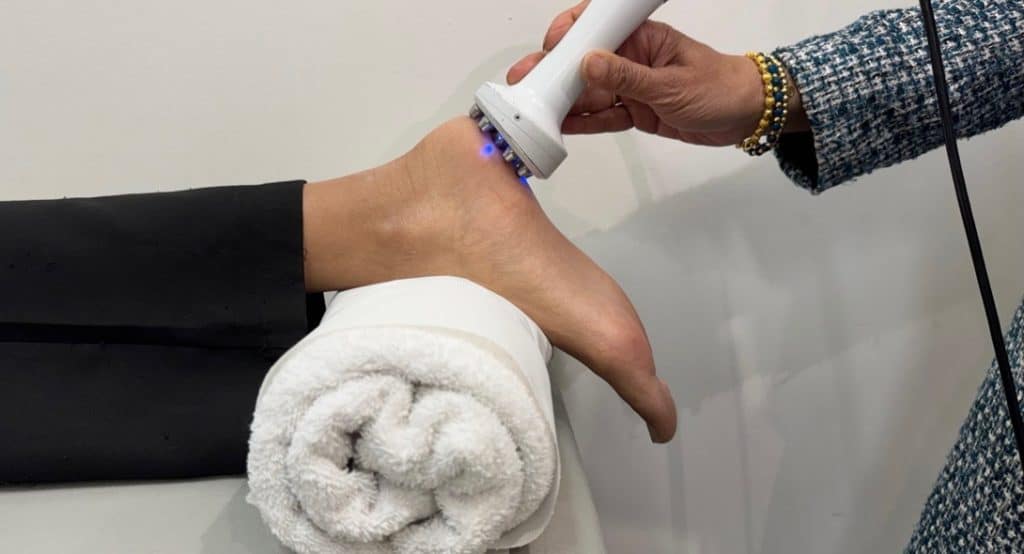
Low Level Laser Therapy (LLLT), also known as Photobiomodulation Therapy (PBMT), is considered as part of a structured program for selected Sever’s Disease presentations. It may help modulate pain and local inflammatory processes at the Achilles tendon insertion and heel growth plate without adding mechanical stress to developing calcaneal structures.
Why Consider Low-Level Laser Therapy (LLLT)?
Many children present after limited relief from relative rest, ice, anti-inflammatory medication, footwear changes or physical therapy. These standard treatments may ease symptoms temporarily, but are not suitable or effective for everyone, and stretching or strengthening may aggravate symptoms during rapid growth phases if it increases traction at the heel.
Why ice, anti-inflammatories, and other standard treatments may not support long-term recovery. Read more here.
The Role of Physical Therapy in Sever’s Disease
Sever’s Disease is a growth-related inflammatory condition rather than primarily a problem of muscle weakness or faulty biomechanics. Stretching or strengthening programs can increase strain on the inflamed heel and may worsen symptoms during active flare-ups.
Management usually focuses on relative rest from aggravating activity, symptom control, time for growth-related adaptation and careful return to sport. Where appropriate, LLLT/PBMT may be considered to help modulate pain and local inflammatory processes so that activity can be reintroduced gradually.
For this reason, treatment advice is individualised. Some children need a temporary reduction in running and jumping, footwear or heel cushioning advice, and a staged return to activity once the heel is less sensitive.
How LLLT Supports Healing
LLLT uses red and near-infrared light and may support:
- Helping modulate inflammation and oxidative stress
- Local circulation and oxygenation
- Lymphatic drainage
- Cellular energy production (ATP)
- Tendon insertion and soft tissue recovery processes where irritation is present
- Assisting pain reduction without loading or stressing the heel growth plate
LLLT/PBMT for Children and its Safety
PBMT/LLLT has been studied in paediatric and growth-related contexts, including around bone, cartilage and growth plate tissue. Available research has not shown adverse effects on bone growth in the studies cited on our references page, but suitability still depends on diagnosis, age, growth stage, treatment parameters and clinical supervision.
Read more on our dedicated PBMT for Children page here.
Non-Invasive and Supported by Research
PBMT/LLLT is non-invasive and generally well tolerated. It has been studied in a range of musculoskeletal pain and injury conditions, including some pain and nerve-related presentations. Individual responses vary, and outcomes depend on the condition being treated and the stage of recovery. Read more here.
See how LLLT may support the cellular environment involved in tissue recovery here.
Our Treatment Program
All patients are assessed by Dr Shikha Parmar (GP). Treatment is delivered within a structured six-week program, including:
- Up to 12 LLLT sessions
- Early progress review after the first 6 treatments
- Individualised advice and activity modification
- Guided rehabilitation to support longer-term function
Progress is reviewed during the program. Many patients notice appreciable improvement after the first 6 treatments. If there has not been sufficient improvement by this review point, further treatment may not be recommended.
View the full treatment protocol and expected outcomes here.
Ready to Discuss Your Child’s Sever’s Disease Treatment Options?
If your child is struggling with persistent heel pain from Sever’s Disease, we invite you to contact our team at Laser Pain Therapy to discuss the suitability of LLLT for their presentation. Treatment suitability and outcomes vary, and assessment is required before recommendations can be made.
Contact us today to arrange your consultation.
📍 Located in Melbourne
📞 (03) 8529 2225 Contact Us