
A painful shoulder when reaching for a cupboard, a hip that hurts when lying on one side, or a knee that flares after a long walk can make bursitis feel far more disruptive than its name suggests. Many people begin by relying on anti-inflammatory medicines or pain relief, but alternatives to bursitis medication may help address the irritated tissue, contributing load and movement changes that keep the problem active.
Bursitis is not always a condition that needs to be endured or repeatedly medicated. With an accurate diagnosis and a personalised plan, many people can reduce pain, restore movement and return to everyday activities with less reliance on pharmaceuticals.
Why bursitis can persist despite medication
A bursa is a small, fluid-filled sac that reduces friction between tissues, usually around a joint. Bursae are found around the shoulder, hip, knee, elbow, foot and heel. When a bursa becomes irritated or inflamed, it can cause localised tenderness, swelling, stiffness and pain with movement or pressure.
Medication can be useful in the short term. Anti-inflammatory medicines may reduce pain and inflammation, while paracetamol may make daily activities more manageable for some people. However, medication does not necessarily correct the factors that have irritated the bursa in the first place. These may include repeated pressure, a sudden rise in exercise, weak or poorly coordinated muscles, altered joint mechanics, tendon problems or arthritis.
It also has limitations. Anti-inflammatory medicines are not suitable for everyone, particularly people with kidney disease, stomach ulcers, cardiovascular conditions, certain asthma types, or those taking blood-thinning medication. Long-term or frequent use should be discussed with a GP or pharmacist. If you have been prescribed medication, do not stop or change it without medical advice.
Persistent pain deserves a careful review because not all pain labelled as bursitis is bursitis. Tendinopathy, joint arthritis, referred pain from the spine, a stress injury or a nerve condition can produce similar symptoms. In some cases, an infected bursa requires urgent medical treatment.
First-line alternatives to bursitis medication
The most effective non-drug approach depends on the affected joint, the duration of symptoms and what is driving the irritation. A plan for shoulder bursitis will not look exactly like a plan for knee or hip bursitis, but several principles apply across most cases.
Reduce the aggravating load, without becoming inactive
Relative rest means temporarily reducing the movement, activity or pressure that provokes symptoms, rather than stopping all activity indefinitely. For hip bursitis, this might involve avoiding prolonged lying on the painful side, crossing the legs, or repeatedly climbing stairs while pain is acute. For knee bursitis, kneeling may need to be limited or protected with cushioning.
Complete rest can lead to stiffness, weakness and reduced confidence in movement. The goal is to find a tolerable level of activity that does not create a significant pain flare later that day or the following morning. A clinician can help identify sensible modifications for work, sport, childcare and household tasks.
Use cold or heat strategically
A cold pack wrapped in a cloth may help settle a fresh flare, particularly after an activity that has aggravated symptoms. Apply it for short periods and avoid placing ice directly on the skin. Heat may feel more helpful where muscle guarding and stiffness are prominent, especially before gentle movement.
Neither option repairs the underlying cause on its own, but both can be useful comfort measures. The better choice is the one that provides meaningful relief without worsening symptoms.
Restore strength and movement control
Targeted exercise is often central to long-term recovery. Around the hip, this may involve strengthening the gluteal muscles and improving pelvic control. Around the shoulder, treatment may focus on shoulder blade control, rotator cuff capacity, posture and a gradual return to reaching or lifting.
Exercises should be selected according to the individual, not copied from a generic online programme. An exercise that is helpful in one stage of recovery may be too provocative in another. Mild discomfort can sometimes be acceptable during rehabilitation, but sharp pain, substantial swelling or a lasting flare are signs that the load may need adjustment.
Physiotherapy can be valuable when there is a clear need for movement assessment, hands-on guidance or progressive rehabilitation. It is particularly useful for sports injuries, repetitive strain conditions and pain that has altered the way a person walks, lifts or uses an arm.
Where photobiomodulation therapy may fit
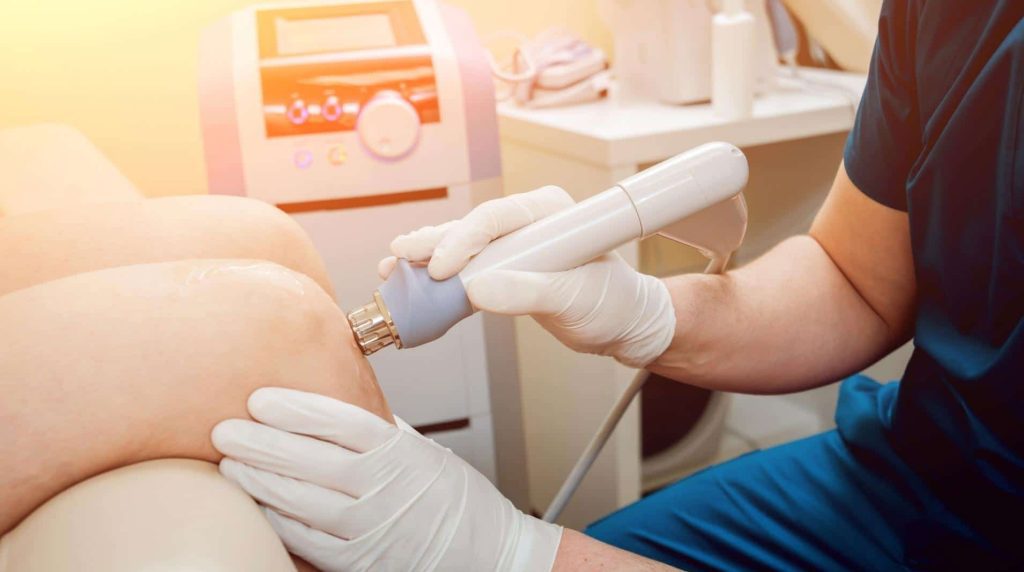
For people seeking non-invasive alternatives to bursitis medication, Photobiomodulation Therapy, also known as PBMT or Low-Level Laser Therapy, may be considered as part of a medically guided management plan. PBMT uses specific wavelengths of light to support cellular processes involved in tissue repair and inflammation regulation.
The treatment is comfortable and does not involve injections, surgery or medication. During a session, a therapeutic laser is applied to the targeted area for a prescribed period. Patients generally feel little or no sensation during treatment, and there is no recovery downtime.
Research into PBMT has identified potential benefits for pain reduction, inflammation modulation and tissue healing in a range of musculoskeletal conditions. Its value in bursitis depends on the accuracy of the diagnosis, the stage of the condition and whether contributing problems, such as tendon overload or poor movement control, are addressed at the same time. It should not be presented as a substitute for assessment or as a one-size-fits-all cure.
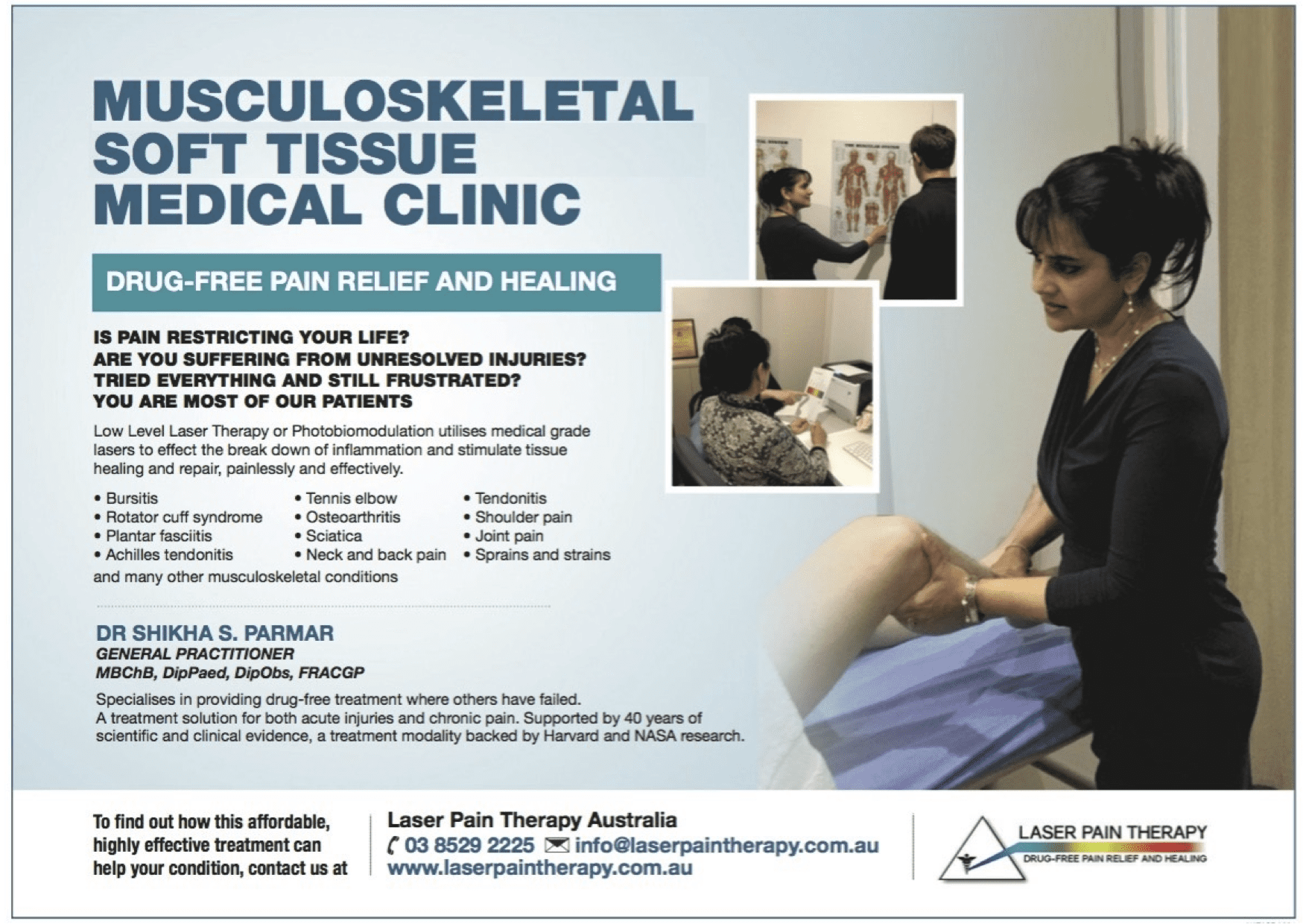
At Laser Pain Therapy, treatment is delivered within a doctor-led care model. A clinical assessment and diagnosis review help determine whether laser therapy is appropriate, which tissues require attention and whether another medical pathway is needed. This is particularly relevant for longstanding pain that has not improved with rest, medication or general treatment.
Other treatments that may be appropriate
Some cases require more than activity modification and rehabilitation. If pain is severe, persistent or limiting sleep and function, a GP may consider imaging or referral to clarify the diagnosis. Ultrasound can sometimes help assess a swollen bursa or related tendon changes, although scans must always be interpreted alongside symptoms and clinical examination.
Corticosteroid injections are sometimes used for selected cases, particularly when inflammation is pronounced and conservative management has not provided sufficient relief. They can offer short-term pain reduction, but are not appropriate for every location or every patient. Repeated injections may carry risks for surrounding tissue, including tendons, and should be considered carefully rather than treated as a routine answer to recurrent pain.
Weight management may reduce load on painful hips and knees where relevant, but it should be approached practically and without blame. Supportive footwear, workplace changes and equipment modifications can also make a meaningful difference. For example, a worker who kneels regularly may need protective pads and changes to task set-up, while a side sleeper with hip pain may benefit from a pillow between the knees and avoiding direct pressure on the sore side.
When bursitis needs prompt medical attention
Not every swollen or painful joint area is suitable for home management. Seek prompt medical assessment if the area is hot, very red, rapidly swelling, or associated with fever, chills or feeling unwell. These can be signs of infection, especially with elbow or knee bursitis. Urgent review is also appropriate after significant trauma, when you cannot bear weight or use the limb, or when pain is rapidly worsening.
A medical review is worthwhile when symptoms have continued for several weeks, repeatedly return, disturb sleep, or do not respond to sensible load modification. The aim is not simply to find stronger pain relief. It is to understand why the area remains irritated and select treatment that supports durable recovery.
Choosing a plan that matches your goals
The best alternative to medication is rarely one treatment in isolation. It is usually a combination of accurate diagnosis, temporary load modification, progressive rehabilitation and, where appropriate, non-invasive therapies that help settle pain and support healing. The balance will differ for an active person trying to return to sport, an office worker with persistent shoulder pain, or an older adult whose hip pain is affecting sleep and walking.
Bursitis can improve, but recurring symptoms are a sign to look beyond the medicine cabinet. A clinically guided plan can help you move with greater confidence while targeting the factors that are keeping pain in place.
Contact us today to arrange your consultation and take the first step towards recovery.
Located in Melbourne
(03) 8529 2225 Contact Us