
Osteoarthritis: the risks posed by anti-inflammatory medications
An Australian study published in the BMJ on 31 March 2015 provided evidence that paracetamol was no better than placebo for lower back pain and that its effect on osteoarthritis (OA) of the hip or knee was too small to be clinically worthwhile, despite being recommended at the time as a first-line drug treatment for both conditions.
In a 2017 review of cardiac arrests in approximately 29,000 patients over a 10-year period, Danish researchers found that recent NSAID use was associated with a 31% increased risk of cardiac arrest. Diclofenac and ibuprofen were associated with 50% and 31% increased risks, respectively.
Authors of another 2017 BMJ study reviewed data from 440,000 individuals and noted that cardiovascular events associated with NSAIDs are a significant concern. All NSAIDs, including naproxen, were found to be associated with an increased risk of acute myocardial infarction. This is consistent with advice in the Therapeutic Goods Administration’s Medicines Safety Update that NSAIDs should not be used in patients with cardiovascular disease and should be used with caution in people with cardiac risk factors, such as smoking, diabetes, high blood pressure, raised cholesterol, and obesity.
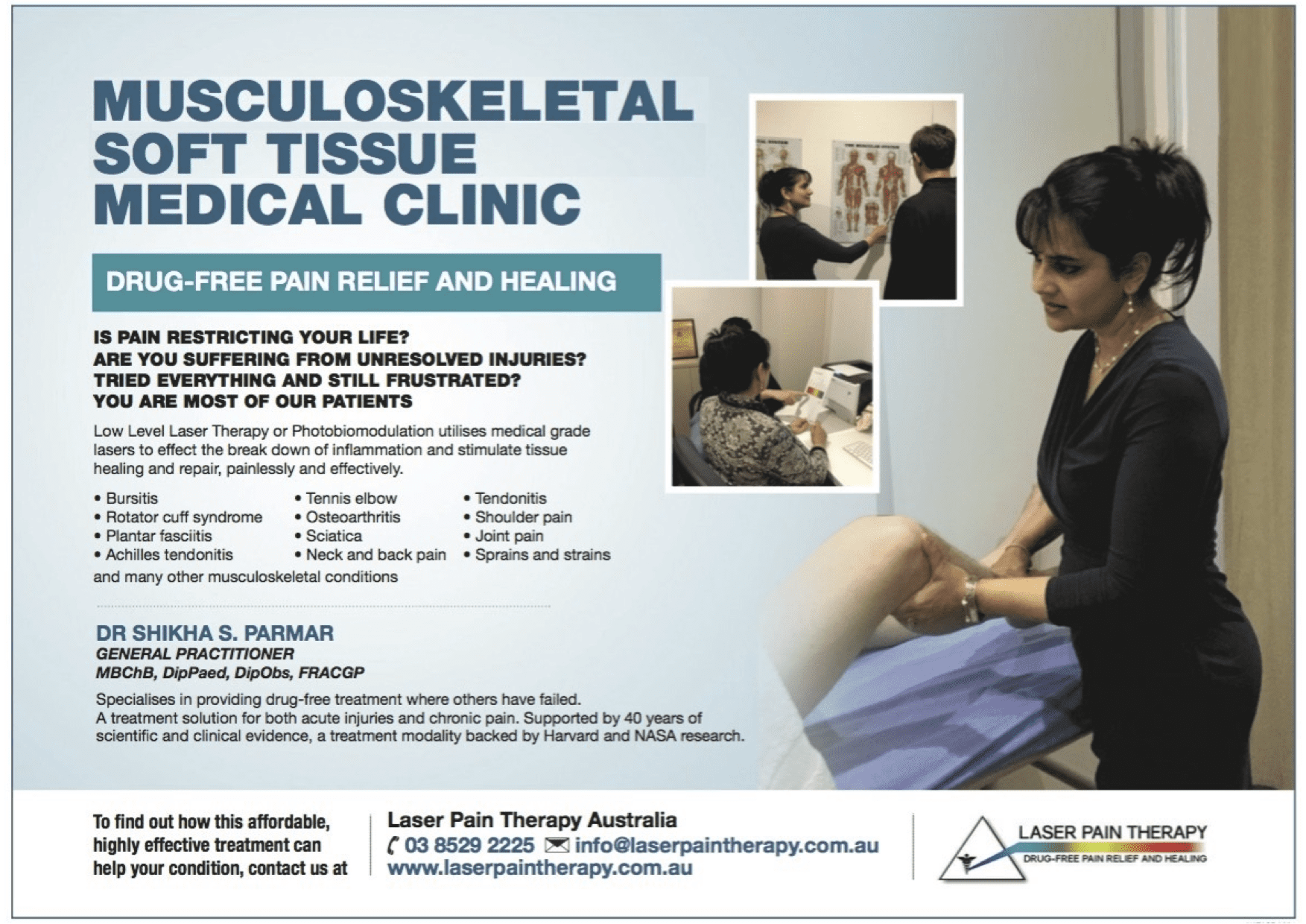
Low Level Laser Therapy (LLLT) is used with the aim of reducing pain and helping to modulate local inflammatory processes in joints affected by OA. While LLLT cannot restore worn cartilage, it can help modulate the inflammatory reaction associated with osteoarthritic joints. This inflammation contributes to pain, swelling, stiffness, and dysfunction. LLLT is used for selected OA-related pain presentations affecting the neck, low back, knees, fingers, thumbs, ankles, and feet.
At Laser Pain Therapy, we have helped patients with OA manage pain and improve function following a course of LLLT as part of a structured treatment and rehabilitation plan. In some patients, improvements are maintained after treatment. LLLT can also assist in reducing reliance on pain-relieving medication, which may be ineffective for some people or inadvisable because of systemic side effects and cardiovascular risk.
Analgesics (pain killers), such as paracetamol, ibuprofen, and other NSAIDs, provide symptomatic relief by masking pain. Pain masking may be appropriate in some pain conditions. However, NSAIDs can carry significant systemic risks for some people. In OA, LLLT can help modulate local inflammatory processes contributing to pain and may assist in reducing reliance on drug therapy and its associated risks.