
A disc flare can make ordinary movements feel risky: getting out of bed, sitting through a meeting, lifting a shopping bag or simply putting on shoes. The best options for disc pain are not about finding one quick fix. They start with identifying what is actually causing the pain, protecting nerve function, and choosing care that helps you move confidently again without unnecessary medication or invasive treatment.
The word “disc” is often used to describe any lower back or neck pain. In reality, spinal discs may be irritated, bulging, herniated or degenerated, while nearby joints, muscles, ligaments and nerves can also contribute to symptoms. A personalised plan is therefore more useful than a generic list of exercises or treatments.
When disc pain needs urgent medical assessment
Most disc-related pain improves with appropriate conservative care, but some symptoms need prompt medical attention. Seek urgent assessment if back or neck pain is accompanied by new or worsening leg or arm weakness, numbness around the groin or buttocks, loss of bladder or bowel control, fever, unexplained weight loss, a significant injury, or severe unrelenting pain.
These features may indicate significant nerve compression, infection, fracture or another condition that should not be managed at home. Rapidly progressive weakness, in particular, needs urgent review.
For pain that is not urgent but persists, recurs or limits daily function, a GP-led assessment can clarify whether the pattern is most consistent with disc irritation, nerve root pain, spinal joint pain or a separate musculoskeletal issue. This matters because the treatment priorities differ.
Best options for disc pain: begin with the right diagnosis
A good assessment considers where pain travels, what movements provoke it, how sleep and work are affected, and whether there are neurological changes such as altered reflexes, sensation or strength. Sciatica, for example, describes pain travelling into the buttock and leg due to irritation of a lumbar nerve root. It is a symptom, not a diagnosis in itself.
Scans can be valuable when there are neurological concerns, persistent disabling symptoms or when an injection or surgical opinion is being considered. However, an MRI is not always the first or most helpful step. Disc bulges and degeneration are common findings even in people without pain, especially with age. Treatment should be guided by the full clinical picture, not a scan result alone.
Stay active, but modify the aggravating load
Prolonged bed rest usually delays recovery. The spine and surrounding muscles generally respond better to gentle, regular movement within tolerable limits. Short walks, frequent position changes and a gradual return to normal activities can reduce stiffness and rebuild confidence.
That does not mean pushing through sharp, escalating or spreading nerve pain. During an acute flare, it may be sensible to temporarily reduce repeated bending, twisting, heavy lifting, long car trips and prolonged slumped sitting. The aim is not to avoid movement indefinitely, but to find a manageable starting point and build capacity from there.
A clinician or physiotherapist may prescribe targeted exercises to improve trunk control, hip mobility and tolerance for everyday tasks. The right programme depends on the person. Some people respond well to extension-based movements, while others need a different direction of movement or a stronger focus on pacing. Copying exercises from social media without an assessment can aggravate symptoms.
Use medication thoughtfully, not as the whole plan
Simple analgesia or anti-inflammatory medication may have a short-term role for some patients, particularly when pain is disrupting sleep or preventing normal movement. Yet these medicines do not repair a disc, and they are not appropriate for everyone.
Anti-inflammatory medicines can carry risks for people with kidney disease, stomach ulcers, cardiovascular conditions or certain medication interactions. Stronger pain medicines and sedating nerve medicines may also cause drowsiness, constipation, dizziness or dependence concerns. Your GP or pharmacist can advise on suitability, dose and duration.
Medication is most useful when it supports a broader recovery plan: restoring movement, improving sleep, managing inflammation and addressing the physical factors that keep pain going.
Non-invasive treatment options for disc-related pain
For many people, the most appropriate pathway is a structured period of conservative care. This may include education, graded exercise, manual treatment where clinically indicated, ergonomic changes and targeted pain management. There is no single treatment that works equally well for every type of disc-related pain.
Photobiomodulation therapy as part of a care plan
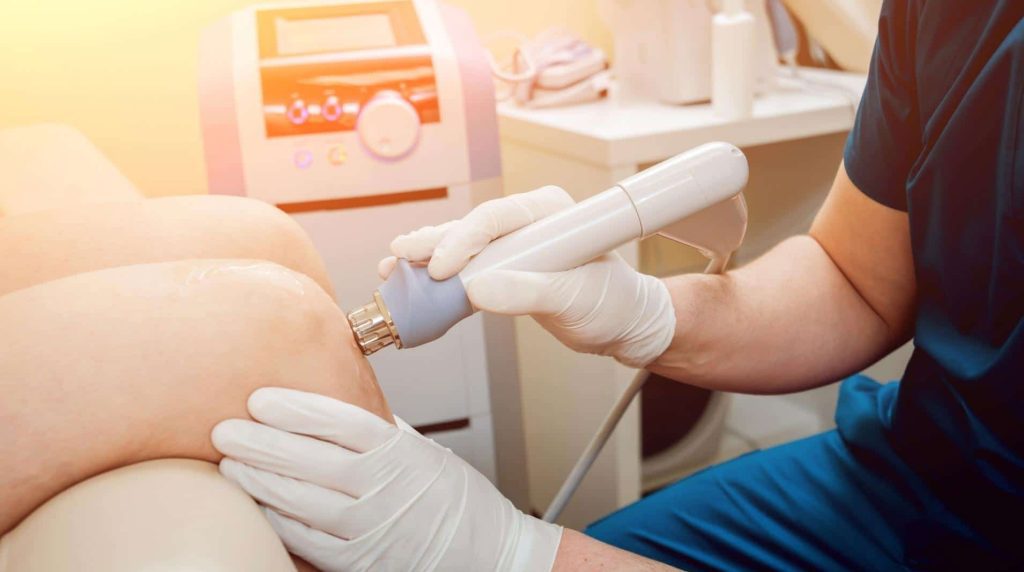
Photobiomodulation Therapy, also called Low-Level Laser Therapy or PBMT, uses specific wavelengths of light to influence cellular processes involved in inflammation, tissue repair and pain modulation. It is drug-free, non-invasive and comfortable.
For disc-related back or neck pain, PBMT is not a substitute for assessment or a guarantee that a disc bulge will disappear. It may, however, be considered as an adjunct for appropriate patients, particularly where muscle spasm, soft-tissue irritation and persistent pain are limiting rehabilitation. Research into low-level laser therapy for musculoskeletal pain, including low back pain, supports its potential to reduce pain and improve function in selected clinical settings, though results depend on the diagnosis, treatment parameters and the individual.
At a medically supervised clinic, laser treatment should sit within a personalised management plan rather than being offered as a one-size-fits-all wellness service. A review of symptoms, examination findings, imaging where relevant, medication history and treatment response helps determine whether PBMT is suitable and how progress should be measured.
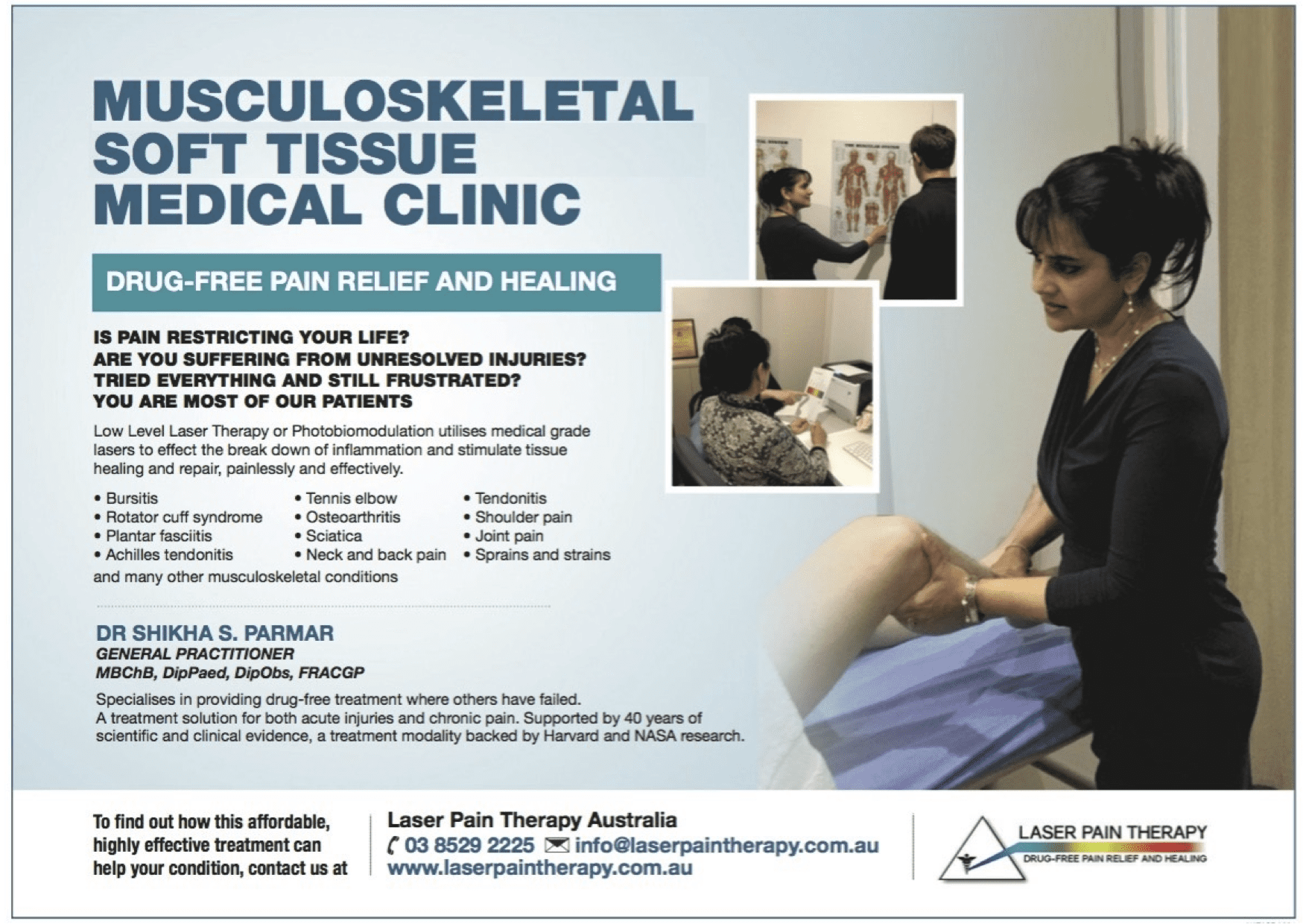
For patients seeking a non-surgical, medication-sparing option in Melbourne, Laser Pain Therapy provides doctor-led assessment and individualised PBMT plans for a range of musculoskeletal pain presentations.
Address work, sleep and everyday loading
Disc pain is rarely improved by a single appointment if the same aggravating pattern continues every day. An office worker may need to break up long sitting periods and adjust screen, chair and keyboard height. A parent lifting a child, a tradesperson handling equipment or an active person returning to training may need practical advice about load, technique and pacing.
Sleep also deserves attention. There is no universally perfect mattress or sleeping position, but the best arrangement is one that reduces night pain and allows you to change position comfortably. A pillow between the knees when side-lying, or under the knees when lying on the back, can help some people. Persistent night pain that is severe or unexplained should be medically reviewed.
When injections or surgery may be appropriate
If severe leg or arm pain from nerve root irritation continues despite well-managed conservative care, an image-guided spinal injection may be discussed. The purpose is usually to reduce inflammation around an irritated nerve and create a window for rehabilitation. Relief can be meaningful but is not always permanent, and injections carry risks that should be explained before proceeding.
Surgery is generally reserved for specific circumstances, such as significant or progressive neurological weakness, cauda equina symptoms, or persistent disabling nerve pain where imaging findings match symptoms and non-surgical treatment has not been successful. Procedures such as discectomy can be very effective for carefully selected patients, especially when a disc herniation is clearly compressing a nerve.
Surgery is not automatically the best answer for degenerative changes seen on a scan. It has recovery demands and potential complications, so the decision should follow a detailed discussion with a spinal specialist.
What recovery from disc pain can realistically look like
Recovery is often uneven. A person may have several better days, then flare after an unfamiliar task or too much activity. That does not necessarily mean new damage has occurred. It may mean the tissues and nervous system are not yet ready for that level of load.
Track function as well as pain. Being able to walk further, sit longer, sleep more comfortably, return to work duties or reduce reliance on medication are meaningful signs of progress. If symptoms are unchanged after a reasonable period of properly targeted treatment, or if they are worsening, the diagnosis and plan should be reviewed rather than simply repeating the same approach.
The most effective path is usually the one that matches the source of pain, respects current limits and steadily restores your ability to live normally. A thorough clinical assessment gives you a clearer place to start and a safer way to move forward.
Contact us today to arrange your consultation and take the first step towards recovery.
Located in Melbourne
(03) 8529 2225 Contact Us