
A stiff neck after sleeping awkwardly, a long day at a desk or an intense gym session is common. Most episodes improve with sensible activity modification and time. But when is neck pain serious? The answer depends less on the pain score alone and more on the symptoms surrounding it: how it began, whether nerves are affected, and whether there are signs of injury, infection or illness.
Neck pain should not be dismissed simply because it is familiar. The neck supports the head while protecting the spinal cord, nerve roots and major blood vessels. A careful medical assessment helps separate a straightforward muscle or joint problem from symptoms that require urgent investigation.
When Is Neck Pain Serious? Know the Red Flags
Seek urgent medical care, or call 000 in an emergency, if neck pain occurs with any of the following symptoms:
- New weakness, heaviness or loss of coordination in an arm or leg, particularly if walking becomes unsteady.
- Numbness or altered sensation affecting both arms, both legs, the face, or the area around the groin.
- Loss of bladder or bowel control, or difficulty passing urine alongside back or neck symptoms.
- Severe headache that develops suddenly, particularly with neck stiffness, confusion, fainting, a rash, visual disturbance or sensitivity to light.
- Chest pressure, shortness of breath, sweating, nausea or pain spreading to the jaw, shoulder or arm.
- Neck pain after a significant fall, sporting collision, motor vehicle accident or other trauma.
- Fever, chills, unexplained weight loss, severe night pain, or a history of cancer, immune suppression or recent serious infection.
These symptoms do not automatically indicate a dangerous condition, but they warrant prompt assessment. Waiting to see whether they settle can delay care for problems where timing matters.
Pain after an accident or impact
Neck pain following a car accident, fall from height, diving incident or forceful sporting impact should be assessed carefully, especially when pain is severe, midline tenderness is present, or the person cannot comfortably turn their head. Whiplash commonly affects muscles, ligaments and joints, but a fracture or instability must be excluded when the mechanism of injury or symptoms raise concern.
Avoid forceful stretching, massage or spinal manipulation after significant trauma until a clinician has assessed the injury. Keep the neck in a comfortable position and seek urgent care if there is tingling, weakness, severe headache or worsening pain.
Nerve symptoms need more than a pain-only approach
A compressed or irritated cervical nerve can cause pain travelling from the neck into the shoulder, arm or hand. Pins and needles, numbness and reduced grip strength may occur. This is often called cervical radiculopathy and can develop with a disc injury, joint degeneration or narrowing around a nerve.
One-sided tingling that is mild and improving may not be an emergency, but it should still be reviewed if it persists, recurs or affects daily tasks. Progressive weakness, clumsy hands, difficulty with buttons or handwriting, balance changes, or symptoms in both arms or legs require more urgent medical assessment. These can occasionally indicate pressure on the spinal cord rather than a single nerve root.
Fever, severe headache or a generally unwell feeling
Neck stiffness with fever, a severe headache, rash, confusion or drowsiness needs urgent assessment. While neck muscles can tighten during a viral illness, these combinations may signal a serious infection or another condition affecting the nervous system.
Similarly, pain that is constant, markedly worse at night, or accompanied by unexplained weight loss deserves medical review. The cause may still be musculoskeletal, but these features are not typical of a simple postural strain and should not be managed on assumptions alone.
Persistent Neck Pain Can Still Need Assessment
Not all serious neck pain starts suddenly. Pain that continues beyond one to two weeks without meaningful improvement, repeatedly returns, or limits work, sleep, driving or exercise should be assessed by a GP or qualified clinician. This is particularly relevant for people with known osteoporosis, inflammatory arthritis, a previous cancer diagnosis, long-term corticosteroid use or a recent infection.
Persistent symptoms can arise from muscular overload, facet joint irritation, disc-related pain, osteoarthritis, nerve sensitivity or poor movement patterns. These conditions are often manageable, but each responds best to a plan based on the likely pain source, overall health and functional goals.
Pain severity is only one piece of the picture. A person may have intense muscle spasm that is not dangerous, while another may experience relatively modest pain alongside progressing numbness or weakness that needs faster investigation. Changes in function and neurological symptoms carry particular weight.
Why the Pattern of Pain Matters
The location and behaviour of pain offer useful clinical clues. Local pain at the base of the neck after computer work may reflect sustained postural loading or muscle tension. Pain that travels below the elbow, changes with coughing or sneezing, or comes with altered sensation may suggest nerve involvement.
Pain high in the neck with headache can arise from cervical joints and muscles, but a new or unusually severe headache should never be assumed to be a routine neck problem. Neck pain with chest symptoms, jaw pain or breathlessness also requires urgent assessment, as some heart-related symptoms can be felt in the neck, shoulders or upper back.
It depends on the whole presentation. Age, medical history, recent trauma, infection risk, medication use and the speed at which symptoms are changing all influence the appropriate next step.
What a Medical Assessment May Involve
A thorough assessment starts with questions about the onset of pain, recent injuries, work and activity demands, sleep, headaches, neurological symptoms and relevant health conditions. The clinician will usually examine neck movement, muscle tenderness, reflexes, strength, sensation, balance and arm function.
Imaging is not necessary for every episode of neck pain. X-rays, CT scans and MRI scans can be valuable when there has been trauma, significant neurological change, suspected infection, cancer-related concerns or symptoms that do not follow an expected recovery pattern. For uncomplicated mechanical pain, early imaging can reveal age-related changes that are common and not always the cause of symptoms. Clinical findings should guide whether imaging is likely to change management.
Managing Non-Urgent Neck Pain Safely
For neck pain without red flags, complete rest is rarely the best answer. Gentle, comfortable movement and regular changes of position can reduce stiffness without overloading irritated tissues. A supportive pillow, sensible workstation adjustments and temporarily reducing aggravating activities may also help.
Heat can be soothing for muscular tightness, while a cold pack may be useful after a recent flare or minor strain. Use either with a cloth barrier and limit applications to short periods. Medication may have a role for some people, but it should be discussed with a pharmacist or doctor, especially if you have kidney disease, stomach ulcers, cardiovascular disease, are pregnant, or take blood-thinning medication.
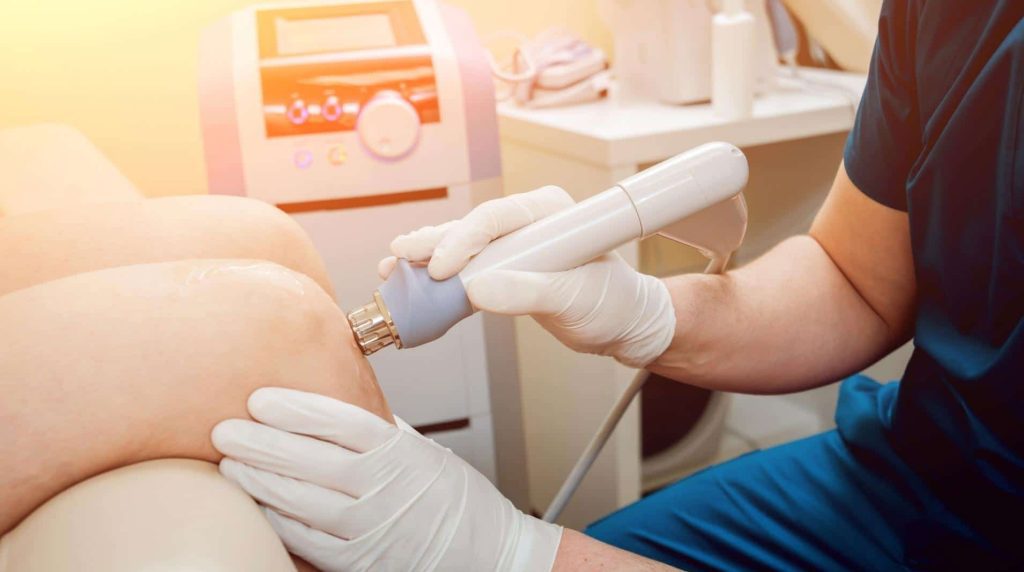
For diagnosed musculoskeletal neck conditions, treatment should address pain, inflammation, tissue recovery and movement capacity rather than simply masking symptoms. Depending on the assessment, this may include guided exercise, ergonomic changes, manual therapy or medically supervised Photobiomodulation Therapy (PBMT), also known as low-level laser therapy. PBMT is a non-invasive option used for selected soft-tissue, joint and nerve-related pain presentations, but it is not a substitute for urgent investigation when red flags are present.
When to Book a GP Appointment
Arrange a GP review if neck pain is not settling, is worsening, keeps returning, or interferes with sleep and normal activity. Book sooner if pain spreads into the arm, you develop persistent tingling or numbness, or you are concerned about loss of strength. Parents should also seek assessment for children or teenagers with neck pain after sport, a fall, or symptoms that limit normal movement.
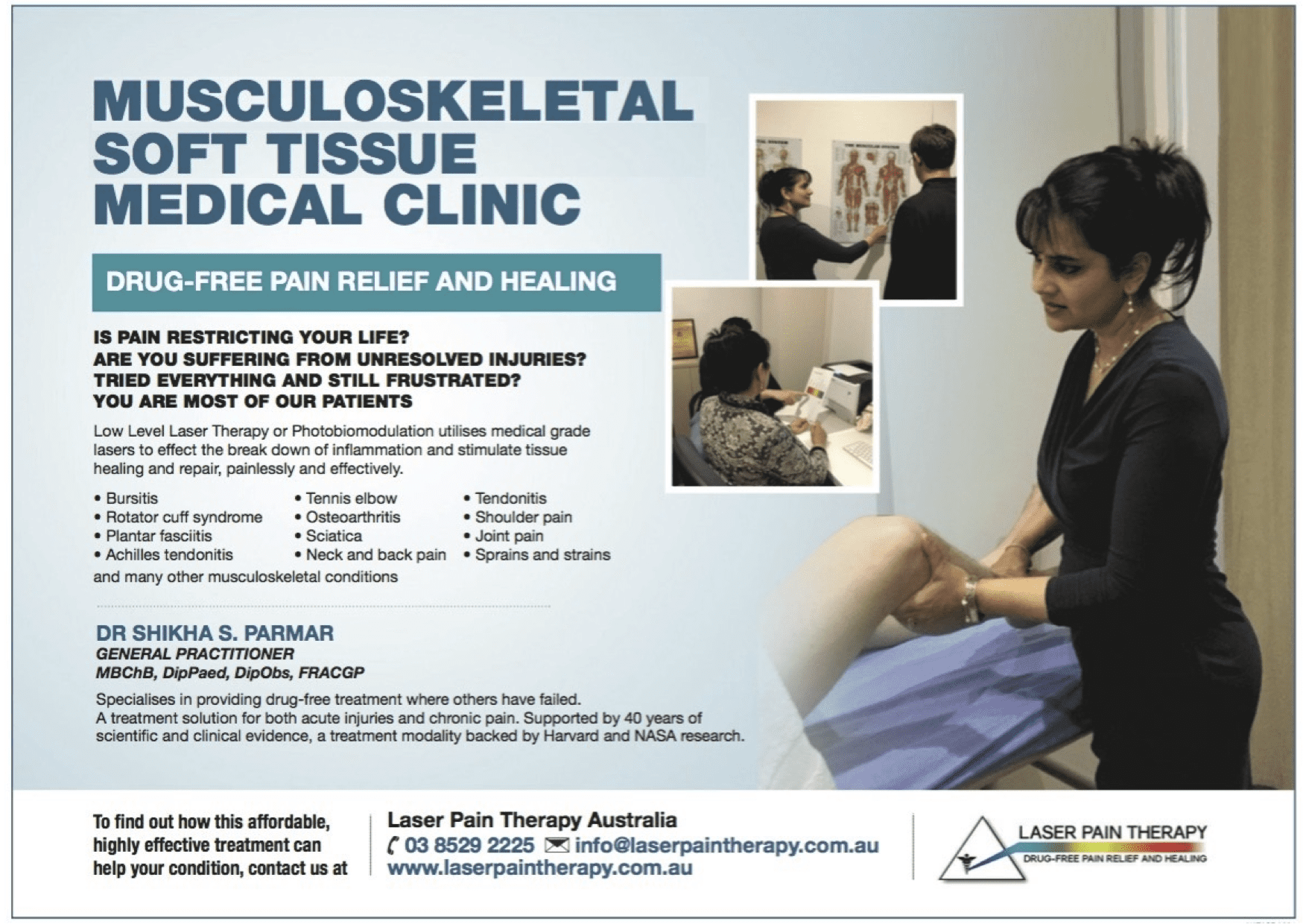
A doctor-led assessment can provide clarity before treatment begins. At Laser Pain Therapy in Melbourne, this means reviewing the diagnosis, identifying whether laser therapy is appropriate, and developing an individualised plan for safe recovery.
Your neck should not have to become unbearable before it earns attention. Prompt assessment for warning signs, and a measured treatment plan for persistent pain, can protect function and help you return to work, sleep, sport and everyday movement with greater confidence.
Contact us today to arrange your consultation and take the first step towards recovery.
Located in Melbourne
(03) 8529 2225 Contact Us