
Osteoarthritis can make ordinary movements unexpectedly difficult: getting out of a low chair, walking down stairs, opening a jar or taking the dog around the block. A good guide to osteoarthritis management starts with a clear principle: pain matters, but it does not mean you should stop moving altogether. The most effective care usually combines targeted movement, load management and clinically appropriate pain relief, tailored to the joint involved and your overall health.
Osteoarthritis is not simply ‘wear and tear’. It is a condition affecting the whole joint, including cartilage, bone, joint lining, muscles and supporting structures. Symptoms often fluctuate. A sore week does not necessarily mean the joint is rapidly deteriorating, and a scan showing arthritis does not always explain the severity of pain. This is why individual assessment matters.
Understanding what osteoarthritis needs
Osteoarthritis most commonly affects the knees, hips, hands, spine and big toe. It may cause aching pain during or after activity, stiffness after rest, reduced movement, swelling and a feeling that the joint is less reliable. Symptoms can develop gradually or become more noticeable after an injury, change in activity, weight gain or prolonged inactivity.
Age is a risk factor, but it is not the only one. Previous joint injury, repetitive occupational loading, family history, muscle weakness and altered joint alignment can all contribute. For many people, the condition exists alongside other concerns such as back pain, diabetes, heart disease or poor sleep. Management needs to account for the full picture rather than focusing only on an X-ray report.
A GP or suitably qualified clinician can assess the pattern of symptoms, examine the joint and consider whether imaging is actually needed. X-rays can be useful in some circumstances, but they are not routinely required to diagnose typical osteoarthritis. More importantly, they do not prescribe the right treatment plan on their own.
Guide to osteoarthritis management: start with movement
It can feel counterintuitive to exercise a painful joint. Yet appropriately chosen exercise is one of the most consistently recommended treatments for hip and knee osteoarthritis. Movement helps maintain strength around the joint, supports balance, improves confidence and can reduce pain sensitivity over time.
The right programme depends on the person. Someone with knee osteoarthritis may benefit from strengthening the quadriceps, gluteal and calf muscles, while a person with hand osteoarthritis may need gentle range-of-motion and grip exercises. Exercises should be challenging enough to build capacity without causing a prolonged flare.
Some discomfort during exercise can be acceptable, particularly when beginning a new programme. As a practical guide, pain should settle back towards your usual level within 24 hours. If it remains significantly worse, the exercise load may need adjusting. This does not mean abandoning activity. It may mean reducing repetitions, choosing a lower-impact option or allowing more recovery between sessions.
Walking, cycling, swimming, water exercise and supervised strength training can all be suitable. There is no single best exercise. The best option is one you can perform safely and continue consistently. A physiotherapist or clinician can help adapt movement for poor balance, significant stiffness or other medical conditions.
Pace activity rather than saving it for a good day
A common pattern is doing too much on a low-pain day, followed by several days of increased symptoms. Pacing is a more sustainable approach. Break demanding tasks into shorter periods, alternate heavier and lighter activities, and build tolerance gradually.
For example, if a 30-minute walk causes a flare, begin with two 10-minute walks and review how the joint responds. The aim is not to avoid load forever. It is to give the joint and surrounding muscles the opportunity to adapt.
Weight, sleep and daily joint loading
For people carrying extra weight, even modest weight reduction can reduce load through weight-bearing joints and improve symptoms. This should not be framed as blame. Osteoarthritis occurs in people of all body sizes, and pain itself can make activity and weight management more difficult. A realistic, supported plan involving nutrition, movement and sleep is more useful than restrictive dieting.
Sleep deserves equal attention. Poor sleep can lower pain tolerance, reduce energy for exercise and make everyday discomfort feel more overwhelming. Simple measures such as regular sleep times, comfortable pillow support and addressing stress can help. Persistent sleep disruption should be discussed with a GP, particularly if medication, mood or another health condition may be contributing.
Practical adjustments may also reduce unnecessary strain. Supportive footwear, a walking stick used on the opposite side to a painful hip or knee, a raised toilet seat, hand-friendly kitchen tools or a workstation review can make daily activity more manageable. These aids are not signs of failure. They are ways to preserve independence while rehabilitation continues.
Medicines and procedures: weighing benefits and risks
Pain medicines may have a role, but they are usually one part of care rather than the whole plan. Topical anti-inflammatory gels can be helpful for some people with knee or hand osteoarthritis and may have fewer whole-body effects than tablets. Oral anti-inflammatory medicines can provide short-term relief for selected patients, but they are not suitable for everyone, particularly those with kidney disease, stomach ulcers, cardiovascular risk or certain medication combinations.
Paracetamol may help some individuals, although its benefit for osteoarthritis is often modest. Strong opioid medicines are generally not a preferred long-term strategy because they can cause dependence, constipation, drowsiness and falls, while often providing limited sustained improvement in function. Discuss all medicines, including over-the-counter products and supplements, with your GP or pharmacist.
Injections may be considered in particular circumstances, usually when pain is limiting rehabilitation or daily function. Corticosteroid injections can offer short-term relief for some joints, but repeated injections are not a complete management plan. The expected benefit, possible risks and timing should be carefully considered with an experienced clinician.
Joint replacement surgery can be highly effective for severe hip or knee osteoarthritis when substantial pain and loss of function persist despite well-delivered non-surgical care. It is a major decision, however, with recovery time and surgical risks. Preparing with strength, mobility and weight-bearing capacity beforehand can support better recovery.
Where photobiomodulation therapy may fit
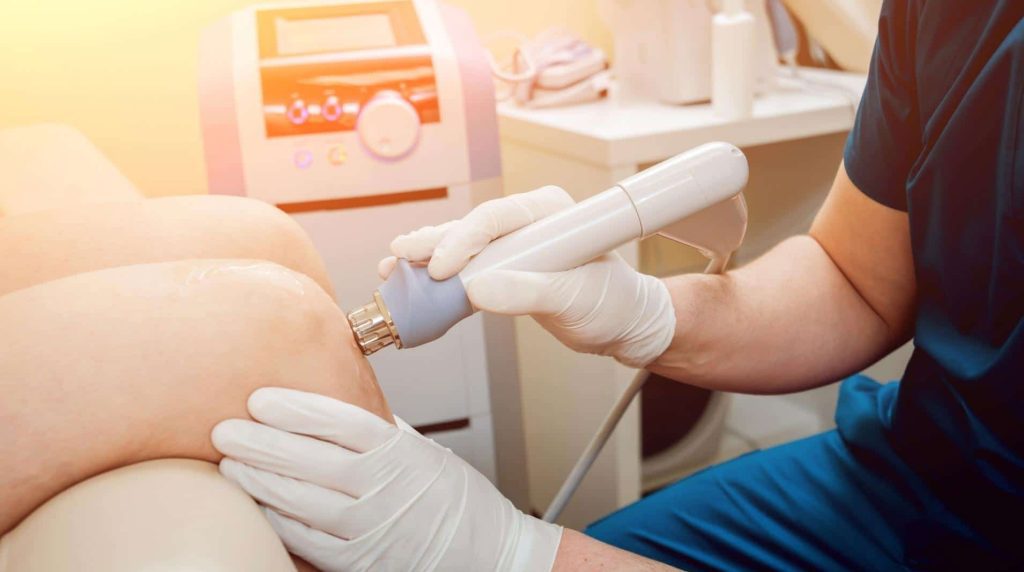
Some patients seek drug-free options when pain has persisted or when medication is unsuitable. Photobiomodulation therapy, also called low-level laser therapy, uses specific wavelengths of light to influence cellular processes associated with inflammation, pain modulation and tissue repair.
Research into laser therapy for osteoarthritis is evolving, and results depend on the joint treated, dose, treatment protocol and the quality of the device. It should not be presented as a replacement for exercise, medical assessment or surgery where surgery is indicated. However, when provided as part of an individualised plan, it may be a useful non-invasive adjunct for some people seeking pain relief and improved movement without relying solely on medication.
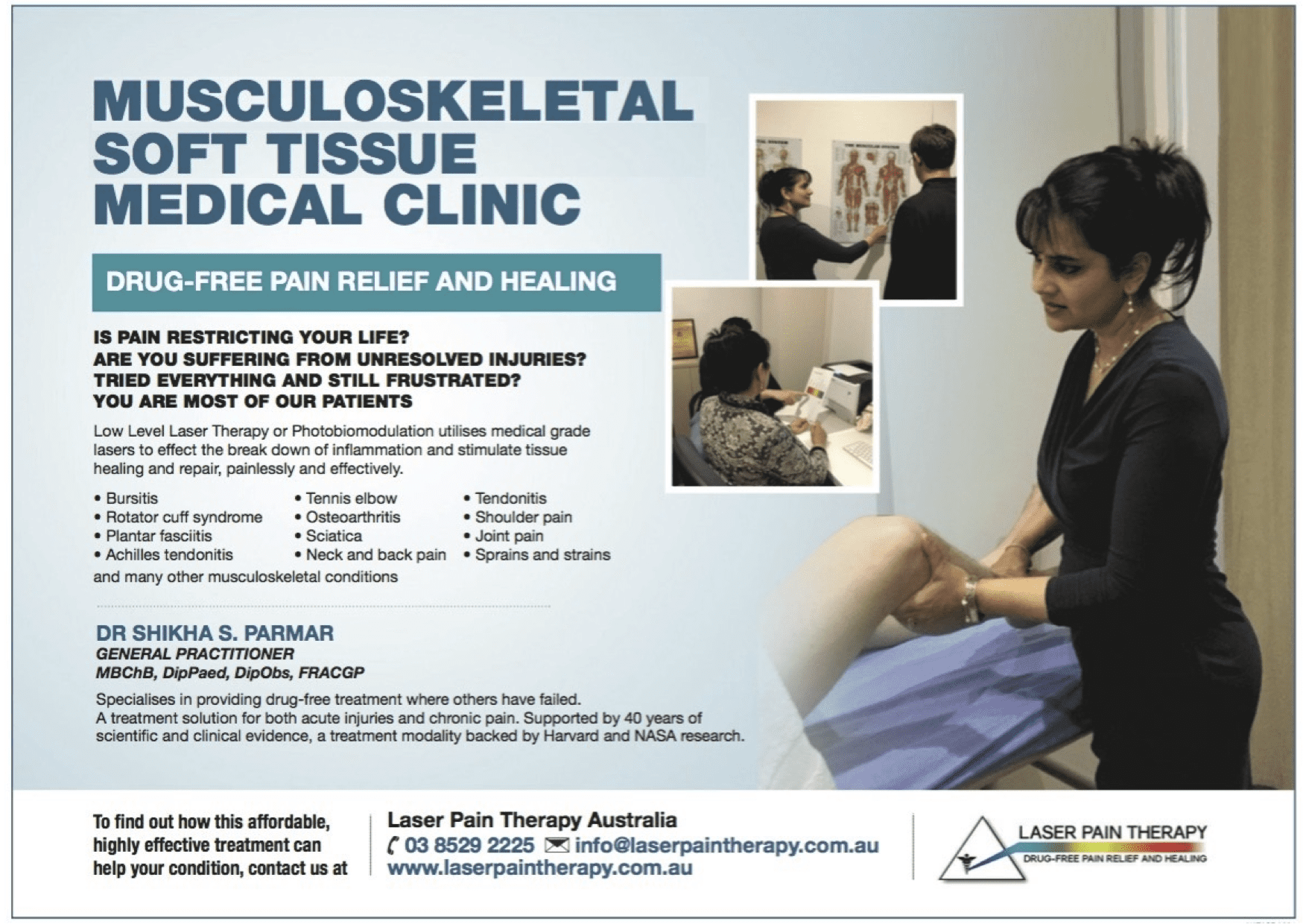
At a medically supervised clinic such as Laser Pain Therapy in Melbourne, treatment planning should begin with a review of your diagnosis, symptoms, functional goals and relevant health history. The purpose is to identify whether PBMT is appropriate and how it can complement, rather than compete with, the foundations of osteoarthritis care.
When osteoarthritis pain needs prompt review
Not every painful joint is osteoarthritis. Seek urgent medical assessment for a hot, red and markedly swollen joint, fever, sudden inability to bear weight, a significant injury, unexplained weight loss or pain that is severe at rest and worsening. These symptoms can indicate infection, fracture, inflammatory arthritis or another condition requiring different treatment.
It is also worth arranging a review when pain is steadily limiting sleep, work, walking or self-care despite your current plan. A flare may reflect an exercise load that needs adjustment, but it may also reveal another source of pain such as a tendon problem, referred spinal pain or an inflammatory condition.
Living with osteoarthritis often means making steady adjustments rather than searching for one dramatic fix. With an accurate assessment, a plan you can realistically follow and support when symptoms change, many people can remain active and protect the activities that make daily life feel like their own.
Contact us today to arrange your consultation and take the first step towards recovery.
Located in Melbourne
(03) 8529 2225 Contact Us