Pain that persists beyond the expected healing period can make any promise of relief sound appealing. But LLLT clinical evidence should be considered carefully, particularly when you are looking for a drug-free option for osteoarthritis, tendon pain, back pain, sports injury or repetitive strain. Low-Level Laser Therapy, also called Photobiomodulation Therapy (PBMT), is supported by a growing body of research, yet its value depends on the condition being treated, the dose delivered and the quality of the clinical assessment behind it.
PBMT is not a generic wellness treatment. In a medical setting, it is used as part of an individualised plan intended to reduce pain and inflammation, support tissue repair and improve function. Understanding what the evidence can – and cannot – tell you helps set realistic expectations.
What is Low-Level Laser Therapy?
Low-Level Laser Therapy uses specific wavelengths of light to influence cellular activity without heating or damaging tissue. The light energy is absorbed by components within cells, including mitochondria, which are involved in energy production. This process may support cellular repair pathways, circulation and modulation of inflammatory processes.
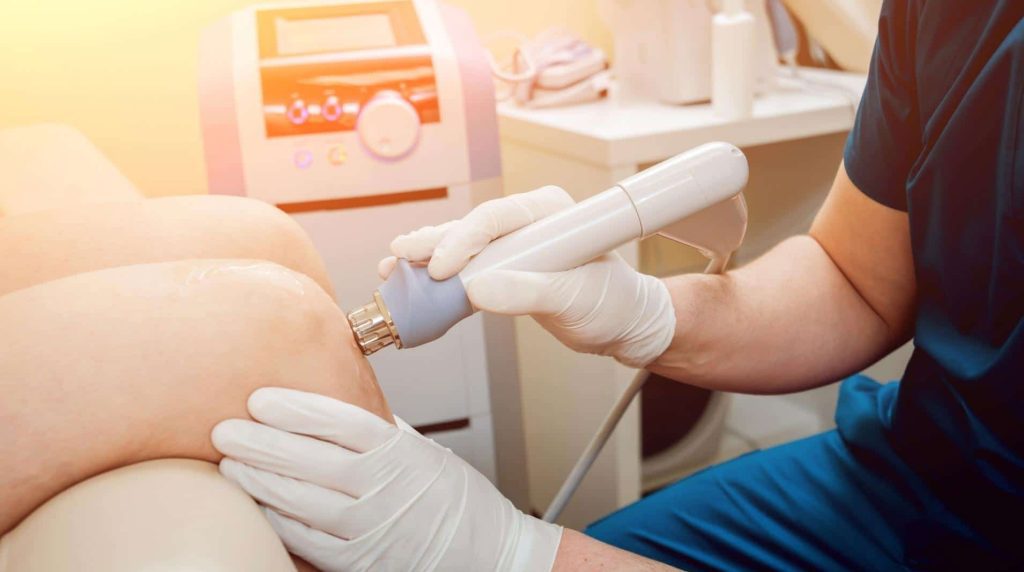
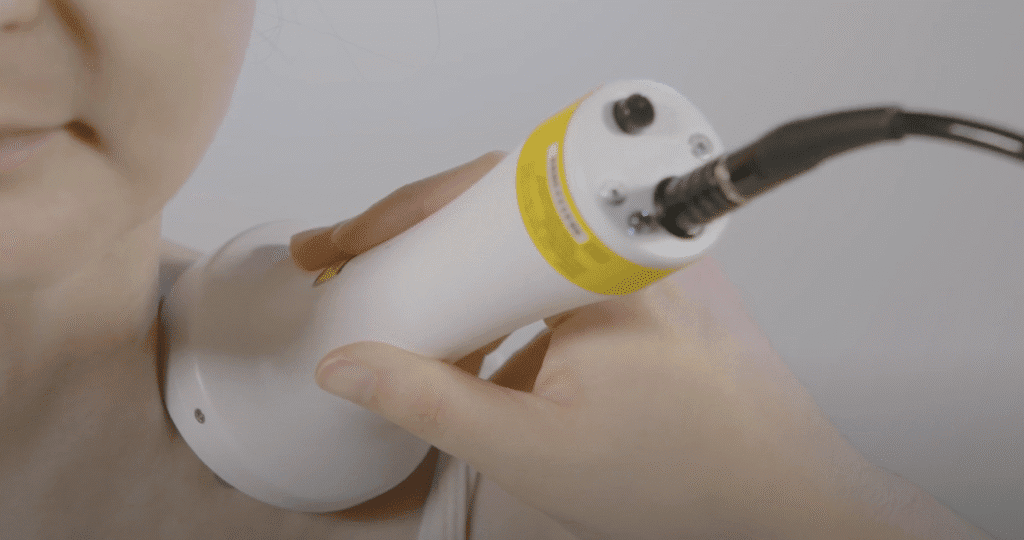
Unlike surgical lasers, PBMT does not cut, burn or ablate tissue. Treatment is comfortable and non-invasive. The laser applicator is placed over the relevant area, with the treatment parameters selected according to the diagnosis, tissue depth, stage of injury and treatment goal.
The aim is not simply to mask symptoms. For a person with a tendon injury, for example, the treatment plan may focus on calming pain and irritation while supporting recovery of the affected tissue. For someone with osteoarthritis, the emphasis may be on reducing pain, improving movement and making everyday activity more manageable.
What LLLT clinical evidence actually shows
Research into PBMT has examined a broad range of musculoskeletal conditions. Studies and systematic reviews have reported potential benefits for pain reduction and function in selected conditions, including knee osteoarthritis, neck pain, some forms of low back pain, tendinopathies and soft-tissue injuries.
That does not mean every person with these conditions will have the same response. Research outcomes vary because the studies themselves vary. They may use different laser wavelengths, energy doses, treatment schedules, outcome measures and participant groups. A treatment protocol that is appropriate for a superficial tendon is not necessarily appropriate for deep joint pain or nerve-related symptoms.
This is one reason headlines about laser therapy can be misleading. A study may show a positive result, but the practical question for a patient is more specific: does that evidence apply to my diagnosis, the severity of my condition and the treatment protocol being proposed?
Pain relief is a meaningful clinical outcome
Pain is not merely unpleasant. Ongoing pain can change movement patterns, reduce sleep, limit work and exercise, and contribute to deconditioning. Clinical studies commonly measure pain using validated rating scales, along with function measures such as walking tolerance, grip strength, range of movement or ability to complete daily tasks.
When PBMT reduces pain sufficiently to help a person move more normally, participate in rehabilitation or return to valued activities, that can be clinically meaningful. However, pain relief should be assessed alongside function. A reduction in discomfort that does not improve walking, lifting, sleeping or using the affected joint may indicate that the wider management plan needs adjustment.
Evidence is stronger when treatment parameters are appropriate
One of the most significant issues in laser research is dosage. PBMT is not a case of more energy always being better. The therapeutic effect depends on using suitable parameters, including wavelength, power, energy density, treatment time and the number of sessions.
Under-dosing may fail to deliver enough energy to the target tissue. Inappropriate delivery may also make it difficult to compare results with studies that used evidence-informed protocols. This is why a device alone is not the treatment. Clinical reasoning, diagnosis and protocol selection matter just as much.
For deeper structures such as a hip joint or lumbar tissues, the practitioner must also consider whether the chosen wavelength and treatment approach are suitable for reaching the intended area. A medically guided service should be able to explain why a particular plan is recommended, rather than offering identical sessions for every complaint.
Where PBMT may fit in pain management
PBMT may be considered for acute injuries and chronic musculoskeletal conditions affecting muscles, joints, tendons, ligaments, selected local nerve-related presentations and other soft tissue. It can be particularly relevant for people seeking to reduce reliance on pain medicines, those who have not gained sufficient relief from conventional approaches, or people who need a non-surgical option while their condition is being assessed or managed.
For example, a person with tennis elbow may benefit from a plan that addresses tendon pain and load tolerance. Someone with knee osteoarthritis may need symptom relief that makes strengthening and regular movement more achievable. An office worker with persistent neck and shoulder pain may require assessment of posture, repetitive loading, muscular factors and possible nerve involvement alongside laser treatment.
PBMT does not replace every other form of care. Some people benefit most when it is combined with appropriate movement advice, rehabilitation, activity modification or medical management. Others may need imaging, medication, injection therapy, surgery or referral to another health professional. The right approach depends on the cause of pain, not only its location.
Why diagnosis comes before treatment
Two people can have pain in the same part of the body for entirely different reasons. Shoulder pain may arise from a rotator cuff tendon, a joint problem, referred neck pain, bursitis or a nerve-related condition. Treating the painful area without clarifying the likely source can lead to poor outcomes and delayed care.
A proper assessment reviews the history of the problem, previous investigations and treatments, current symptoms, function and relevant medical conditions. It should also identify warning signs that require urgent or different medical care, such as significant trauma, unexplained weight loss, fever, progressive weakness, new bladder or bowel symptoms, or severe unremitting pain.
At Laser Pain Therapy, this doctor-led approach helps determine whether PBMT is appropriate and how it should be used. It also provides a basis for monitoring progress rather than continuing treatment without a clear clinical rationale.
Safety, tolerability and realistic expectations
When delivered appropriately, PBMT is well tolerated and does not involve needles, surgery or systemic medication effects. Protective eyewear is used during treatment, and the clinician should review relevant precautions before commencing care. Suitability may need additional consideration in particular circumstances, including treatment over a known or suspected malignancy, pregnancy-related treatment areas, photosensitivity or certain medical conditions.
A course of treatment is often recommended because tissue recovery and changes in persistent pain do not always occur after one session. Some patients notice improvement early, while others experience a more gradual change in pain, mobility or tolerance for activity. Chronic conditions, longstanding degeneration and complex pain presentations may require a longer-term management plan and may not resolve completely.
The most useful measure is not whether treatment feels impressive on the day. It is whether you are progressively able to do more with less pain: walk further, sleep better, work more comfortably, return to exercise or manage daily tasks with greater confidence.
Questions worth asking about laser treatment
Before proceeding, ask what diagnosis is being treated, what outcome is being targeted and how progress will be measured. It is also reasonable to ask whether the proposed protocol is suited to your condition, how many sessions may be required and what alternatives should be considered if improvement is limited.
Be cautious of services that promise a cure for every painful condition or offer laser treatment without a meaningful assessment. Clinical evidence supports thoughtful use of PBMT, not one-size-fits-all claims. Clear communication about expected benefits, limitations and costs is part of safe, patient-centred care.
If ongoing pain is limiting your life, the next useful step is a clinical assessment that looks beyond the symptom itself. A well-chosen PBMT plan may provide a comfortable, evidence-informed path towards better movement and less dependence on medication, while keeping the focus where it belongs: your function, recovery and long-term health.
Contact us today to arrange your consultation and take the first step towards recovery.
Located in Melbourne
(03) 8529 2225 Contact Us