
A sore shoulder that has stopped you sleeping, knee pain that makes stairs difficult, or back pain that returns every time you sit at a desk needs more than a generic answer. Doctor-led laser therapy versus physiotherapy is rarely an either-or decision. The right starting point depends on the likely source of pain, how long it has been present, how it affects daily function, and whether previous treatment has helped.
Both approaches can play a valuable role in recovery. Physiotherapy is often centred on movement, strength and rehabilitation. At Laser Pain Therapy, GP-led care takes a medical view of persistent or complex musculoskeletal pain, including diagnosis review, inflammation, tissue injury, local nerve involvement and non-drug treatment options. Understanding the difference can help you seek care that matches the problem in front of you.
Doctor-led laser therapy versus physiotherapy: the key difference
Physiotherapists are highly skilled in assessing movement and prescribing exercises to restore strength, flexibility, balance and confidence. They commonly treat sports injuries, post-operative rehabilitation, workplace strain and musculoskeletal conditions where graded activity is central to recovery. Hands-on therapy, education and tailored home programs may also form part of care.
Doctor-led laser therapy begins with assessing the musculoskeletal problem and whether PBMT is clinically appropriate, particularly when pain is persistent, recurrent or not responding as expected. The clinician considers the history of the injury or condition, previous scans or reports, medication use, functional limitations and potential drivers of ongoing pain. The aim is not simply to make an exercise program more manageable. It is to identify an evidence-informed pathway for reducing pain and supporting tissue healing.
The distinction matters when symptoms have become more complicated than a straightforward strain. For example, pain may be linked with osteoarthritis, tendon degeneration, inflammation, nerve irritation, a long-standing injury or a condition that has not improved despite rest and rehabilitation. These situations may benefit from a doctor-led review before, alongside or after physiotherapy.
When physiotherapy may be the best first step
Physiotherapy is often appropriate when you have a clear injury pattern and can participate in active rehabilitation. An ankle sprain, a gradual return to sport after a muscle injury, reduced strength following surgery or recurrent neck stiffness related to posture may respond well to a structured program.
The long-term value of physiotherapy is that it can address physical capacity. Stronger muscles, improved joint control and more confidence with movement can reduce the chance of repeated injury. For many people, this is an essential part of returning to work, exercise, parenting or recreational activity.
However, exercise-based treatment is not always comfortable or practical at the beginning. If pain is too intense to tolerate loading, sleep is disrupted, or flare-ups occur after even modest activity, progress can stall. This does not mean physiotherapy has failed or that movement is harmful. It may mean pain and inflammation need to be addressed more directly so rehabilitation is achievable.
When doctor-led laser therapy may be more suitable
Doctor-led laser therapy may be a useful option when musculoskeletal pain has lasted longer than expected, keeps returning, or has not improved with standard care. It can also be appropriate for people wanting a non-surgical, drug-free approach when regular pain medicines are ineffective, poorly tolerated or simply not preferred.
Medical assessment is particularly valuable when the diagnosis is uncertain. Hip pain can be felt in the lower back. Shoulder pain may involve the neck or nerves. Tendon pain can coexist with joint degeneration. A careful review helps avoid treating the wrong structure or relying on a one-size-fits-all plan.
Seek timely medical assessment if pain is severe after trauma, you cannot bear weight or use a limb, there is marked swelling or deformity, or you develop numbness, weakness, fever, unexplained weight loss, bowel or bladder changes, or pain that is worsening rapidly. These symptoms may require urgent investigation rather than routine rehabilitation.
For chronic pain, the clinical objective is often to improve both symptoms and function. That may include reducing inflammation, supporting tissue repair, improving mobility and helping a person gradually return to activities they have been avoiding. A good pain management plan should set realistic expectations. Chronic pain rarely has a single universal solution, and recovery may require several complementary strategies.
Where laser therapy fits into pain management
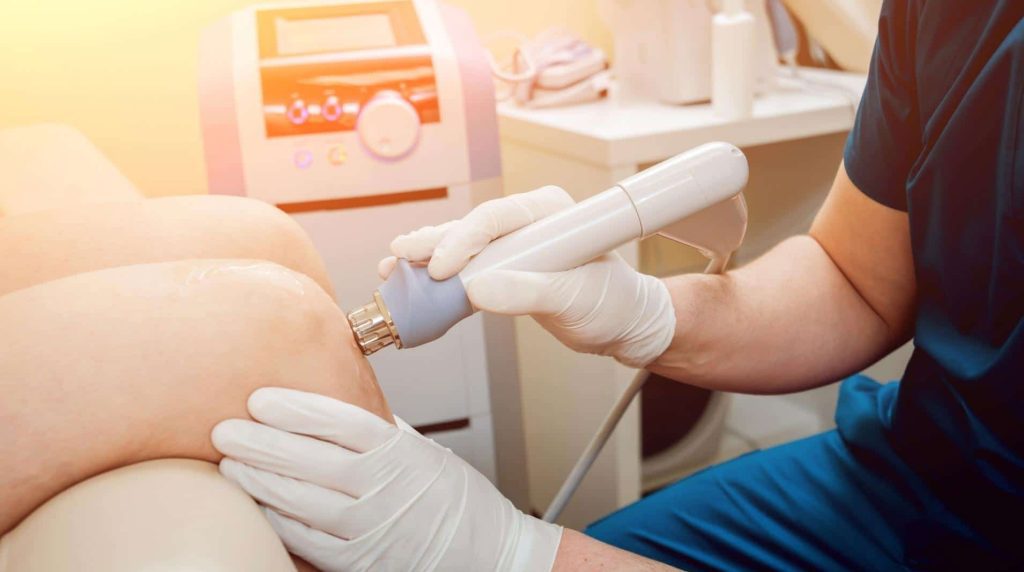
Photobiomodulation Therapy, also known as PBMT or Low-Level Laser Therapy, is a non-invasive treatment used for a range of musculoskeletal pain and injury presentations. It delivers specific wavelengths of light to targeted tissue. This process is designed to support cellular activity associated with tissue repair, modulate inflammation and reduce pain, without injections, surgery or medication.
For a person with an irritated tendon, osteoarthritis-related joint pain, muscle injury or persistent soft-tissue pain, PBMT may help reduce the symptoms that limit movement and daily life. Treatment is comfortable and does not require downtime. It can be suitable for adults, seniors and, where clinically appropriate, children and young people with injuries.
PBMT is not a replacement for every form of rehabilitation. A torn ligament, significant loss of strength or poor movement control may still require a carefully progressed exercise plan. Equally, exercise alone may not adequately address persistent inflammation or pain that is preventing participation. Combining appropriate pain treatment with rehabilitation can be more useful than viewing either option as a competing alternative.
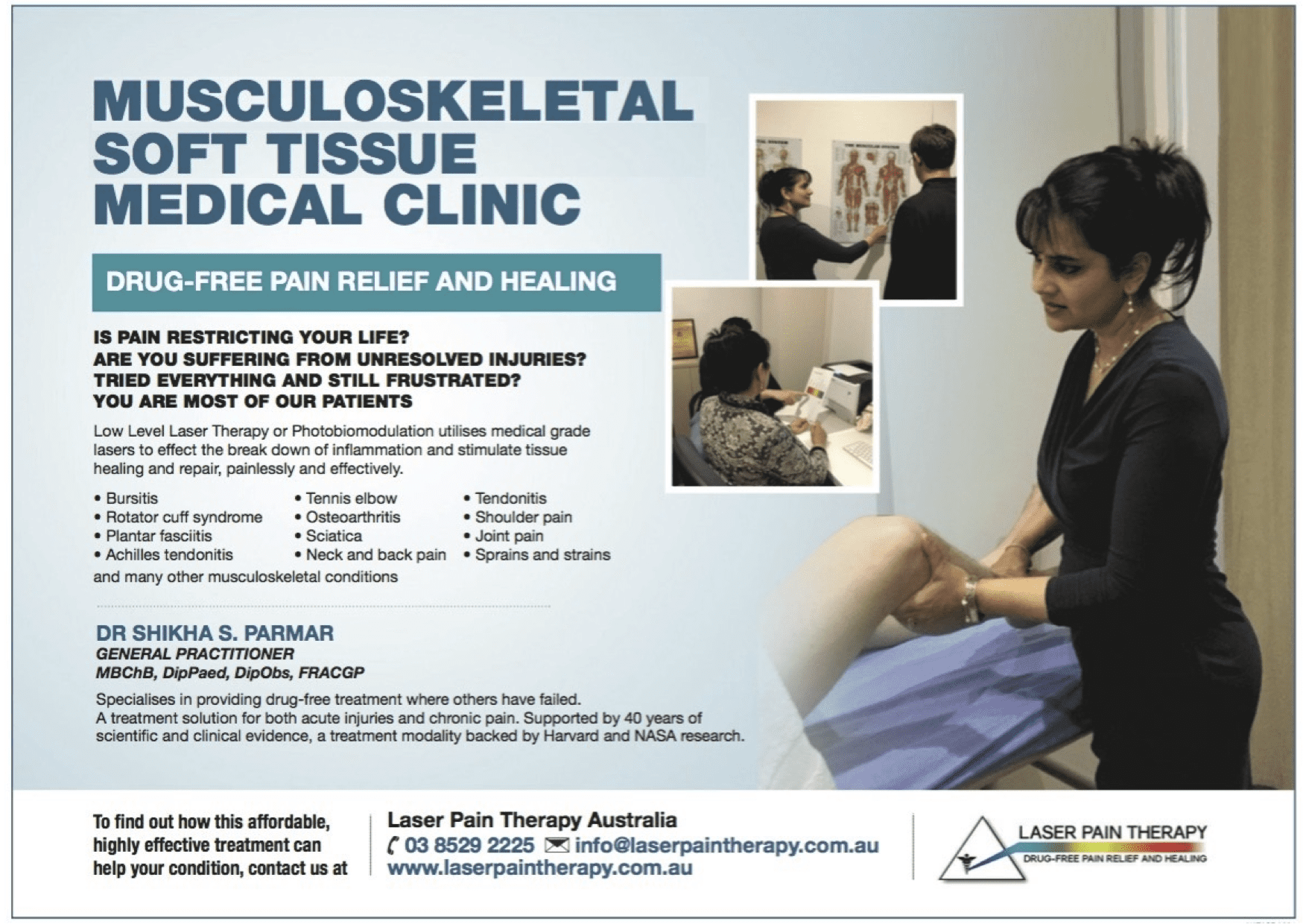
At Laser Pain Therapy, treatment planning begins with a GP-led consultation and diagnosis review, followed by personalised laser therapy where appropriate. This medical approach is intended to distinguish clinically guided PBMT from generic wellness treatments, while keeping the focus on meaningful outcomes such as sleeping better, walking further and returning to normal activities with less reliance on medication.
Questions to ask before choosing care
The provider matters as much as the treatment label. Ask what assessment will be performed, what the likely diagnosis is, why a treatment is recommended and how progress will be measured. You should also understand the expected number of appointments, costs, possible limitations and what happens if your symptoms do not improve.
For physiotherapy, ask how the program will be adjusted if pain flares and whether the exercises are suited to your current tolerance. For doctor-led laser therapy, ask whether your existing imaging, specialist reports and medication history will be reviewed, and how PBMT will be integrated into your overall management plan.
It is reasonable to ask whether care can be coordinated. Your GP, physiotherapist and other treating clinicians do not need to work in isolation. A person recovering from knee osteoarthritis, for instance, may benefit from pain reduction strategies that make walking comfortable enough to rebuild leg strength. Someone with a sports injury may use physiotherapy as the main treatment while seeking additional pain support during an acute flare. knee osteoarthritis
Choosing based on your current barrier
A practical way to decide is to identify what is stopping recovery right now. If the main barrier is weakness, stiffness, poor balance or uncertainty about returning to movement, physiotherapy may be the most direct answer. If the barrier is persistent musculoskeletal pain, recurrent inflammation, sensitivity around an old injury, poor sleep or limited tolerance for exercise, a doctor-led assessment at Laser Pain Therapy may be the better starting point.
For many patients, the answer changes over time. Early treatment may focus on calming pain and protecting injured tissue. Later care may shift towards restoring strength, movement and resilience. There is no prize for enduring pain until it becomes harder to treat, and no reason to abandon rehabilitation when targeted pain relief could help you participate in it.
The most helpful care plan is the one that takes your symptoms seriously, explains the reasoning clearly and gives you a realistic route back to the activities that matter to you.
Contact us today to arrange your consultation and take the first step towards recovery.
Located in Melbourne
(03) 8529 2225 Contact Us