
Stiffness can make a simple morning task feel disproportionately difficult. Turning a tap, standing from a chair or taking the first few steps after sitting may be painful, slow and frustrating. The best approaches to arthritis stiffness do not rely on one quick fix. They combine the right diagnosis, regular joint-friendly movement, practical symptom relief and medical guidance that addresses the reason the joint is becoming stiff.
For many people, stiffness is a sign that a joint needs support, not complete rest. The safest plan depends on whether you have osteoarthritis, inflammatory arthritis such as rheumatoid arthritis, an old injury, or another source of joint pain. This distinction matters because treatment that is appropriate for wear-and-tear joint changes may not be enough when inflammation is active throughout the body.
At Laser Pain Therapy, we treat osteoarthritis-related musculoskeletal pain. We do not use laser therapy to treat rheumatoid arthritis or other systemic inflammatory arthritides, because these conditions are driven by a broader immune-mediated disease process rather than a localised musculoskeletal problem. Patients with suspected or confirmed inflammatory arthritis require appropriate medical and rheumatology management.
Best approaches to arthritis stiffness: start with the cause
Arthritis is a broad term, rather than a single condition. Osteoarthritis commonly affects weight-bearing and heavily used joints, including knees, hips, hands and the spine. Stiffness may be worse after inactivity and ease gradually as the joint warms up. Inflammatory arthritis can cause prolonged morning stiffness, swelling, warmth and fatigue, and needs timely medical assessment to help protect the joints.
A clinical review can clarify whether stiffness is coming from the joint itself, surrounding muscles and tendons, nerve irritation, or a combination of factors. It may include a review of your symptoms, medical history, current medicines, function and any imaging or blood tests already completed. A personalised plan is more useful than treating every stiff joint in the same way.
Seek prompt medical care if a joint becomes suddenly hot, red, severely swollen or very painful, particularly with fever or feeling unwell. New weakness, unexplained weight loss, a recent significant injury, or pain that wakes you consistently at night also warrants assessment. These symptoms should not be managed with home measures alone.
Use movement to reduce the effects of inactivity
When a joint is stiff, avoiding movement is understandable. Yet prolonged inactivity can reduce muscle strength, limit joint range and make everyday movement harder. Gentle, regular activity helps maintain mobility and supports the muscles that stabilise the joint.
The right type and amount of movement depends on the joint involved and your current symptoms. For knee or hip arthritis, walking, cycling, water exercise and tailored strengthening can be useful. For hand arthritis, controlled finger, wrist and grip exercises may help preserve dexterity. The goal is not to push through sharp pain. It is to move often enough that the joints do not spend long periods fixed in one position.
A practical starting point is to change position at least every 30 to 60 minutes during the day. After sitting at a desk, try a short walk around the room, gentle knee bends while holding a stable surface, shoulder rolls, or slow hand opening and closing. Small, repeatable movements are often more sustainable than an ambitious exercise routine that aggravates symptoms.
A physiotherapist or suitably qualified exercise professional can tailor strengthening and mobility work around painful joints. This is particularly valuable after a flare, surgery, injury or a long period of reduced activity. Mild muscular aching after new exercise can be normal; marked swelling, sharp pain or symptoms that remain substantially worse the following day suggest the programme needs adjusting.
Apply heat or cold for the symptom in front of you
Heat can be helpful for the familiar feeling of tightness, particularly first thing in the morning or before planned activity. A warm shower, heat pack or warm bath may relax muscles around the joint and make movement more comfortable. Use a protective layer between the heat source and skin, and avoid falling asleep with an electric heat pack in place.
Cold may be better when a joint feels hot, swollen or irritated after activity. A wrapped cold pack used briefly can reduce discomfort for some people. Neither heat nor cold repairs joint cartilage or treats the underlying cause of arthritis, but both can make it easier to complete the movement that supports function.
If you have reduced sensation, circulation problems, diabetes-related neuropathy or fragile skin, ask a clinician how to use heat and cold safely. Skin should never become painful, numb or excessively red.
Build daily habits that protect the joints
Arthritis management is often most effective when it is built into ordinary routines. Supportive footwear, sensible pacing and an ergonomically arranged workstation can reduce repeated strain. If gripping jars, gardening tools or kitchen utensils is difficult, larger handles and assistive devices can reduce force through sore hand joints.
Weight management can also reduce load through the knees, hips and feet for people carrying excess weight. This is not about blaming body weight for pain. Arthritis is influenced by age, injury history, genetics, inflammation and many other factors. Even modest, sustainable changes can improve comfort and mobility for some people, especially when combined with strengthening.
Sleep deserves attention too. Pain and poor sleep can reinforce each other, leaving the nervous system more sensitive to discomfort the next day. A regular sleep routine, comfortable positioning and appropriate pain management advice can make a meaningful difference to how stiff the body feels in the morning.
Review medicines with your doctor or pharmacist
Medication can have a place in arthritis care, but it should be selected according to your diagnosis, health history and other medicines. Simple analgesics, anti-inflammatory medicines, topical treatments and disease-modifying medicines all have different roles. For inflammatory arthritis, disease-modifying treatment prescribed by a rheumatologist can be essential for controlling the disease process, rather than only masking symptoms.
Anti-inflammatory medicines are not suitable for everyone. They can affect the stomach, kidneys, blood pressure and cardiovascular risk, and may interact with other treatments. Do not assume an over-the-counter product is harmless because it is readily available. A GP or pharmacist can help you weigh likely benefit against risk.
If you are relying increasingly on pain medication, or it is no longer allowing you to stay active, that is a useful reason to reassess the broader plan. Ongoing stiffness may need a different rehabilitation approach, further investigation or another non-invasive treatment option.
Consider medically supervised photobiomodulation therapy
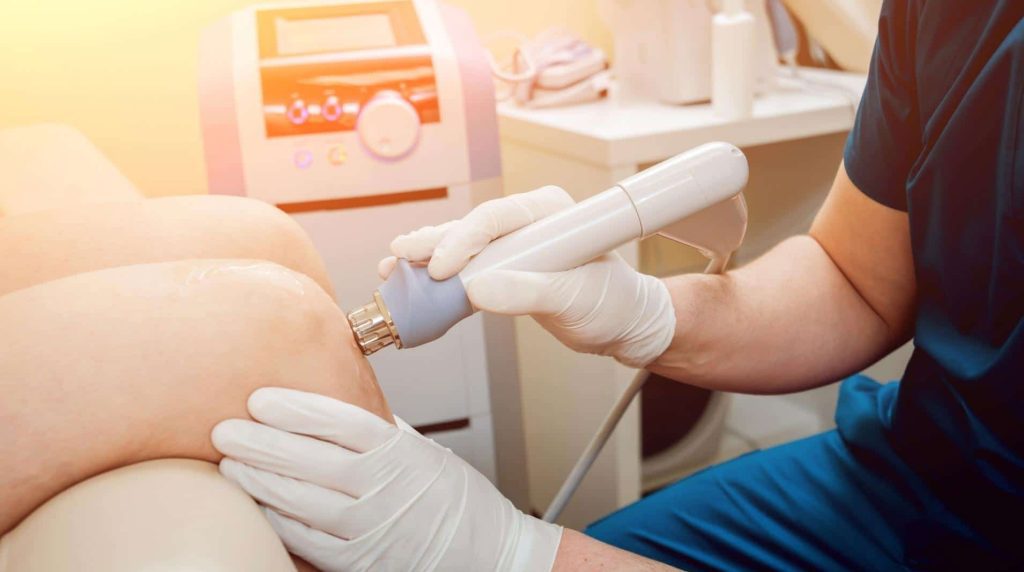
Photobiomodulation therapy, also called low-level laser therapy or PBMT, uses specific wavelengths of light to influence cellular processes involved in inflammation, pain and tissue repair. It is non-invasive, drug-free and comfortable. For some people with musculoskeletal joint pain and stiffness, it may be considered as part of a broader management plan.
PBMT is not a replacement for diagnosis, appropriate exercise, or rheumatology care when inflammatory arthritis is suspected. Its value depends on the condition being treated, the joint involved, the stage of symptoms and the treatment protocol. A medically supervised assessment helps determine whether laser therapy is appropriate and ensures it is integrated with other care rather than used as a stand-alone promise of a cure.
At Laser Pain Therapy, care is guided by a doctor-led assessment and an individual treatment plan. This is particularly relevant for patients who want to reduce dependence on medication, have persistent musculoskeletal symptoms or have not achieved adequate improvement with conventional approaches alone.
Know when stiffness needs a new plan
Arthritis symptoms can change over time. If morning stiffness lasts longer, swelling becomes more frequent, walking distance declines or daily tasks are becoming harder, do not simply accept this as inevitable ageing. A review can identify whether your activity plan needs modifying, whether inflammation is active, or whether another issue is contributing to pain and restricted movement.
The most effective plan is usually the one you can follow consistently: gentle movement that fits your body, sensible strategies for flares, medical treatment when needed and regular reassessment of function. Stiffness may not disappear completely, but with the right support, many people can move more comfortably and stay engaged in the activities that matter to them.
Contact us today to arrange your consultation and take the first step towards recovery.
Located in Melbourne
(03) 8529 2225 Contact Us