
Pain that stops you sleeping, working, exercising or simply moving comfortably can make medication feel like the only practical answer. Yet opioid free pain management offers another path: identifying the driver of pain, supporting tissue recovery where possible, and restoring function with treatments chosen for your condition rather than a one-size-fits-all prescription.
For many people with musculoskeletal pain, the goal is not to tolerate symptoms between doses of medicine. It is to move with greater confidence, return to daily activities and reduce the factors that keep pain going. That requires a careful clinical assessment, realistic expectations and a treatment plan that addresses both pain relief and recovery.
Why opioid-free pain care matters
Opioids can have a legitimate role in carefully selected cases of severe acute pain, post-operative pain and cancer-related pain. They are powerful medicines, and decisions about them should be made with a qualified clinician. However, they are generally not a preferred long-term solution for many chronic musculoskeletal conditions, such as osteoarthritis, persistent back pain, tendon injuries and repetitive strain problems.
This is not because chronic pain is less real or less deserving of treatment. It is because long-term opioid use can bring significant trade-offs, including drowsiness, constipation, nausea, reduced concentration, tolerance, dependence and a risk of overdose. For older adults, sedation and balance changes can also increase the risk of falls. For parents considering pain treatment for a child or teenager with a sporting injury, medication safety is understandably a major concern.
An opioid-free approach does not mean being told to “just live with it”. It means considering treatments that can reduce pain without relying on opioid medicines, while investigating why symptoms have persisted. The best plan depends on the diagnosis, the severity and duration of symptoms, other health conditions, current medicines and your functional goals.
Opioid-free pain management starts with the cause
Pain is a symptom, not a diagnosis. A sore shoulder may arise from rotator cuff tendinopathy, joint arthritis, bursitis, referred neck pain or a combination of factors. Lower back pain may involve muscle strain, disc-related irritation, facet joint changes, nerve sensitivity or reduced conditioning after months of guarding movement.
That distinction matters. Treating every painful area in the same way can delay recovery. A clinically guided assessment reviews the location and behaviour of pain, previous imaging or specialist reports where relevant, movement restrictions, neurological symptoms and the impact on everyday function.
It also identifies situations that need urgent medical attention. New weakness, altered bladder or bowel control, unexplained weight loss, fever, major trauma, rapidly worsening pain or numbness in the saddle area should be medically assessed promptly. Persistent pain deserves proper care, but not every painful condition is suitable for the same non-invasive treatment.
Pain relief and healing are related, but different
Reducing pain can make it easier to move, sleep and participate in rehabilitation. That is valuable. But relief alone is not always the same as recovery. If an irritated tendon is repeatedly overloaded, or an arthritic knee has led to months of reduced activity and muscle weakness, a lasting result often requires more than short-term symptom suppression.
A well-designed plan may combine targeted treatment with appropriate activity modification, gradual return to loading, mobility work or referral to other health professionals when required. The purpose is not to promise an instant cure. It is to give the body the best practical conditions for recovery and function.
Where photobiomodulation therapy may fit
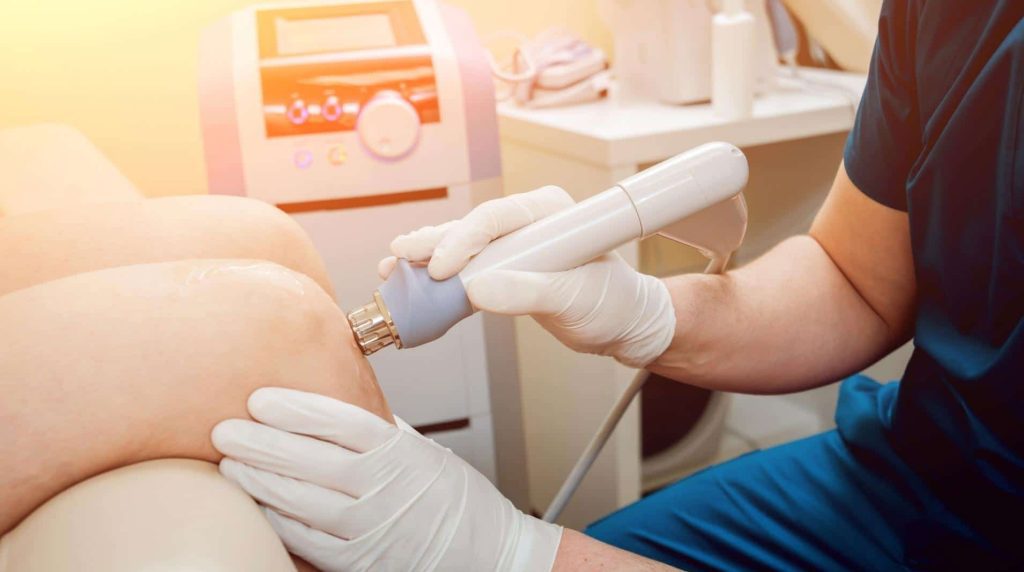
Photobiomodulation Therapy, also known as PBMT or Low-Level Laser Therapy, is a non-invasive treatment that uses specific wavelengths of light to influence cellular processes involved in inflammation, circulation and tissue repair. It is not a heat treatment, injection or surgical procedure. Sessions are comfortable, and there is no recovery time associated with treatment itself.
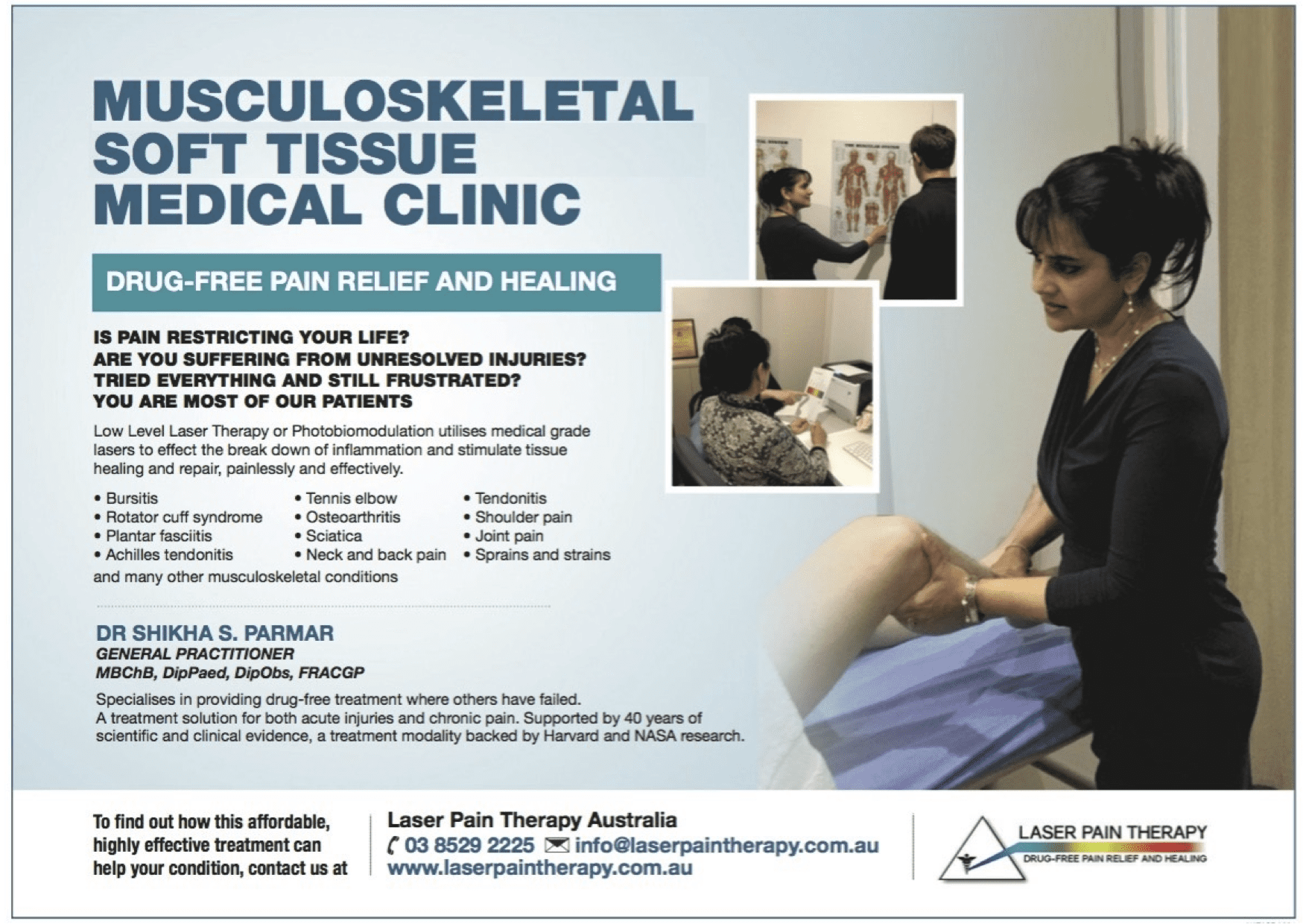
PBMT is used in clinical pain management for a range of musculoskeletal conditions affecting muscles, joints, tendons, ligaments, selected nerve-related musculoskeletal presentations and soft tissue. Depending on the clinical presentation, this may include osteoarthritis-related joint pain, neck and back pain, shoulder conditions, tennis elbow, plantar fasciitis, Achilles tendinopathy, sprains and sports or overuse injuries.
Research into PBMT has grown across rehabilitation and pain care, including work associated with major research institutions. Outcomes vary, however, because the condition being treated, wavelength, dose, treatment technique and treatment schedule all matter. A laser device used without an appropriate assessment or treatment protocol is not equivalent to medically supervised therapy.
At Laser Pain Therapy, PBMT is delivered as part of an individualised, doctor-led management plan. The clinical focus is on whether the therapy is appropriate for your diagnosis, what improvement is realistic and how progress will be reviewed over time. This is particularly relevant for people who have tried generic treatments without a clear plan for ongoing care.
What a course of treatment can involve
A consultation should begin with a review of your symptoms, medical history, prior treatments and any relevant reports. From there, the clinician can determine whether laser therapy is suitable, whether another assessment is needed first, and which areas require treatment.
Treatment frequency varies. Recent injuries may respond differently from long-standing pain, and chronic conditions often require a series of sessions rather than a single appointment. Improvement may be noticed as reduced pain, easier movement, better tolerance for activity or improved sleep. Some people respond quickly; others progress gradually as inflammation settles and movement becomes easier.
Your plan should also account for aggravating factors. For an office worker with neck pain, that might include workstation habits and sustained posture. For an active person with an Achilles injury, it may mean modifying running load while keeping up safe conditioning. For someone with knee osteoarthritis, strengthening and pacing may be as important as managing flare-ups.
Common non-opioid options in a complete plan
Opioid-free care is not limited to one therapy. Depending on the cause of pain and your health history, a clinician may discuss a combination of approaches. These can include PBMT, targeted exercise or physiotherapy, load management, heat or cold where appropriate, sleep support, weight management where clinically relevant, and non-opioid medicines when they are safe and indicated.
Anti-inflammatory medicines and simple analgesics may still have a place for some people, but they are not risk-free. Anti-inflammatories can be unsuitable for patients with certain kidney, stomach, heart or blood pressure conditions, or for those taking particular medicines. Natural does not automatically mean safe either. Supplements, herbal products and unregulated devices can interact with medicines or delay proper diagnosis.
For persistent pain, the most useful question is often not, “What is the strongest painkiller available?” It is, “What is driving this pain, and what can safely improve my ability to function?” That shift helps move care from repeated crisis management towards a more sustainable recovery strategy.
When to seek a review for ongoing pain
Consider a clinical assessment if pain has lasted longer than expected, keeps returning, limits work or exercise, interrupts sleep, or has not improved with basic self-care. A review is also sensible if you are relying increasingly on medication just to get through normal tasks, or if you are concerned about the side effects of current treatment.
Bring details of previous scans, specialist letters and a list of all medicines and supplements to your appointment. Clear information helps the clinician understand what has already been tried and avoid repeating approaches that have not helped.
Living with pain can narrow a person’s world gradually: fewer walks, less sport, interrupted sleep and increasing hesitation around ordinary movement. A medically guided opioid-free plan creates space to address that pattern thoughtfully, with treatment aimed not only at reducing pain but at helping you return to the activities that matter to you.
Contact us today to arrange your consultation and take the first step towards recovery.
Located in Melbourne
(03) 8529 2225 Contact Us