A nerve injury can make ordinary movements unexpectedly difficult. Tingling in the hand, burning pain down the leg, numbness after surgery, or weakness following an injury can affect sleep, work and confidence. Understanding how PBMT supports nerve recovery helps patients see where this non-invasive treatment may fit alongside an accurate diagnosis, rehabilitation and medical care.
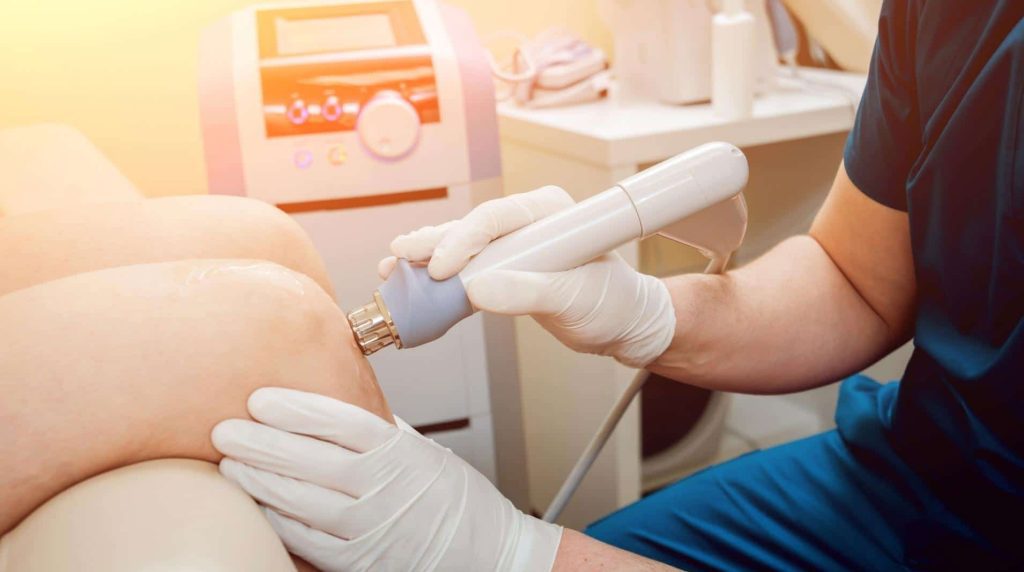
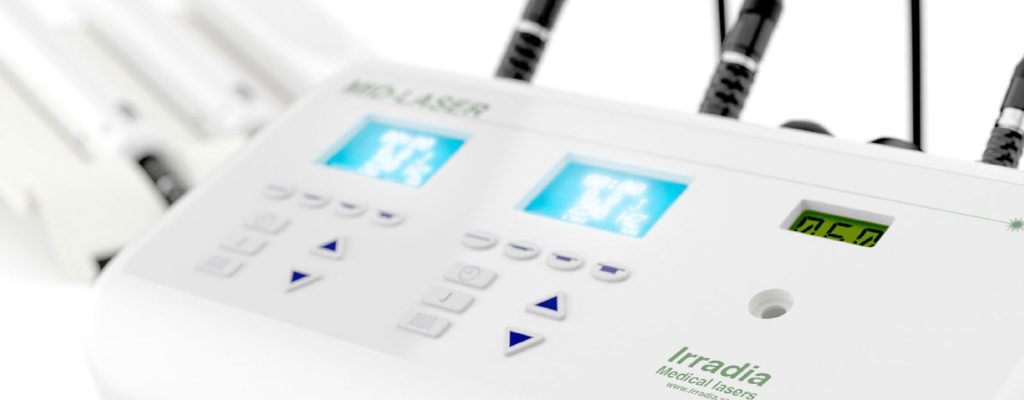
Photobiomodulation Therapy, or PBMT, is also known as Low-Level Laser Therapy (LLLT). It uses specific wavelengths of therapeutic light to influence cellular activity in injured or inflamed tissue. It does not cut, heat or damage the skin. Instead, appropriately prescribed laser treatment aims to reduce pain and inflammation while supporting the biological processes involved in healing.
Why nerve recovery needs a considered approach
Nerves are not the same as muscles or tendons. They carry sensory and motor signals between the brain, spinal cord and body. When a nerve is compressed, stretched, bruised, irritated or injured, those signals may become disrupted. The result can include pins and needles, altered sensation, shooting pain, weakness or reduced coordination.
Some nerve problems improve once pressure and inflammation settle. Others need a longer period of recovery, particularly where there has been significant trauma, surgical irritation or long-standing compression. Recovery depends on the location and severity of the injury, the person’s general health, whether the nerve remains under pressure, and how quickly the underlying cause can be addressed.
That is why persistent nerve symptoms should not be treated as a simple sore muscle. A clinician needs to consider possible causes such as disc-related nerve irritation, carpal tunnel syndrome, local post-operative nerve sensitivity, peripheral nerve irritation after musculoskeletal injury or referred symptoms from the spine. At Laser Pain Therapy, PBMT is not used to treat diabetic neuropathy or other generalised or systemic peripheral neuropathies, because these require management directed at the underlying medical cause. PBMT may be useful in selected local nerve-related musculoskeletal cases, but it should be part of an individualised management plan rather than a substitute for diagnosis.
How PBMT supports nerve recovery at a cellular level
PBMT delivers therapeutic light energy to targeted tissues. Research indicates that specific wavelengths can be absorbed by structures within cells, particularly the mitochondria. Mitochondria produce adenosine triphosphate, or ATP, which is the energy cells use to carry out repair and normal function.
When tissue is injured or persistently inflamed, cellular energy production and circulation may be affected. PBMT is designed to support cellular metabolism, helping create a more favourable environment for tissue recovery. This does not mean a laser can instantly regenerate a severely damaged nerve. It means that PBMT may assist several processes that matter when nerves are irritated or healing.
Reducing inflammation around an irritated nerve
Nerves commonly become painful because the surrounding tissues are inflamed or swollen. For example, inflammation around a spinal nerve root can contribute to sciatica-type pain, while tendon swelling in the wrist can increase pressure on the median nerve in carpal tunnel syndrome.
PBMT has been studied for its anti-inflammatory effects. By helping modulate inflammatory activity and supporting local circulation, treatment may reduce the chemical and mechanical irritation affecting a nerve. Less inflammation can mean less pressure, less sensitivity and improved comfort with movement.
Modulating pain without medication
Nerve pain can feel sharp, electric, burning or intensely sensitive to touch. It often responds differently to standard pain medicines than muscle pain does. PBMT may help modulate pain signalling by influencing local nerve activity and reducing inflammatory contributors to pain.
For many patients, the value of a drug-free option is practical. It may help reduce reliance on pain medication, particularly when medicines cause side effects or have provided limited relief. However, medication should never be stopped abruptly without advice from the prescribing clinician.
Supporting microcirculation and tissue oxygenation
Healthy circulation is essential for repair. Blood vessels supply oxygen and nutrients while carrying away metabolic waste products. Following injury, swelling and tissue tension can compromise local microcirculation.
PBMT may support blood flow in treated areas, which can assist the surrounding soft tissue environment. This is particularly relevant when a nerve is affected by scar tissue, muscle tightness, joint irritation or chronic inflammation. Improving the condition of nearby tissue does not replace treatment for the underlying problem, but it can reduce factors that keep the nerve aggravated.
Encouraging repair processes
Preclinical and clinical research has explored PBMT’s effects on nerve regeneration, nerve conduction and tissue repair. The proposed mechanisms include improved cellular energy, reduced oxidative stress and support for regenerative activity in injured peripheral nerves.
The quality of evidence varies according to the type of nerve condition, laser settings and study design. Results cannot be assumed to be the same for every person or every diagnosis. A carefully selected protocol matters because wavelength, dose, treatment location and frequency all influence how light interacts with tissue.
Which nerve conditions may be suitable for PBMT?
PBMT may be considered in selected cases where nerve symptoms are linked to local musculoskeletal injury, inflammation or compression. Examples may include sciatica associated with lower back conditions, neck-related arm pain, nerve inflammation and injury following shingles, trigeminal neuralgia, peripheral nerve irritation after injury, Morton’s neuroma, and notalgia and meralgia paresthetica.
It may also be considered for some chronic pain presentations where sensitised nerves are contributing to ongoing symptoms. In these situations, treatment commonly focuses on both the nerve pathway and the surrounding muscles, joints, tendons or soft tissues that may be maintaining the problem.
Suitability depends on a proper assessment. New numbness, progressive weakness, loss of balance, changes to bladder or bowel control, or severe pain after significant trauma require urgent medical assessment. These symptoms may indicate a condition that needs prompt investigation rather than conservative laser treatment alone.
What a medically guided PBMT plan looks like
Effective PBMT is not a one-size-fits-all treatment. A medical assessment should review the location of symptoms, how they started, previous scans or specialist findings, medications, relevant medical history and functional limitations. The goal is to identify whether the pain appears to be nerve-related and whether another condition needs priority treatment.
The treatment plan may then target the painful nerve pathway, areas of compression and affected surrounding tissue. For a person with lower back pain and leg symptoms, this could include the lumbar region, gluteal tissues and points along the affected leg. For wrist symptoms, treatment may focus on the carpal tunnel region and contributing forearm structures.
Sessions are comfortable. Patients may feel nothing at all during treatment, although some notice gentle warmth depending on the device and treatment area. The number of sessions varies. Acute nerve irritation may settle relatively quickly, while longstanding pain or a more substantial injury generally needs a structured course with review of progress.
PBMT is often most useful when combined with appropriate movement, rehabilitation exercises, load management and treatment of contributing factors. For instance, persistent desk-related neck and arm symptoms may also require changes to workstation setup, posture habits and repetitive loading. A treatment plan should improve function, not simply chase short-term symptom relief.
Setting realistic expectations for recovery
Nerves generally recover slowly compared with many other tissues. It is common for symptoms to fluctuate, particularly when a person increases activity after a period of pain or reduced movement. Improvement may first appear as better sleep, reduced burning pain, fewer tingling episodes or increased tolerance for walking, gripping or sitting.
The aim of PBMT is to support healing conditions, reduce pain and help restore function. It cannot correct every cause of nerve damage. Where there is severe compression, nerve transection, significant spinal pathology or a systemic condition affecting nerves, additional medical or surgical care may be necessary.
For patients who have struggled with persistent pain, a doctor-led plan provides a practical way to assess whether PBMT is appropriate, monitor response and adjust care as recovery progresses. The most useful next step is not to ignore ongoing numbness or burning pain, but to have it assessed early so the nerve has the best possible conditions to recover.
Contact us today to arrange your consultation and take the first step towards recovery.
Located in Melbourne
(03) 8529 2225 Contact Us