
Joint stiffness can make ordinary tasks feel disproportionately difficult. Getting out of bed, climbing stairs, opening a jar or turning your head to reverse the car may take more effort than it should. Learning how to improve joint stiffness starts with understanding whether the stiffness is a temporary response to inactivity or overload, or a sign that a joint, tendon or surrounding tissue needs clinical assessment.
Stiffness is not always the same as pain. A joint may feel tight, heavy or reluctant to move even when pain is mild. For some people, it eases after a few minutes of movement. For others, it lasts for hours, interrupts sleep or gradually reduces their confidence in daily activities. The right approach depends on the pattern, duration and likely cause.
Why joints become stiff
Joints rely on movement to circulate synovial fluid, maintain muscle function and support normal range of motion. When you stay in one position for too long, the tissues around the joint can temporarily tighten. This is why stiffness after sitting at a desk, driving or sleeping is common.
Stiffness may also follow a new exercise routine, a long day in the garden, repetitive work or an injury. In these situations, inflammation and protective muscle guarding can limit movement while the body recovers. Age-related joint changes, including osteoarthritis, can contribute as cartilage changes and the muscles supporting the joint become weaker or less active.
However, persistent stiffness should not simply be accepted as part of getting older. Tendon injuries, joint degeneration, inflammatory conditions, nerve irritation and poorly resolved sprains can all affect mobility. The most useful treatment plan is one that addresses the underlying problem rather than repeatedly masking symptoms.
How to improve joint stiffness safely
Move little and often
Complete rest can be appropriate for a short period after a significant acute injury, particularly if advised by a clinician. But for most non-serious stiffness, prolonged inactivity tends to make the joint feel worse. Gentle, regular movement helps tissues warm up and reduces the sense of being ‘stuck’.
Start with a comfortable range rather than forcing a stretch. For a stiff knee, this might mean a few slow knee bends while holding a bench. For hands, it may be opening and closing the fingers, then gently making a fist. A stiff shoulder may respond to relaxed pendulum movements or supported arm raises.
The aim is not to push through sharp pain. Mild discomfort that settles soon after movement can be acceptable, but pain that becomes intense, lingers for many hours or causes swelling is a signal to reduce the load and seek advice.
Break up long periods of sitting or standing
Many cases of stiffness are aggravated by static positions rather than a single activity. Office workers may notice it in the neck, shoulders, hips or lower back after long screen sessions. People who stand for much of the day may experience it in their feet, knees and hips.
A practical target is to change position every 30 to 60 minutes. Walk briefly, perform a few controlled joint movements or alter your workstation position. These short movement breaks are often more effective than one lengthy stretching session at the end of the day because they prevent stiffness from accumulating.
Build strength around the affected joint
Flexible joints still need strong support. Muscles help absorb load and guide movement, so weakness can leave a joint working harder than necessary. This is particularly relevant for knee osteoarthritis, shoulder pain, hip stiffness and recurrent ankle problems.
Strength work should be tailored to your starting point. Bodyweight sit-to-stands, calf raises, light resistance-band rows or controlled step-ups may be appropriate for some people. Others may need an individualised program after injury or surgery. The correct exercise is not always the most challenging one – it is the one you can perform with sound technique and gradually progress.
If a joint is noticeably swollen, unstable or sharply painful, do not begin a strengthening program without assessment. The exercise needs to match the diagnosis.
Use heat and cold for the right situation
Heat can be comforting for stiff, aching joints and tight muscles, especially before gentle activity. A warm shower, heat pack or warm compress may make movement easier. Keep it comfortably warm rather than hot, and avoid sleeping with a heat pack.
Cold is often more useful when a recent injury is associated with swelling, heat or throbbing discomfort. Wrap a cold pack in a cloth and use it for brief periods. Neither heat nor cold repairs a joint condition on its own, but both can make it easier to stay appropriately active.
Support recovery outside the exercise routine
Joint health is influenced by more than exercise. Poor sleep can heighten pain sensitivity and make stiffness feel more severe the next morning. Maintaining a healthy body weight can reduce load through weight-bearing joints such as the hips, knees and ankles. Adequate protein, a varied diet and regular hydration support general tissue health, although no single food or supplement can reverse established joint damage.
Smoking can also impair circulation and tissue healing. If stiffness persists after an injury, reducing smoking is a meaningful step towards better recovery.
When stiffness needs medical assessment
Seek prompt medical attention if stiffness follows a fall or accident and you cannot bear weight or use the limb normally. A joint that is red, hot, markedly swollen or accompanied by fever requires urgent assessment, as does sudden severe pain or a visibly deformed joint.
Arrange a medical review when stiffness lasts longer than a few weeks, repeatedly returns, disturbs sleep or limits work, exercise or self-care. Morning stiffness lasting more than 30 to 60 minutes, swelling in several joints, unexplained fatigue or symptoms affecting both sides of the body may require investigation for inflammatory causes.
A clinician can review the history of the problem, examine joint movement and surrounding muscles, and determine whether imaging or other tests are needed. This matters because a stiff shoulder, for example, could involve rotator cuff irritation, osteoarthritis, referred neck pain or adhesive capsulitis. Each requires a different management approach.
Where photobiomodulation therapy may fit
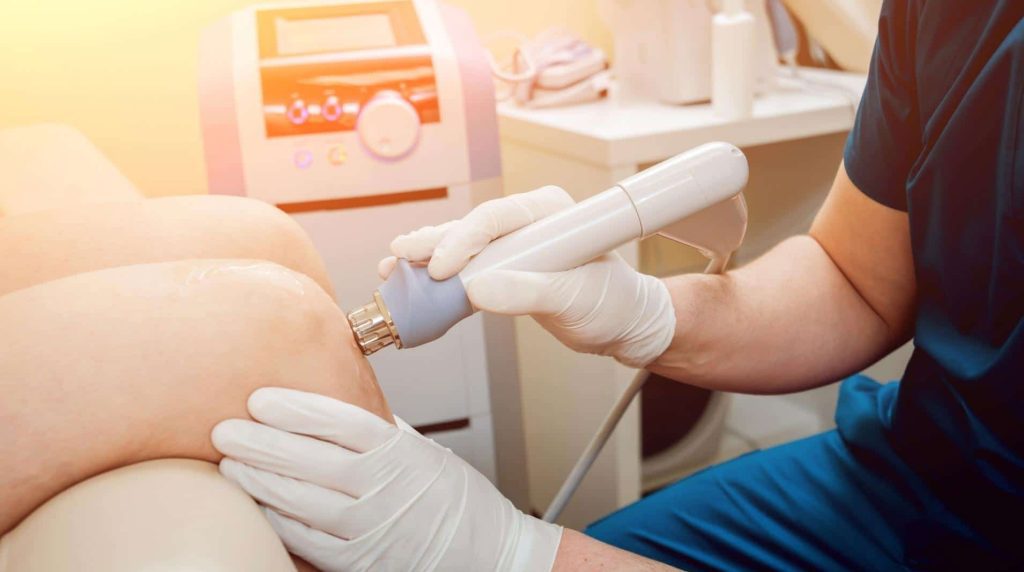
For certain musculoskeletal conditions, photobiomodulation therapy (PBMT), also known as low-level laser therapy, may be considered as part of a medically guided treatment plan. PBMT uses specific wavelengths of light to support cellular processes involved in inflammation control and tissue repair. Treatment is non-invasive, drug-free and comfortable..
Research supports the use of appropriately delivered PBMT for selected pain and soft-tissue conditions, but it is not a substitute for a diagnosis, movement rehabilitation or medical care where these are required. Results depend on the condition being treated, its severity, how long symptoms have been present and the treatment protocol used.
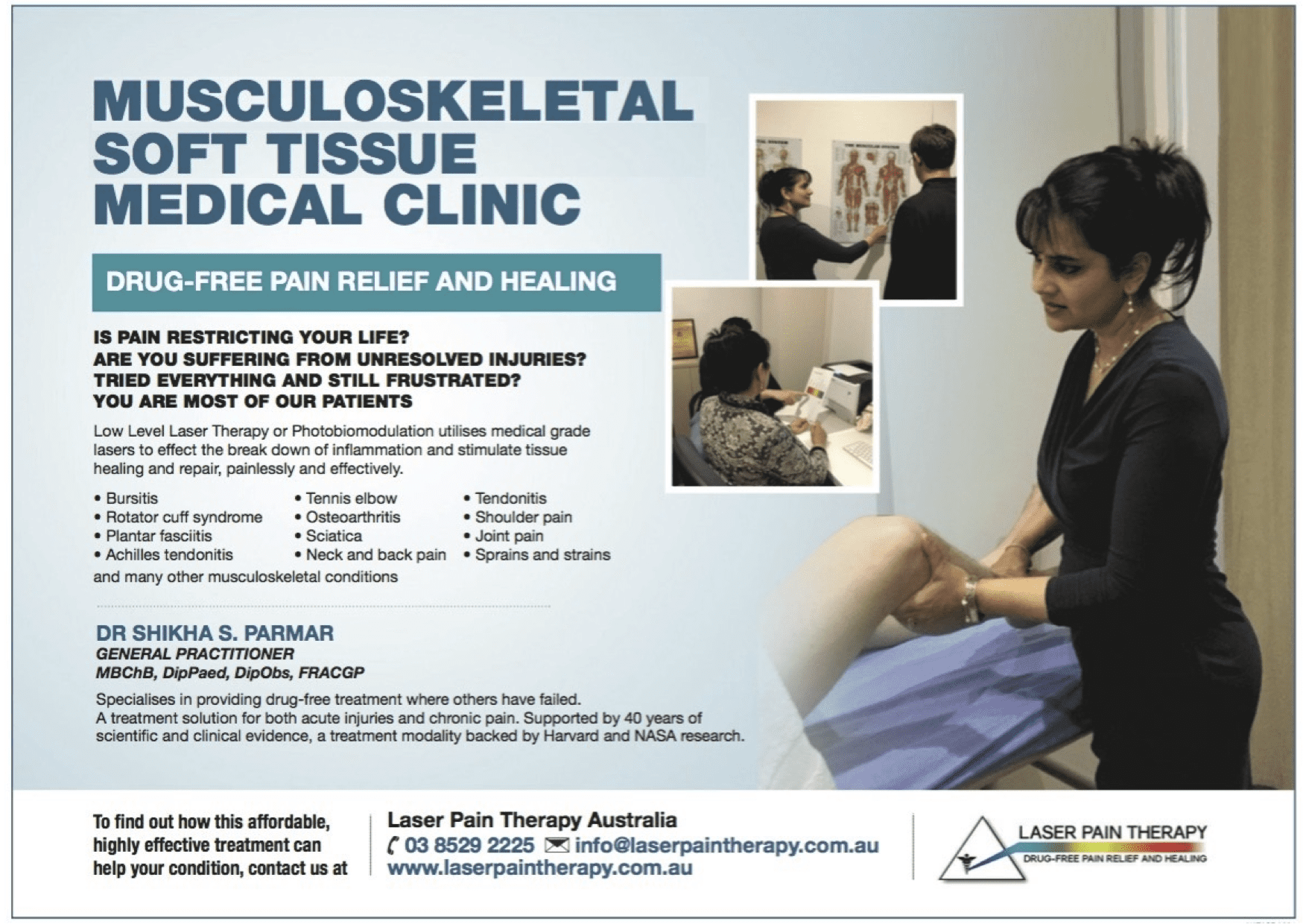
At Laser Pain Therapy, care begins with a GP-led assessment and diagnosis review before personalised laser treatment is considered. This is particularly valuable for people whose joint stiffness has continued despite rest, medication, generic exercise advice or previous therapies. A structured plan can combine pain reduction strategies with the gradual return of movement and strength needed for lasting function.
Avoid the common traps
Trying to ‘stretch it out’ aggressively is one of the most common mistakes. Forceful stretching may irritate an inflamed joint or tendon, especially when the cause of stiffness is unclear. Equally, avoiding all movement because a joint feels uncomfortable can lead to more weakness and restriction.
Be cautious with unsupported claims that a supplement, brace or gadget will fix every stiff joint. Some aids can be useful in specific circumstances, but they should support a broader plan that includes assessment, appropriate activity and treatment of contributing factors.
The most encouraging point is that stiffness is often modifiable. Consistent, tolerable movement and the right level of strengthening can produce meaningful improvements over time. If your joint is not responding, do not keep guessing – a clear diagnosis can turn a frustrating cycle of stiffness into a practical path back to comfortable movement.
Contact us today to arrange your consultation and take the first step towards recovery.
Located in Melbourne
(03) 8529 2225 Contact Us