A painful shoulder, knee or back can make any new treatment feel like a risk. It is understandable to ask, are laser treatments painful? For the low-level laser therapy used in medical pain management, the answer is generally no. Photobiomodulation Therapy (PBMT), also known as Low-Level Laser Therapy (LLLT), is designed to be a comfortable, non-invasive treatment that does not break the skin or rely on injections, medication or surgery.
That said, laser treatment is not one single thing. The experience depends heavily on the type of laser being used, the condition being treated and the sensitivity of the area. A medical laser used for pain and tissue repair is very different from a laser used to remove hair, resurface skin or perform surgery.
Are laser treatments painful for musculoskeletal pain?
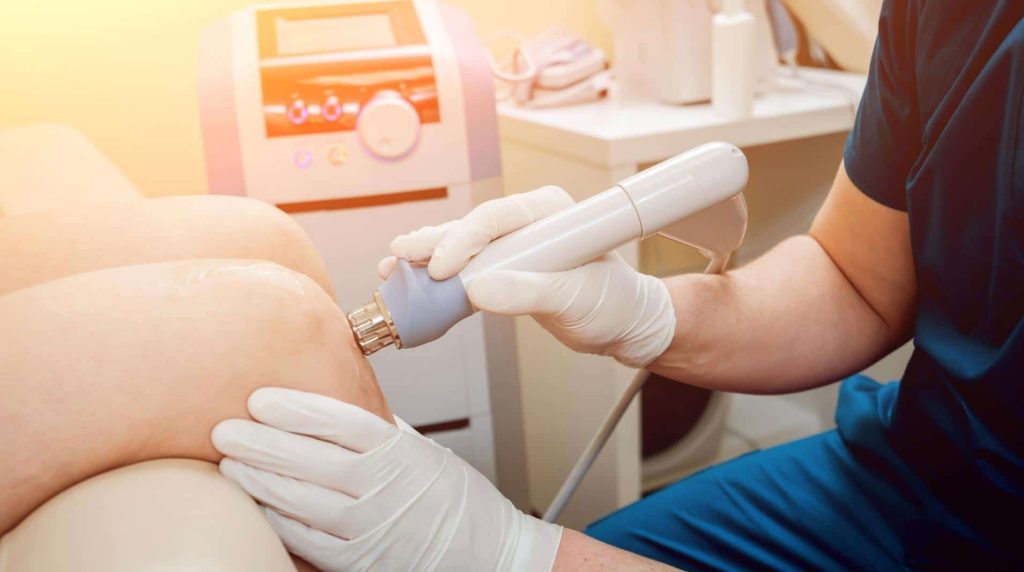
PBMT is not intended to cause pain. During treatment, most patients feel little to nothing beyond the gentle contact or pressure of the laser handpiece on the skin. Some notice mild warmth, although many therapeutic lasers produce no noticeable heat at all. A small number of people describe a light tingling sensation in the treated area.
The laser light is applied to the skin over the injured or painful tissue. It is absorbed by cells and supports biological processes associated with reduced inflammation, improved circulation and tissue repair. There is no needle, no incision and no recovery wound to manage afterwards.
For people living with chronic pain, the distinction matters. The body part being treated may already be tender, swollen or highly sensitive. Positioning the handpiece over an acutely painful tendon, arthritic joint or bruised muscle can be mildly uncomfortable because the area itself is sore, not because the laser is painful. Your clinician can adjust positioning and treatment approach to keep you as comfortable as possible.
Why some laser procedures do hurt
The word “laser” covers technologies with very different purposes and energy levels. This is why one person’s experience of laser hair removal or cosmetic skin treatment may not reflect what pain therapy feels like.
High-powered surgical and cosmetic lasers can deliberately heat, remove or alter tissue. Depending on the procedure, they may create a snapping, stinging or burning sensation and sometimes require cooling, topical anaesthetic or other pain relief. These effects are part of how those treatments work.
PBMT uses a different clinical approach. Rather than damaging tissue to trigger a change, it delivers specific wavelengths of light to support cellular activity without cutting, burning or ablating the skin. It is a drug-free treatment intended to promote healing in muscles, tendons, ligaments, joints, nerves and other soft tissues.
This does not mean every laser device marketed for pain is equivalent. Effective treatment relies on appropriate equipment, correct dosage, accurate assessment and a plan matched to the person and condition. Medically supervised care is particularly valuable where symptoms have persisted, a diagnosis is unclear, or there are several possible contributors to pain.
What does a laser pain therapy session feel like?
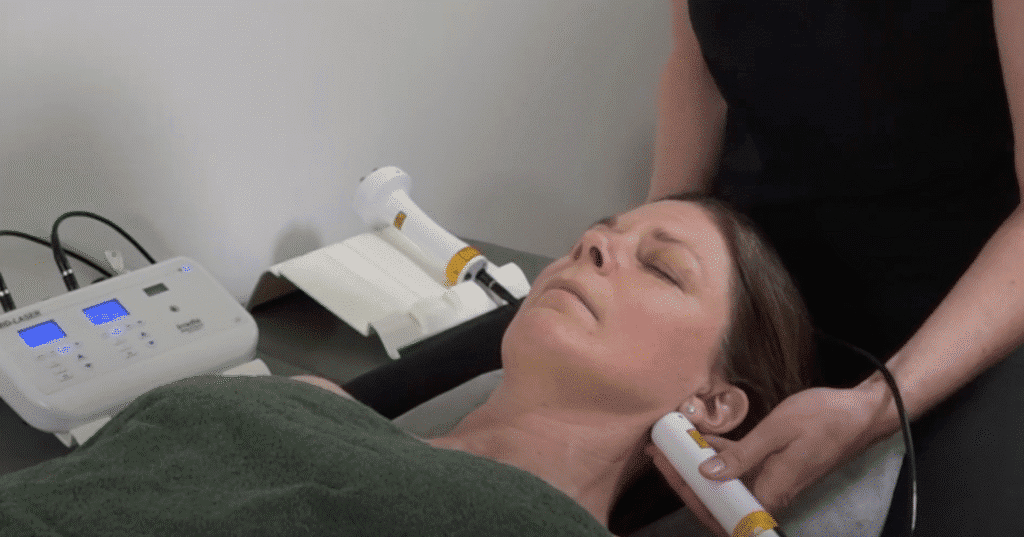
A session is usually straightforward. After a clinical assessment and review of your symptoms, the clinician identifies the target area and the laser handpiece is applied directly to the skin. Treatment varies according to the body area and condition, but patients can generally remain relaxed in a comfortable position throughout.
You may feel the handpiece move between treatment points, or you may feel no sensation at all. The absence of a strong sensation does not mean the treatment is inactive. PBMT works through photochemical and biological responses within tissue, rather than through a painful or forceful physical feeling.
Protective eyewear may be used where appropriate, because laser safety includes protecting the eyes from direct exposure. The clinician will also explain what is being treated and check your comfort during the session. This is especially reassuring for children, older patients, and anyone who has become anxious after a long period of pain or unsuccessful treatment.
Afterwards, there is no downtime. Most people return to normal daily activities immediately. Depending on the condition and your broader management plan, you may be advised to continue gentle movement, modify aggravating activities or follow a rehabilitation programme.
Can you feel sore after treatment?
Most patients do not experience post-treatment pain. However, some people notice temporary changes in sensation, such as mild tenderness, warmth or an awareness of the treated area. This can be more likely when treatment is directed at a longstanding injury, an inflamed structure or an area that has been guarded and under strain for some time.
Pain can also fluctuate naturally, particularly with chronic conditions such as osteoarthritis, tendinopathy, neck pain or lower back pain. It is therefore important not to judge a treatment plan solely on how you feel in the first few hours after one appointment. Your clinician should monitor your response over time, including pain levels, mobility, sleep, activity tolerance and functional goals.
If discomfort increases significantly or you are concerned about a reaction, contact your treating clinic for advice. A personalised programme can be adjusted according to how your body responds.
What affects comfort during laser treatment?
Pain sensitivity is personal. Two people with the same diagnosis can have very different experiences, particularly if one has acute inflammation, nerve irritation, poor sleep, stress or a history of persistent pain. The location also matters. A superficial tendon around the elbow or ankle may be more tender to touch than a deeper muscle group.
The quality of assessment matters as well. A clinician should consider the likely source of pain, how long it has been present, relevant medical history and whether other care is needed alongside laser therapy. For example, a recent sporting injury may require activity modification and graded rehabilitation, while degenerative joint pain may need a longer-term plan focused on maintaining strength and function.
Treatment settings, dose and frequency should be selected for the condition rather than applied as a one-size-fits-all service. This clinical judgement helps keep treatment comfortable while targeting meaningful outcomes, including inflammation reduction, tissue repair, improved movement and reduced reliance on pain medication where appropriate.
Is low-level laser therapy safe for everyone?
PBMT is widely used as a non-invasive option for musculoskeletal pain and injury, and it is suitable for many adults, seniors and children when clinically appropriate. Still, safe care begins with screening. Your treating practitioner should ask about your medical history, medications, diagnosis and any current concerns before recommending treatment.
There may be circumstances where laser therapy needs to be avoided, postponed or modified. These decisions should be made with a qualified clinician, particularly during pregnancy, where there is a known or suspected malignancy in the treatment area, or where symptoms require further medical investigation. Laser therapy should not be used to delay assessment of unexplained severe pain, progressive weakness, major trauma or other warning signs.
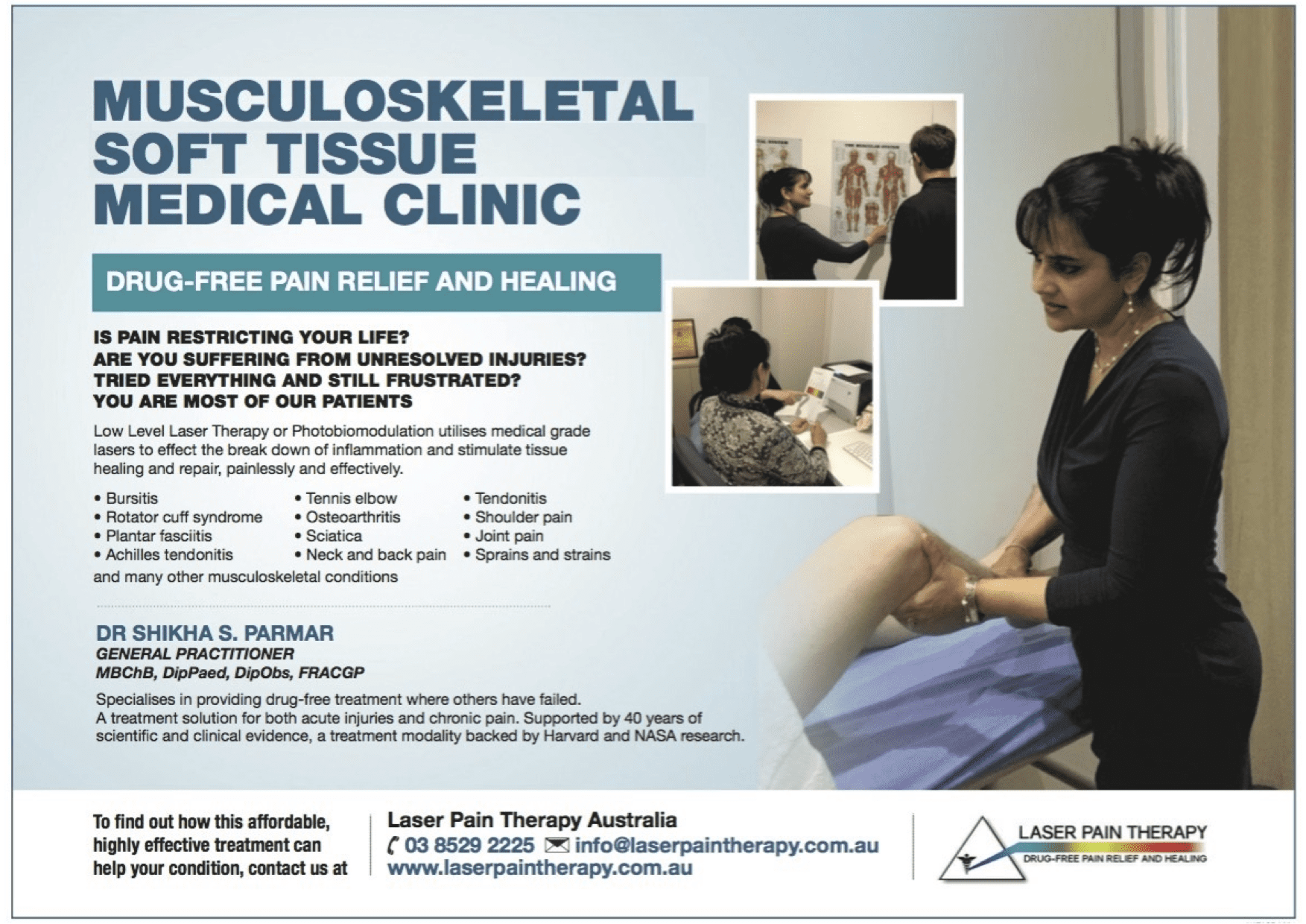
For patients in Melbourne who want a doctor-led review before commencing treatment, Laser Pain Therapy combines GP assessment with personalised PBMT planning. This is particularly helpful when pain has not settled with rest, medication, physiotherapy or other conventional measures.
How to feel more at ease before your first session
You do not need to prepare for laser pain therapy in the way you might prepare for an injection or surgical procedure. Wear clothing that allows practical access to the treatment area, or be prepared to adjust clothing while preserving privacy and comfort. Avoid applying products that may interfere with skin contact unless your clinician advises otherwise.
At your appointment, be clear about what you are feeling. Mention if the area is painful even to light touch, if you have nerve symptoms such as tingling or numbness, or if a past treatment has made you apprehensive. This information helps the clinician select a suitable approach and explain what to expect at each stage.
It is also useful to bring a practical goal. Perhaps you want to sit through a workday without neck pain, walk the dog more comfortably, return to the golf course, or sleep without being woken by a painful shoulder. Pain scores are useful, but restored function is often the result that matters most.
A well-delivered laser treatment should not add another painful experience to an already difficult condition. The purpose is to provide a comfortable, evidence-informed option that supports recovery while your clinician keeps the focus on what matters: moving better, doing more and getting back to daily life with greater confidence.
Contact us today to arrange your consultation and take the first step towards recovery.
Located in Melbourne
(03) 8529 2225 Contact Us