A painful shoulder that will not lift, knee arthritis that limits walking, or a tendon injury that keeps returning can make treatment decisions feel urgent. When considering laser therapy versus surgery, the most useful question is rarely which option is universally better. It is whether surgery is necessary for the specific problem, or whether a medically guided, non-invasive treatment such as Photobiomodulation Therapy (PBMT) can help reduce pain, support tissue healing and restore function first.
For many musculoskeletal conditions, surgery is not the first or only pathway. Equally, there are situations where an operation is the appropriate treatment and delaying it may compromise the result. A careful assessment helps distinguish between the two.
Laser Therapy Versus Surgery: The Key Difference
Surgery is designed to physically correct a structural problem. Depending on the condition, it may repair a torn tendon, stabilise a fracture, remove damaged tissue, decompress a nerve or replace a severely arthritic joint. It can be highly effective when anatomy needs to be repaired or reconstructed.
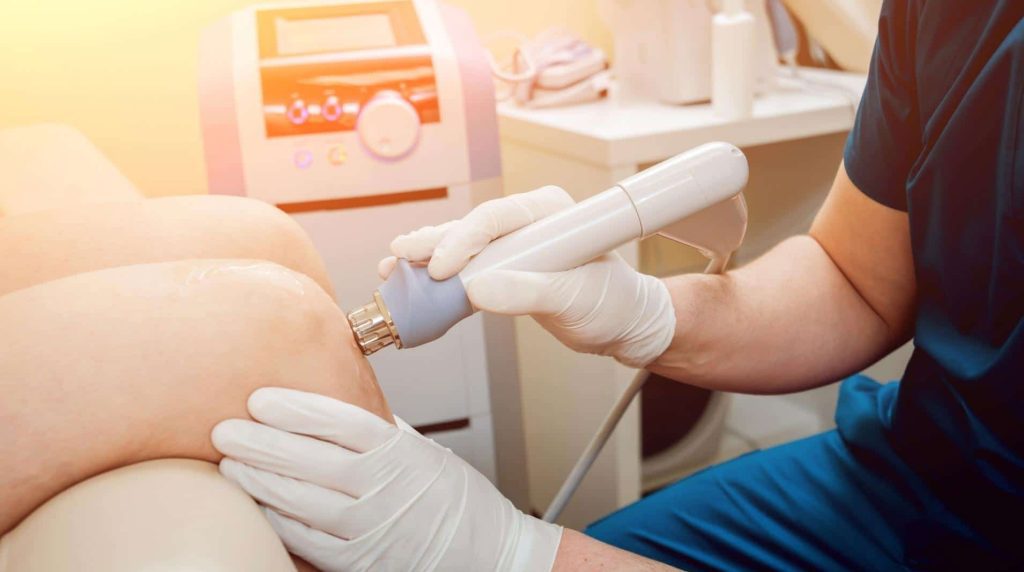
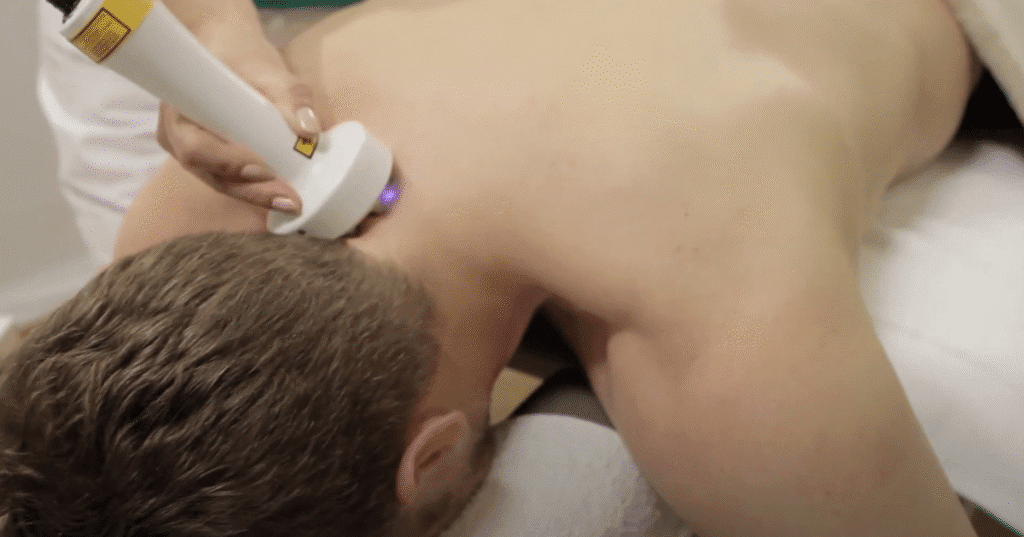
PBMT, also known as Low-Level Laser Therapy (LLLT), works differently. Specific wavelengths of light are applied to targeted tissue to stimulate cellular activity. The aim is to support the body’s natural repair processes, reduce inflammation and pain, improve circulation and assist recovery without incisions, anaesthetic or tissue removal.
This distinction matters. Laser therapy does not stitch a completely ruptured tendon back together, realign an unstable fracture or replace a worn joint. However, many painful conditions involve inflammation, tendon overload, muscle dysfunction, soft-tissue injury or nerve irritation rather than a problem that automatically requires an operation. In these cases, PBMT may form part of a sensible conservative care plan.
When Non-Invasive Laser Therapy May Be a Suitable First Step
For acute injuries and persistent pain alike, clinicians usually consider the diagnosis, severity, functional limitation, medical history and response to previous treatment. A scan can show an abnormality, but the result still needs to be interpreted alongside symptoms and a physical examination. Not every meniscal tear, disc bulge or rotator cuff change on imaging is the source of a person’s pain or a reason for surgery.
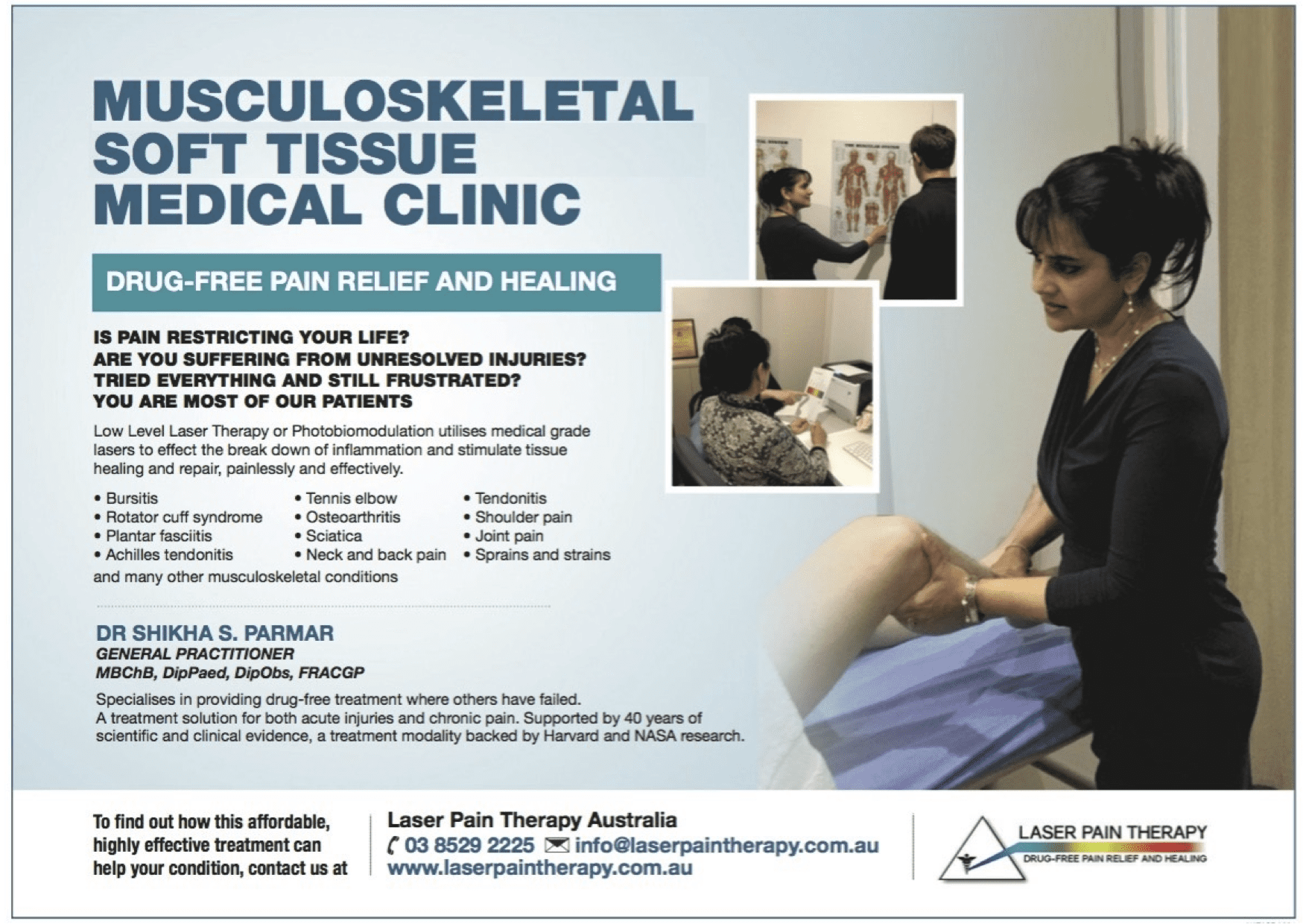
PBMT may be considered where the treatment goal is to settle an irritated or inflamed area, improve movement and support healing. This can include tendon conditions such as tennis elbow, Achilles tendinopathy and shoulder tendinopathy; muscle strains; ligament sprains; repetitive strain injuries; neck and back pain; selected nerve-related musculoskeletal pain; and joint pain associated with osteoarthritis.
For people with chronic pain, the appeal is not simply avoiding an operation. It is having a drug-free treatment option that may help them move more comfortably and participate more effectively in rehabilitation, work and daily activities. Improved tolerance for walking, exercise or prescribed strengthening can be clinically meaningful, particularly when pain has interrupted progress.
PBMT is comfortable and well tolerated across age groups when delivered appropriately. Treatment plans should be individualised rather than based on a one-size-fits-all number of sessions. The area being treated, the duration of symptoms, the underlying condition and changes in function all influence the plan.
It can also support recovery around surgery
The choice is not always laser therapy or surgery. In some circumstances, PBMT may be used before surgery to manage symptoms while a patient is preparing for an operation, or after surgery as part of a broader recovery plan where clinically appropriate. The treating surgeon’s instructions, the procedure performed and wound status must always be considered.
A non-invasive therapy should not be presented as a substitute for surgical care when surgery is clearly indicated. Rather, it can be a useful component of conservative management or rehabilitation for the right patient.
When Surgery Should Not Be Delayed
Some conditions need urgent surgical or specialist assessment. Severe trauma, an open fracture, a suspected infection, progressive neurological symptoms or a loss of blood supply cannot be managed with laser treatment alone.
Prompt review is also needed for symptoms such as sudden inability to bear weight after an injury, a visibly deformed joint, rapidly worsening weakness, loss of bladder or bowel control, numbness in the saddle area, fever with a hot swollen joint, or severe unrelenting pain after trauma. These may indicate a serious condition requiring urgent medical attention.
Outside emergencies, surgery may be recommended when there is a significant structural injury unlikely to heal adequately without repair. Examples can include certain complete tendon ruptures, unstable fractures, advanced joint damage causing substantial disability, or nerve compression with progressive weakness or muscle wasting.
Surgery may also be appropriate after a genuine trial of well-directed conservative treatment has not restored acceptable function. This is not a failure on the patient’s part. It reflects the reality that treatment must match the pathology, lifestyle demands and individual recovery goals.
Comparing Benefits, Risks and Recovery
The practical differences between laser therapy and surgery are substantial. PBMT does not involve an incision, general anaesthetic, hospital admission or surgical wound. There is generally no procedural downtime, allowing many patients to continue normal activities within the limits of their condition.
Surgery can offer a direct solution where mechanical repair is required, but it also carries inherent considerations. These may include anaesthetic risk, infection, bleeding, scarring, stiffness, blood clots, time away from work or caring responsibilities, and a rehabilitation period that can extend for weeks or months. Outcomes vary according to the procedure, the condition being treated and the patient’s overall health.
Cost and convenience may matter as well, but they should not be the sole deciding factors. The least invasive option is not automatically the best option, and the most intensive option is not always the most effective. The appropriate choice is the one that gives a patient the best prospect of safe, durable improvement.
Why Diagnosis Review Matters Before Choosing Treatment
A treatment plan should begin with clarity about what is driving the pain. Pain in the hip may originate from the lower back. Tingling in the hand may relate to the neck, wrist or an underlying health condition. Persistent knee pain may reflect a combination of osteoarthritis, weakness, altered movement patterns and an old injury.
This is why a doctor-led assessment is valuable. It considers your symptoms, examination findings, relevant imaging, prior treatment and medical history before recommending a pathway. It also identifies when referral for surgical opinion, imaging or other medical investigation is needed.
At Laser Pain Therapy, PBMT is delivered within an individualised medical management plan under the direction of Dr Shikha Parmar. The focus is not on selling a generic course of treatment. It is on determining whether laser therapy is clinically appropriate, monitoring response and helping patients make informed decisions about the next step.
Questions Worth Asking at Your Consultation
Before committing to surgery or any conservative treatment, ask what the working diagnosis is and how certain it is. Ask whether there are red flags, whether the structural finding on imaging explains your symptoms, and what may happen if surgery is postponed.
It is also reasonable to ask what a meaningful trial of non-surgical care looks like. That includes the expected timeframe, measures of progress, the role of exercise or physiotherapy, and the signs that would prompt referral for surgical review. Clear answers replace false reassurance with a practical plan.
Making a Decision That Fits Your Condition
A decision about laser therapy versus surgery should never be based on fear of an operation or a promise of a quick fix. It should be based on a sound diagnosis, the seriousness of the condition and the level of function you need to regain.
If your pain has persisted, your movement is becoming more limited or previous treatment has not helped, seek an assessment that considers both conservative and surgical pathways. The right next step is the one that protects your health, addresses the true cause of pain and gives you the clearest path back to everyday life.
Contact us today to arrange your consultation and take the first step towards recovery.
Located in Melbourne
(03) 8529 2225 Contact Us