
A stiff neck after an awkward night’s sleep is common. A neck that remains tight, painful or difficult to turn for weeks or months is different. This guide to chronic neck stiffness explains why persistent symptoms deserve a proper assessment, what you can safely do at home, and when medically guided treatment may help restore comfortable movement.
Chronic neck stiffness is not a diagnosis in itself. It is a symptom that can arise from muscles, joints, discs, nerves and surrounding soft tissue. The most effective treatment plan depends on identifying the likely source of pain rather than repeatedly treating tension alone.
What chronic neck stiffness can feel like
People describe chronic neck stiffness in different ways. For some, it is a constant pulling sensation at the base of the skull or across the shoulders. Others notice reduced ability to check blind spots while driving, pain after computer work, headaches, or a sharp catch when turning the head.
Symptoms may stay localised to the neck, but they can also spread into the upper back, shoulder blade or arm. Tingling, numbness, weakness or burning pain into the arm may suggest nerve irritation and should be assessed clinically, particularly if symptoms are worsening.
Stiffness often fluctuates. A demanding work week, prolonged time on a mobile, poor sleep, stress, an old injury or a change in exercise can all increase symptoms. That variation does not mean the pain is imagined. It often reflects how sensitive an irritated joint, muscle or nerve has become to load.
Common causes of ongoing neck stiffness
Muscular overload is a frequent contributor. Office work, driving, studying, manual tasks and sustained looking down can place prolonged demand on the neck and upper shoulder muscles. Muscles may become protective and tender, creating a cycle of pain, reduced movement and further stiffness.
Age-related changes in the cervical spine can also play a role. Cervical spondylosis, facet joint irritation and disc degeneration are common, especially from midlife onwards. Imaging findings do not always match pain levels, however. Many people have degenerative changes without symptoms, so scans need to be interpreted alongside a careful clinical history and examination.
Previous trauma may be relevant. Symptoms after a sporting collision, fall or motor vehicle accident can persist when soft tissue, joints or nerves have not fully settled. Whiplash-associated symptoms can be particularly variable, with stiffness sometimes accompanied by headache, fatigue or sensitivity to movement.
Other possibilities include cervical disc irritation, nerve compression, osteoarthritis, inflammatory conditions and referred pain from the shoulder or upper back. Jaw clenching and poor sleep can contribute as well. This is why a one-size-fits-all approach rarely produces lasting relief.
When neck stiffness needs urgent medical attention
Most neck stiffness is not an emergency, but certain symptoms should not be managed with stretches alone. Seek urgent medical care if neck pain follows significant trauma, or if it occurs with fever, severe headache, rash, confusion or marked sensitivity to light.
Prompt assessment is also needed for new or progressive arm or hand weakness, persistent numbness, loss of coordination, unsteadiness when walking, or changes in bladder or bowel control. Unexplained weight loss, a history of cancer, pain that is severe at night, or feeling generally unwell also warrants medical review.
For persistent symptoms without these warning signs, a GP-led consultation can help clarify whether the primary problem is muscular, joint-related, neurological or referred from another area. This reduces the risk of spending months treating the wrong structure.
A practical guide to chronic neck stiffness at home
The aim is not to force a stiff neck to move. Aggressive stretching, repeated cracking or pushing through sharp pain can aggravate sensitive tissues. Instead, use gentle, regular movement within a tolerable range.
Try turning your head slowly from side to side, nodding gently, and drawing the shoulder blades back and down. Brief movement breaks every 30 to 60 minutes are often more useful than one long stretching session at the end of the day. If desk work is a trigger, position the screen at a comfortable height, keep commonly used items close, and vary your posture rather than trying to hold one perfect position all day.
Heat may ease muscular guarding for some people, while a cold pack may feel better after a flare-up. The better option is the one that gives short-term relief without irritating the skin. A supportive sleeping position can also help, but there is no single best pillow for everyone. The right height depends on your preferred sleeping position, shoulder width and comfort.
Gradual return to activity matters. Walking, strength work and general exercise can improve circulation, confidence and tolerance to movement. The dose needs to match your current condition. If pain substantially increases during activity and remains elevated the following day, reduce the intensity or duration and seek individual guidance.
Why assessment matters when symptoms persist
If stiffness lasts longer than several weeks, keeps returning or affects work, driving, sleep or exercise, a detailed assessment is worthwhile. A clinician can review the pattern of symptoms, examine movement and strength, test for signs of nerve involvement and consider whether imaging or referral is appropriate.
Not every patient needs a scan. X-rays, CT and MRI can be valuable when there are trauma concerns, neurological signs or a suspected structural issue, but they are not automatically required for uncomplicated neck pain. The clinical findings should guide the investigation, not the other way around.
A personalised plan may include education, pacing strategies, targeted exercise, hands-on care where appropriate, and treatment to address inflammation and soft-tissue sensitivity. Medication can be useful for some people, particularly during acute flares, but ongoing reliance on pain medicines may not address the factors maintaining chronic stiffness. For patients concerned about medication side effects or invasive procedures, non-drug options are worth discussing.
Where photobiomodulation therapy may fit
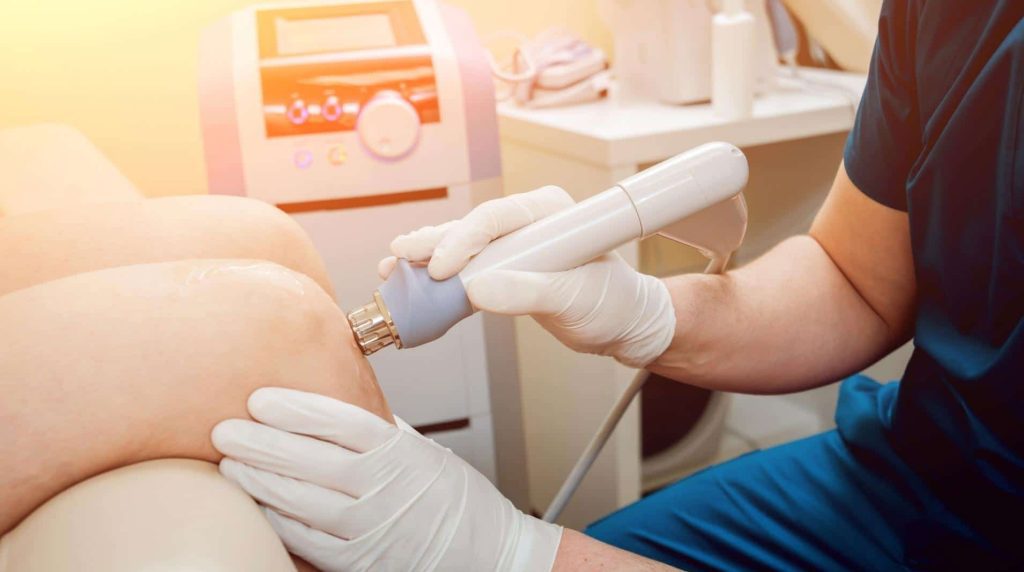
Photobiomodulation Therapy, also called Low-Level Laser Therapy or PBMT, is a non-invasive treatment that uses specific wavelengths of light to influence cellular activity in damaged or inflamed tissue. It is comfortable, does not involve radiation or heat injury, and may be used as part of a broader care plan for musculoskeletal pain.
For chronic neck stiffness, PBMT may be considered when muscle strain, soft-tissue irritation, joint inflammation or persistent pain sensitivity is contributing to reduced movement. Research supports its role in reducing pain and inflammation for selected musculoskeletal conditions, although results depend on the underlying diagnosis, the dosage delivered and the overall treatment plan.
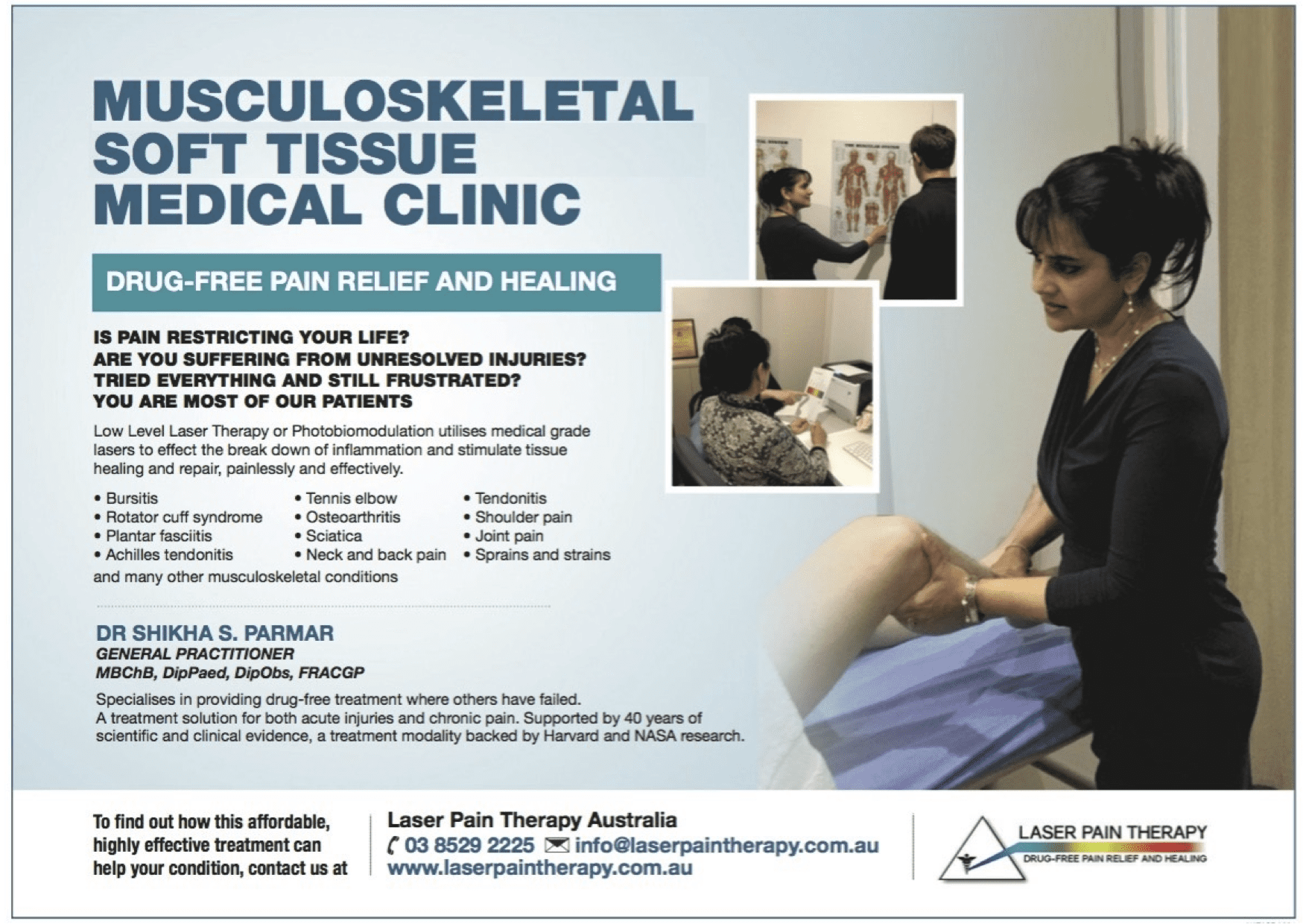
PBMT is not a substitute for investigating serious symptoms, and it will not correct every structural cause of neck pain. It is most useful when treatment is based on a medical assessment and paired with practical rehabilitation. At Laser Pain Therapy, care is medically supervised, with treatment planning tailored to the person’s diagnosis, symptom duration, function and response over time.
A course of care may involve several sessions because chronic tissues generally do not settle after one treatment. Progress is measured by more than pain scores: easier head rotation, improved sleep, fewer headaches, greater capacity for work or driving, and confidence returning to normal activity are all meaningful markers.
Avoid the quick fixes that keep stiffness going
Temporary relief is not always harmful, but it can become a problem when it replaces active recovery. Repeatedly resting, avoiding all movement, relying on a massage every few weeks, or using pain relief to continue an aggravating workload can allow the cycle to continue.
Equally, do not blame yourself if posture changes and stretching have not fixed the issue. Persistent neck stiffness is often more complex than a single workstation adjustment. The better question is whether your neck is receiving the right amount of movement, strength, recovery and clinical support for its specific problem.
Neck stiffness that has lasted for months can feel like a permanent part of life. It does not have to be. A clear diagnosis, sensible pacing and a personalised, evidence-informed plan can create steady gains without forcing the neck or masking the problem.
Contact us today to arrange your consultation and take the first step towards recovery.
Located in Melbourne
(03) 8529 2225 Contact Us