
A sore shoulder that becomes harder to lift by Friday, a back injury after moving stock, or a wrist that aches through every keyboard task can quickly affect more than work. Sleep, family responsibilities and confidence can all suffer. Effective workplace injury recovery is not simply about waiting for pain to settle. It is about identifying what has been injured, reducing unnecessary aggravation and rebuilding the capacity needed for a safe return to normal duties.
Why workplace injuries can linger
Some injuries happen in a moment. A slip, awkward lift or sudden twist may strain a muscle, sprain a ligament or irritate a joint. Others develop gradually through repetitive tasks, poor workstation set-up, prolonged sitting, vibration, overhead work or forceful manual handling.
The original injury is only part of the picture. Pain can lead people to guard a movement, avoid activity or compensate with another part of the body. For example, someone protecting a painful knee may place extra load through the hip or lower back. Over time, reduced movement and altered mechanics can contribute to stiffness, weakness and persistent pain.
Continuing to work through significant pain is not always the answer, but complete rest for too long may also delay recovery. The appropriate balance depends on the diagnosis, the severity of tissue damage, the physical demands of the role and any underlying conditions such as osteoarthritis, diabetes or previous injury.
Start workplace injury recovery with a clear assessment
A precise assessment provides direction. It helps distinguish between a temporary muscular overload and conditions requiring more urgent investigation, such as a fracture, substantial tendon tear, nerve compression or serious joint injury.
A doctor-led review should consider how the injury occurred, where symptoms are felt, which movements are limited and whether there is swelling, weakness, altered sensation or pain at rest. It should also consider the demands of the job. A retail worker who stands for eight hours, a tradesperson who works overhead and an office worker using a mouse all need different recovery plans, even if they have pain in the same area.
Seek timely medical attention for severe or worsening pain, visible deformity, inability to bear weight, marked weakness, numbness or tingling, loss of bladder or bowel control, fever, or pain following significant trauma. These symptoms may require urgent assessment rather than conservative treatment alone.
For less urgent injuries, diagnosis review can clarify whether imaging is useful. Scans can be valuable where they will change management, but they are not always required. Treatment should be guided by clinical findings and function, not an image in isolation.
Record the pattern, not just the pain score
A daily pain score has limited value if it does not explain what aggravates symptoms. Note whether pain increases after lifting, sitting, walking, driving or repetitive hand use, and how long it takes to settle. This information helps identify practical modifications and shows whether recovery is progressing.
It is also helpful to record function. Can you turn your head while driving? Carry shopping? Type for 30 minutes? Climb stairs without limping? Functional changes often show meaningful improvement before pain disappears completely.
Protect healing tissue without becoming inactive
Early management usually involves reducing the task or load that provokes symptoms while keeping safe movement in the day. This may mean lighter duties, shorter periods at a workstation, different lifting techniques, temporary use of a trolley, or planned movement breaks.
The aim is not to avoid every uncomfortable sensation. Mild, short-lived discomfort may be acceptable during rehabilitation, particularly when rebuilding strength after an injury. Sharp pain, increasing swelling, symptoms that persist into the next day or a clear loss of function are signs that the activity may be too demanding.
A graded approach is more useful than trying to make up for lost time. A person recovering from a shoulder strain may begin with comfortable range-of-motion exercises, progress to light resistance, then reintroduce reaching and lifting in controlled amounts. The pace should reflect the injury and the individual response, not a generic timetable.
Sleep, adequate nutrition and hydration also matter. Tissue repair requires energy and protein, while poor sleep can heighten pain sensitivity and reduce concentration. These basics do not replace clinical care, but they can make a meaningful difference to recovery capacity.
Where PBMT may support recovery
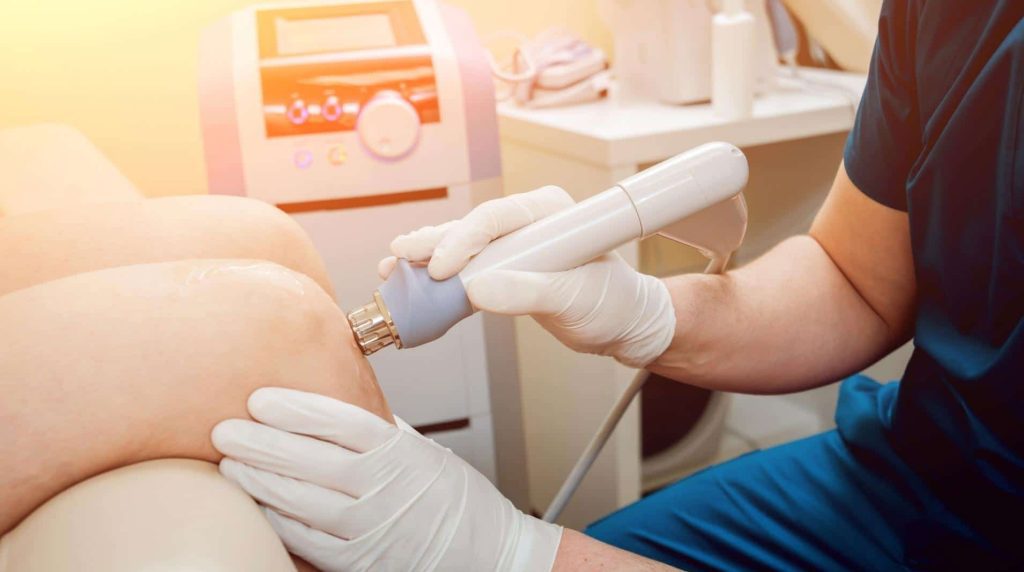
Photobiomodulation Therapy, also known as PBMT or Low-Level Laser Therapy, is a non-invasive treatment that uses specific wavelengths of light to influence cellular processes involved in tissue repair and inflammation. It is comfortable, does not involve medication or injections, and is used for a range of musculoskeletal conditions affecting muscles, tendons, ligaments, joints and soft tissue.
For appropriate workplace injuries, PBMT may be considered as part of an individualised management plan. Research supports its use for selected musculoskeletal pain and injury presentations, particularly where inflammation, pain and reduced function are limiting rehabilitation. Treatment parameters matter. The wavelength, dose, treatment location and frequency should be chosen according to the condition, tissue depth and clinical assessment.
PBMT is not a substitute for a proper diagnosis, activity modification or rehabilitation. It will not repair an unstable fracture or remove the need for surgery where surgery is clinically indicated. However, it can be a valuable drug-free option for people seeking to reduce pain and inflammation while working towards improved mobility and tissue healing.
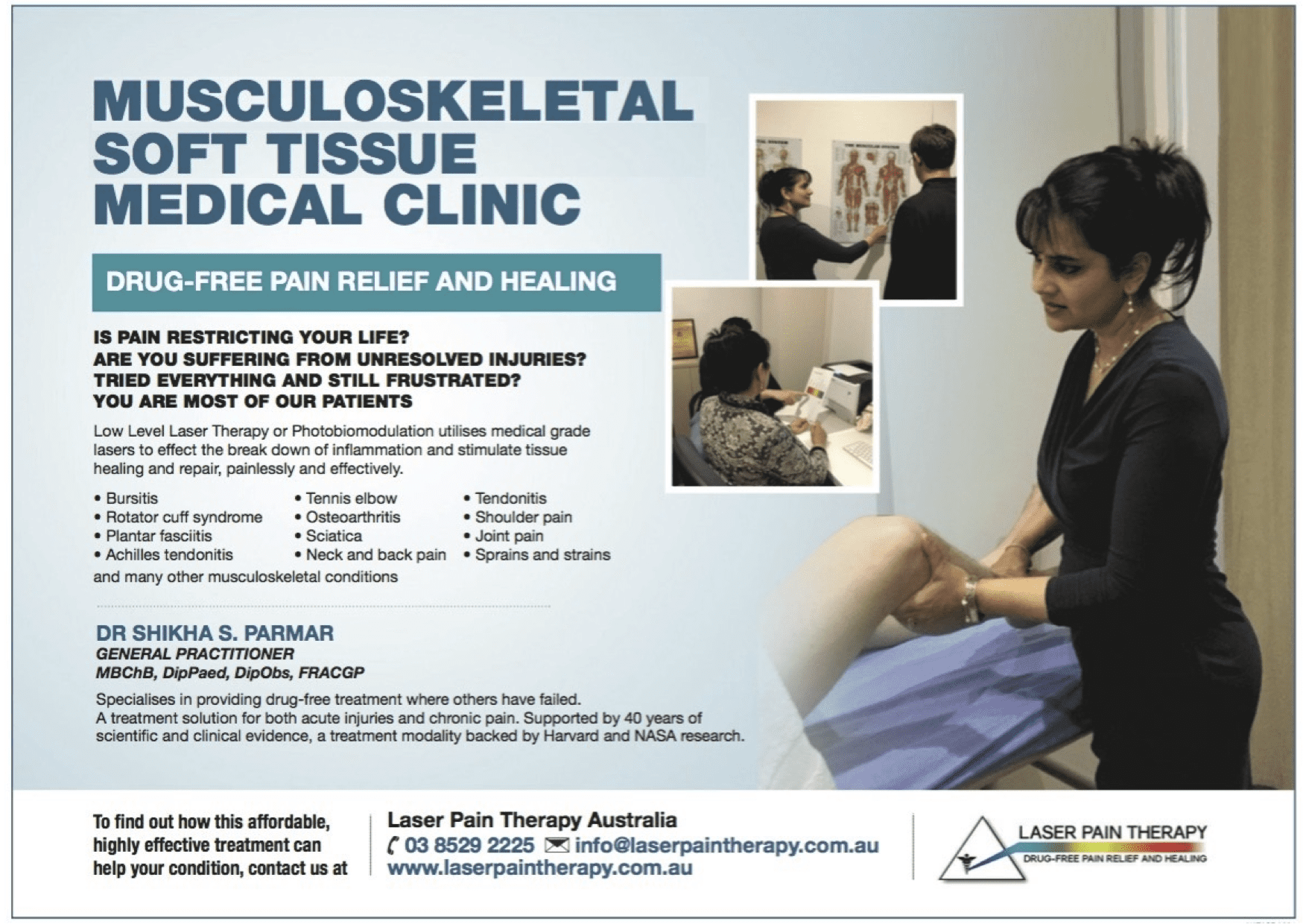
At Laser Pain Therapy, care is medically supervised and treatment planning is based on the specific injury, current symptoms and functional goals. This is particularly relevant when pain has persisted despite rest, medication or standard conservative care.
Plan the return to work, rather than testing it
Returning to work can be beneficial for recovery when duties are appropriate. It restores routine, confidence and movement, while helping prevent the deconditioning that can follow prolonged absence. The key is to return with defined limits and a plan to progress.
A suitable duties plan may address hours, lifting limits, push-pull tasks, repetitive work, driving, kneeling, ladder use and opportunities for breaks. It should be reviewed as function improves. Someone with a repetitive strain injury may initially need more variation in hand tasks, while a worker recovering from lower back pain may need reduced load and improved access to mechanical aids.
Communication is essential. Your treating clinician needs to understand the actual work tasks, not just the job title. Likewise, an employer can only make sensible adjustments when they understand the practical restrictions. In many cases, temporary modification is more productive than either returning to full duties too early or staying away from all activity unnecessarily.
Pain flare-ups can occur during a staged return, especially with longstanding injuries. A flare-up does not automatically mean new damage. Review what changed: was there a sudden rise in hours, load, pace, stress or poor sleep? Adjusting one variable early can prevent a minor setback from becoming another extended absence.
When pain persists beyond the expected period
Persistent workplace pain deserves reassessment, not dismissal. Ongoing symptoms may reflect incomplete tissue recovery, repetitive aggravation, reduced strength, joint degeneration, nerve sensitivity or a combination of factors. It may also mean that the initial diagnosis needs to be revisited.
Medication can have a role in short-term symptom management, but it may not address the underlying mechanical or inflammatory drivers of pain. For people concerned about medication side effects, or those who have not gained adequate relief from conventional approaches, medically guided non-invasive options can be worth discussing.
The goal is not always a completely pain-free day before activity resumes. A more useful target is steadily improving capacity: less pain after a shift, greater movement range, better tolerance for lifting or sitting, and fewer interruptions to normal life. Those gains are what make a return to work safer and more sustainable.
A workplace injury should not be judged only by how quickly you can get back on the roster. Give recovery the structure it needs, and focus on restoring the function that lets you work, move and live with confidence.
Please note that Laser Pain Therapy does not bill third-party payers such as WorkCover. Patients pay the clinic directly, while Medicare rebates apply to eligible medical consultations.
Contact us today to arrange your consultation and take the first step towards recovery.
Located in Melbourne
(03) 8529 2225 Contact Us