A shoulder that hurts when you reach into a cupboard, a knee that stiffens after sitting, or a tendon injury that will not settle can steadily reduce confidence in everyday movement. This guide to photobiomodulation treatment explains what PBMT is, where it may fit in a pain-management plan, and why a medical assessment matters before treatment begins.
What is photobiomodulation treatment?
Photobiomodulation Therapy, usually called PBMT and also known as Low-Level Laser Therapy or LLLT, uses specific wavelengths of red and near-infrared light to influence cellular activity. Unlike surgical lasers, PBMT does not cut, burn or remove tissue. The treatment is non-invasive, drug-free and comfortable.
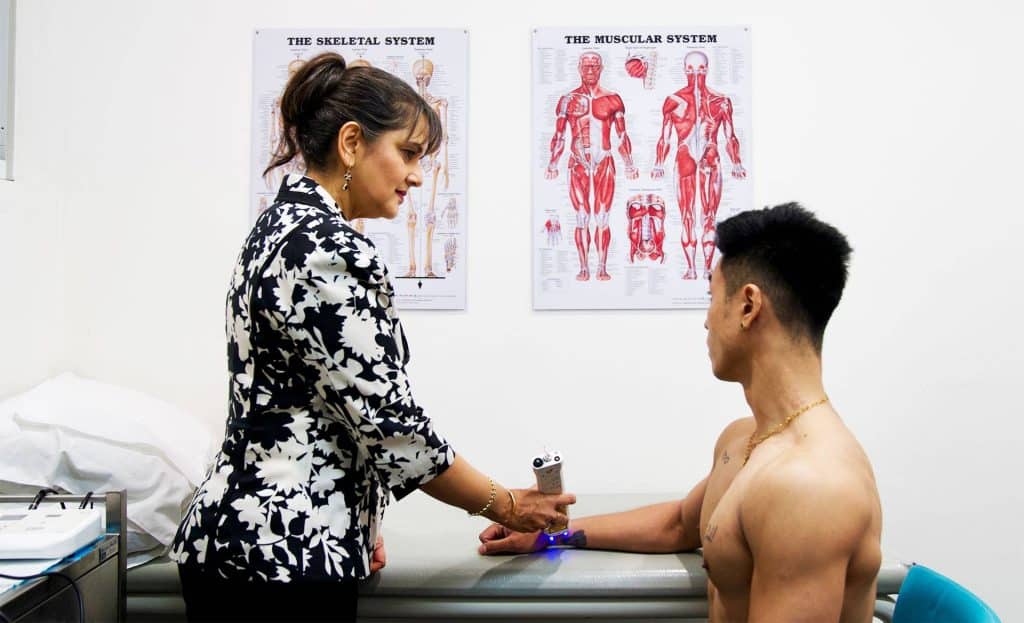
The light is applied to the affected area using a therapeutic laser device. At an appropriate wavelength and dose, light energy can be absorbed by cells, including the mitochondria that help produce cellular energy. This process is thought to support tissue repair processes, modulate inflammation and improve local circulation. For a person with pain, the practical goals are usually reduced sensitivity, easier movement and better capacity to participate in daily activities or rehabilitation.
PBMT is not simply a heat treatment. Some people feel gentle warmth during a session, while others feel very little. Its effect depends on factors such as the condition being treated, the stage of injury, the tissue depth, the wavelength used and the dosage delivered. This is why treatment should be planned rather than approached as a one-size-fits-all wellness service.
Guide to photobiomodulation treatment: conditions it may help
PBMT may be considered for acute injuries as well as persistent musculoskeletal pain. It is commonly used as part of a management plan for tendon, muscle, joint, ligament, selected nerve-related musculoskeletal and soft-tissue conditions.
Examples include osteoarthritis-related joint pain, neck and back pain, shoulder pain, bursitis, tennis elbow, plantar fasciitis, Achilles tendinopathy, sprains, repetitive strain injuries and sports-related muscle injuries. It may also be helpful for people whose pain has continued after the original injury should reasonably have healed, provided the cause of symptoms has been properly reviewed.
That does not mean every painful condition is suitable for laser treatment, or that laser therapy replaces all other care. A torn tendon, unstable joint, significant fracture, infection, progressive neurological symptoms or unexplained pain may require urgent investigation, specialist referral or a different form of treatment. In many cases, the best outcome comes from combining PBMT with appropriate movement advice, load management, strengthening or other clinically indicated care.
Why diagnosis review comes first
Pain in one area does not always originate there. Hip pain may be referred from the lower back, hand tingling may involve a nerve higher in the arm or neck, and a painful knee may be affected by walking mechanics, osteoarthritis or a recent overload. Treating the sorest point without understanding the wider picture can delay meaningful improvement.
A medically supervised consultation should review your diagnosis, symptoms, injury history, relevant scans or reports, current medications and previous treatments. The clinician will also consider red flags, such as new weakness, altered sensation, fever, significant swelling, unexplained weight loss or pain that is severe at night. These signs do not automatically mean something serious is wrong, but they should not be managed with laser therapy alone.
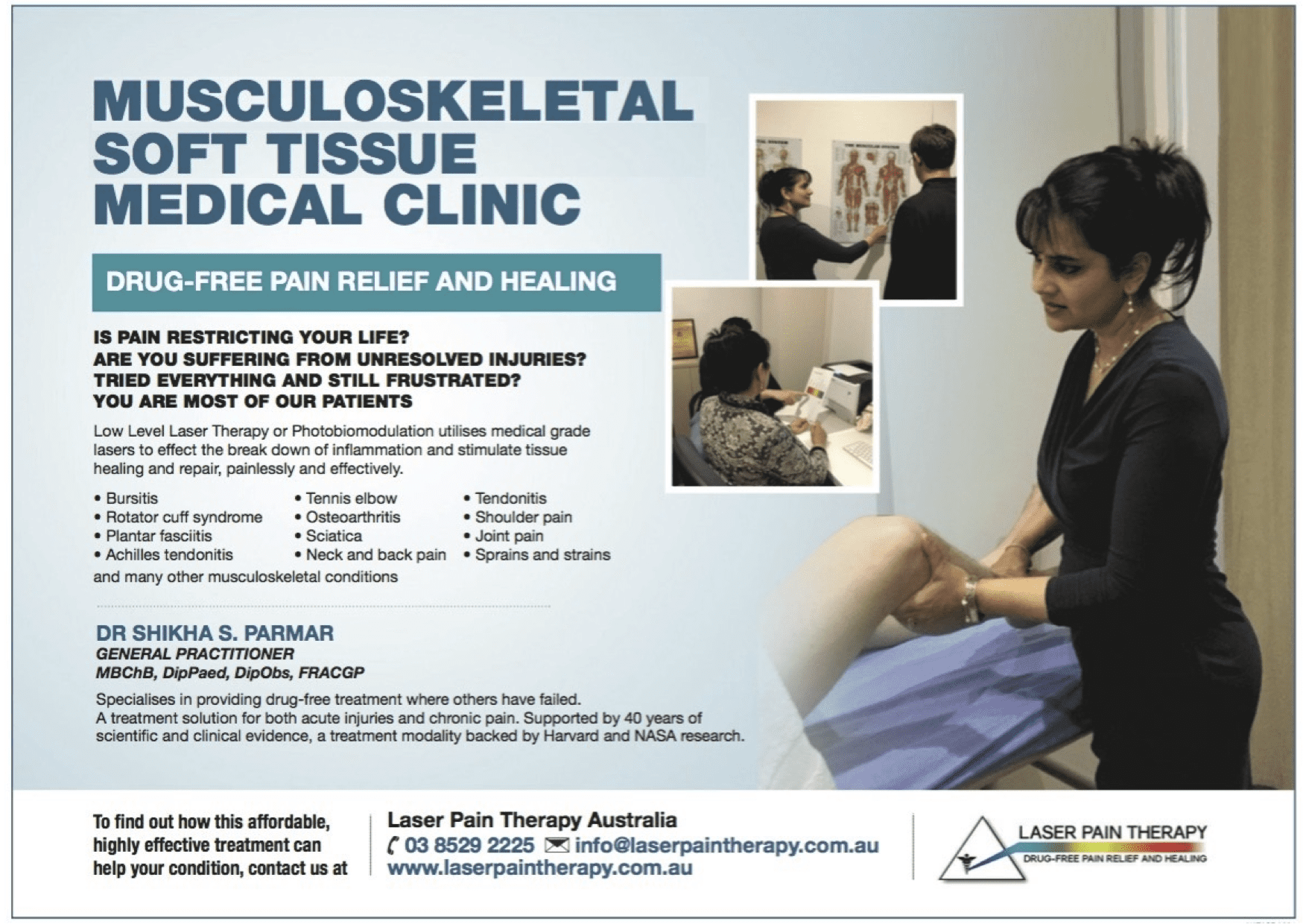
For patients in Melbourne seeking a non-surgical option, a GP-led assessment can provide the clinical direction that is often missing from generic pain services. At Laser Pain Therapy, treatment planning is based on the condition, the tissue involved and the individual’s functional goals, whether that means returning to work comfortably, climbing stairs with less pain or getting back to sport.
What happens during a PBMT session?
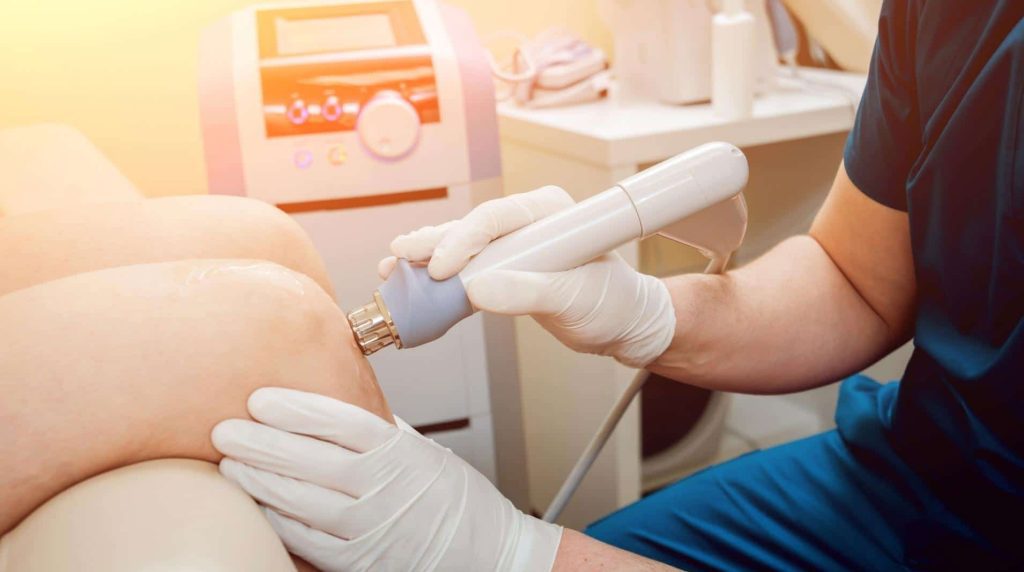
After assessment, the clinician identifies the tissues and treatment sites most relevant to your symptoms. The laser applicator is placed on or close to the skin over the target area. Protective eyewear is used where required. Sessions are comfortable, and there is no recovery period such as the downtime associated with surgery or injections.
The time required varies according to the number of areas treated and the depth of the target tissue. A superficial tendon may need a different approach from a deeper hip, lumbar or knee structure. Your clinician may treat both the painful site and related areas that contribute to movement restriction or tissue overload.
A course of care is usually recommended rather than a single session. Acute injuries may respond differently from chronic pain that has been present for months or years. Early changes can include easier movement, less stiffness or a reduction in pain intensity, but progress is not always linear. Some people notice change quickly, while others require several sessions before there is a clear functional improvement.
What the evidence means in real life
Research into PBMT has grown substantially, with studies examining its effects on pain, inflammation, tissue healing and function across a range of musculoskeletal conditions. The quality of results, however, is closely linked to the treatment protocol. Wavelength, power, energy dose, treatment frequency and correct placement all matter.
This is an important distinction. A device that emits red light is not necessarily equivalent to a medical-grade laser delivered at a clinically appropriate dose. Home devices may be useful in some circumstances, but they cannot replace a diagnosis review or a personalised protocol for complex, persistent or unclear pain.
Evidence should also be interpreted honestly. PBMT can be a valuable part of care, but it is not a guaranteed cure and cannot reverse every structural change. For example, it may help reduce pain and improve function in osteoarthritis, but it does not regrow a severely worn joint. For chronic tendinopathy, it may support recovery, yet ongoing overload from work, training or poor footwear can continue to aggravate the tendon unless those factors are addressed.
Safety, suitability and precautions
When delivered by a suitably trained clinician, PBMT is considered safe and well tolerated for adults, seniors and, where clinically appropriate, children and adolescents. It does not involve needles, medication or ionising radiation.
Even so, treatment should be individualised. Your clinician needs to know about pregnancy, active cancer or suspected malignancy, photosensitivity, medications that increase light sensitivity, reduced sensation, recent steroid injections and any history of eye conditions. The laser should never be directed into the eyes, and some areas or clinical situations require specific precautions or may not be appropriate for treatment.
A proper consultation is also an opportunity to discuss expectations. If you are relying heavily on anti-inflammatory medicines, painkillers or repeated passive treatments to get through the week, the aim should be more than short-term symptom suppression. A well-designed plan considers how to improve function safely while reducing dependence on measures that may not be suitable long term.
How to judge whether treatment is working
Pain scores matter, but they are not the only measure of progress. Useful markers include walking further, sitting through a workday with fewer breaks, sleeping more comfortably, lifting with less hesitation or returning to activities that pain had forced you to avoid.
Your treatment plan should be reviewed as care progresses. If symptoms are not changing as expected, the diagnosis, dosage, contributing factors or treatment approach may need to be reconsidered. This is a strength of medically guided care: there is room to adjust based on response rather than continuing a preset series of appointments without a clear clinical rationale.
Before starting, ask what condition is being treated, what outcomes are realistic, how many sessions may be appropriate and how progress will be measured. Clear answers help you make a practical decision about whether PBMT suits your needs, budget and recovery goals.
Persistent pain can narrow life gradually, often before people realise how much they have stopped doing. The right next step is not to accept that limitation as inevitable, but to seek a careful assessment and a treatment plan that gives healing, movement and long-term function proper attention.
Contact us today to arrange your consultation and take the first step towards recovery.
Located in Melbourne
(03) 8529 2225 Contact Us