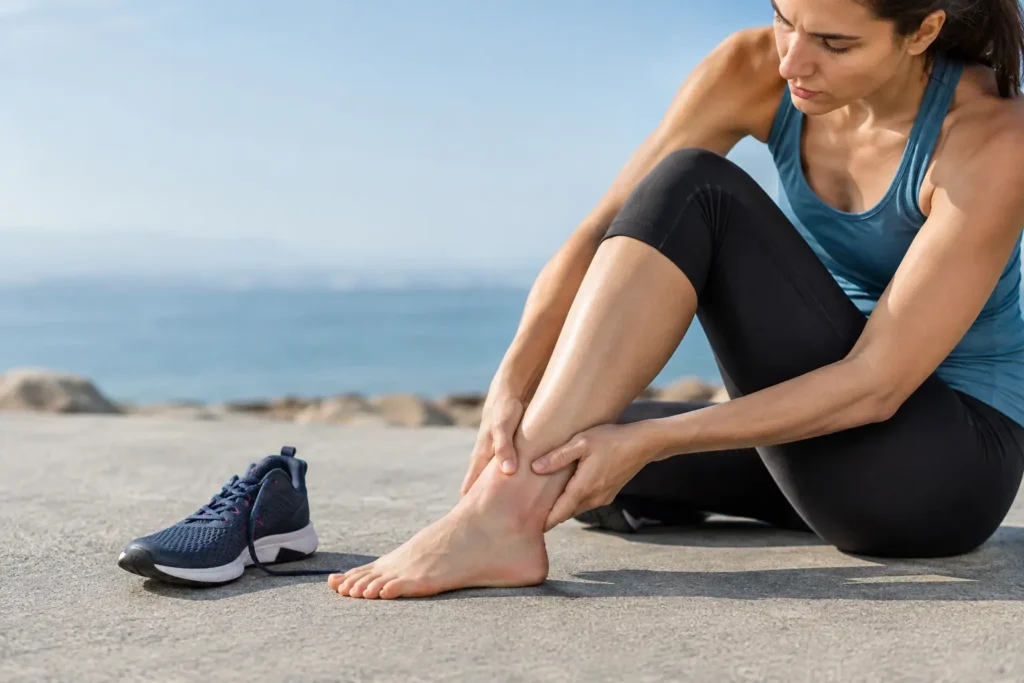
A painful first few steps out of bed, a stiff tendon after sitting, or a sharp pull when walking uphill can make even ordinary movement feel uncertain. This guide to Achilles tendinopathy recovery explains how the tendon heals, why complete rest is rarely the answer, and how medically guided care can help you return to daily activity with greater confidence.
A guide to Achilles tendinopathy recovery starts with the right diagnosis
The Achilles tendon connects the calf muscles to the heel bone. It transfers force every time you walk, climb stairs, rise onto your toes, run or jump. When its capacity is exceeded by repeated load, the tendon can become painful and less tolerant of activity. This is Achilles tendinopathy.
It is not always a simple inflammation problem. In many persistent cases, the tendon has changed in response to ongoing overload. Its structure, pain sensitivity and ability to manage force may all be affected. That distinction matters because relying on anti-inflammatory medication or resting until pain disappears may not address the reason symptoms keep returning.
Achilles tendinopathy commonly occurs in two areas. Mid-portion tendinopathy affects the section of tendon several centimetres above the heel. Insertional tendinopathy affects the point where the tendon attaches to the heel bone. Insertional pain can be aggravated by footwear rubbing on the back of the heel or by exercises that place the ankle into a deep stretch.
A clinical assessment helps distinguish tendinopathy from other causes of heel and calf pain, including bursitis, plantar fasciitis, nerve irritation, inflammatory arthritis or a partial tendon tear. This is especially valuable when pain has been present for months, keeps recurring, or has not improved with self-directed exercises.
Symptoms that need prompt medical assessment
Seek urgent assessment if you felt a sudden pop in the calf or heel, have substantial bruising or swelling, cannot push off through the foot, or are unable to stand on tiptoe on the affected side. These symptoms can indicate an Achilles rupture. New calf swelling, warmth, redness or unexplained shortness of breath also require urgent medical attention.
Reduce aggravation without stopping all movement
Recovery usually begins by reducing the loads that flare the tendon while maintaining comfortable movement. For some people, this means temporarily stopping running, court sports, hill walking or repeated jumping. For others, it may mean changing a demanding work routine that involves prolonged standing, ladders or frequent stairs.
Complete inactivity can reduce calf strength and tendon capacity, which can make the return to activity harder. The better approach is relative rest: modify the activities that provoke symptoms, then rebuild tolerance in a planned way. Cycling, swimming or flat-surface walking may be suitable alternatives for some patients, provided they do not substantially increase pain.
Pain monitoring is useful, but it should not become a reason to fear every sensation. Mild discomfort during rehabilitation can be acceptable when it settles soon afterwards and does not cause worse pain or stiffness the following morning. Increasing pain that persists for more than 24 hours is often a sign that the previous session was too demanding.
Footwear can also influence symptoms. A supportive shoe with a slight heel rise may reduce strain on the tendon in the early phase, particularly for insertional pain. This is not a permanent cure, and footwear needs vary between individuals. A clinician can advise whether a temporary heel lift, shoe modification or other support is appropriate.
Rebuild tendon capacity with progressive loading
The cornerstone of Achilles tendinopathy recovery is progressive strengthening. Tendons adapt slowly, so the goal is not to find the most intense exercise. It is to provide enough load, often enough, for long enough to improve strength and tolerance without repeatedly provoking a flare.
Early rehabilitation may involve isometric calf holds, where the calf muscles work without the ankle moving. These can be useful when pain is irritable. As symptoms settle, a programme generally progresses to slow, controlled calf raises and heavier resistance work. Both the straight-knee calf raise, which places more emphasis on the gastrocnemius, and the bent-knee variation, which targets the soleus, are commonly relevant.
The right starting point depends on your current function. Someone who cannot complete a comfortable double-leg calf raise needs a different programme from a recreational runner preparing to return to intervals. Age, body weight, diabetes, cholesterol management, previous steroid injections, certain antibiotics and other health factors can also influence tendon health and recovery planning.
For insertional tendinopathy, exercises may initially be performed on level ground rather than dropping the heel below the edge of a step. That deeper range can compress an already sensitive tendon against the heel bone. For mid-portion tendinopathy, a larger range may be introduced when tolerated. This is one reason generic online programmes are not suitable for everyone.
Progression is based on function, not a calendar
There is no reliable two-week fix for a tendon that has been painful for six months. Many people notice improvement in pain and confidence over several weeks, but meaningful tendon rehabilitation often takes three to six months or longer. Longer-standing symptoms, repeated flare-ups and a premature return to high-impact sport can extend that timeframe.
Progress is better measured by practical markers: less stiffness on waking, improved walking tolerance, stronger calf raises, reduced pain after activity and greater confidence on stairs or uneven ground. A temporary rise in symptoms does not automatically mean the tendon is damaged again. It may simply mean the load has exceeded its current capacity and needs adjustment.
Address the factors that keep the tendon overloaded
Tendon rehabilitation works best when the cause of overload is considered, not just the painful spot. A sudden increase in running distance, faster training, hill work, a change in shoes, returning to sport after illness or a physically demanding holiday can all trigger symptoms. In less active people, the issue may be a gradual mismatch between calf strength and everyday demands.
A useful plan considers training volume, recovery days, sleep, work demands and overall health. If you run, increase only one major training variable at a time, such as distance, speed or hills. If you are returning to a sport involving sprinting or jumping, build through brisk walking, controlled calf strengthening and low-level hops before expecting the tendon to tolerate maximal effort.
Weight management may reduce lower-limb loading for some people, but it should be approached realistically and without delaying rehabilitation. Likewise, stretching may feel relieving for a tight calf, yet aggressive stretching is not always appropriate in an irritable or insertional tendon. The most helpful intervention is the one that matches the diagnosis, stage of recovery and your functional goals.
Where photobiomodulation therapy may fit
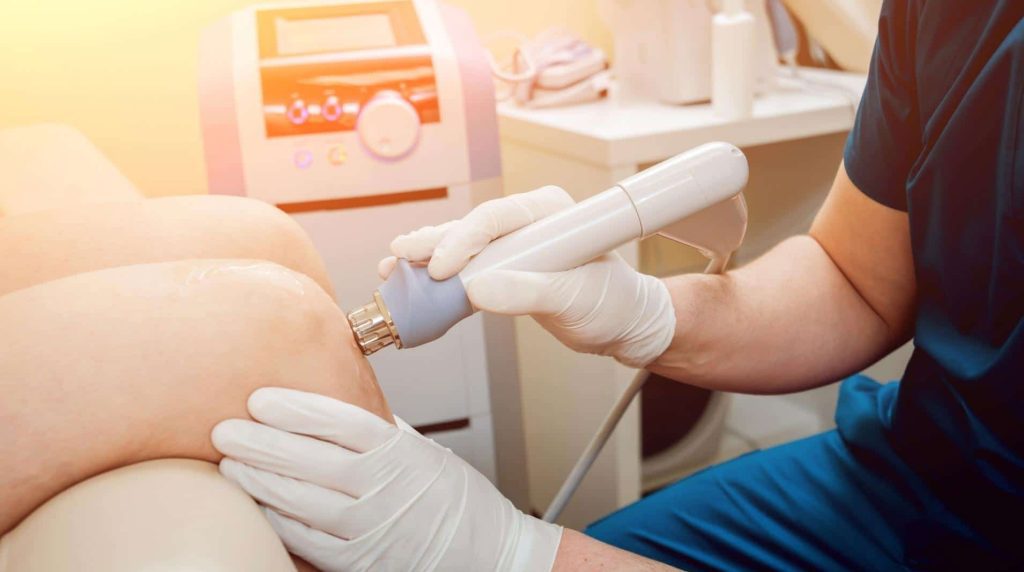
Photobiomodulation Therapy, also called Low-Level Laser Therapy, uses specific wavelengths of light to support cellular processes involved in tissue repair and pain modulation. When delivered at appropriate therapeutic parameters, it is a non-invasive and drug-free treatment option that may assist in reducing pain and improving function for some people with musculoskeletal conditions.
For Achilles tendinopathy, PBMT is best considered an adjunct to a structured rehabilitation programme, not a replacement for progressive loading. The clinical aim is to help settle pain and improve tolerance so that the patient can participate more effectively in the strengthening and activity plan that drives long-term recovery.
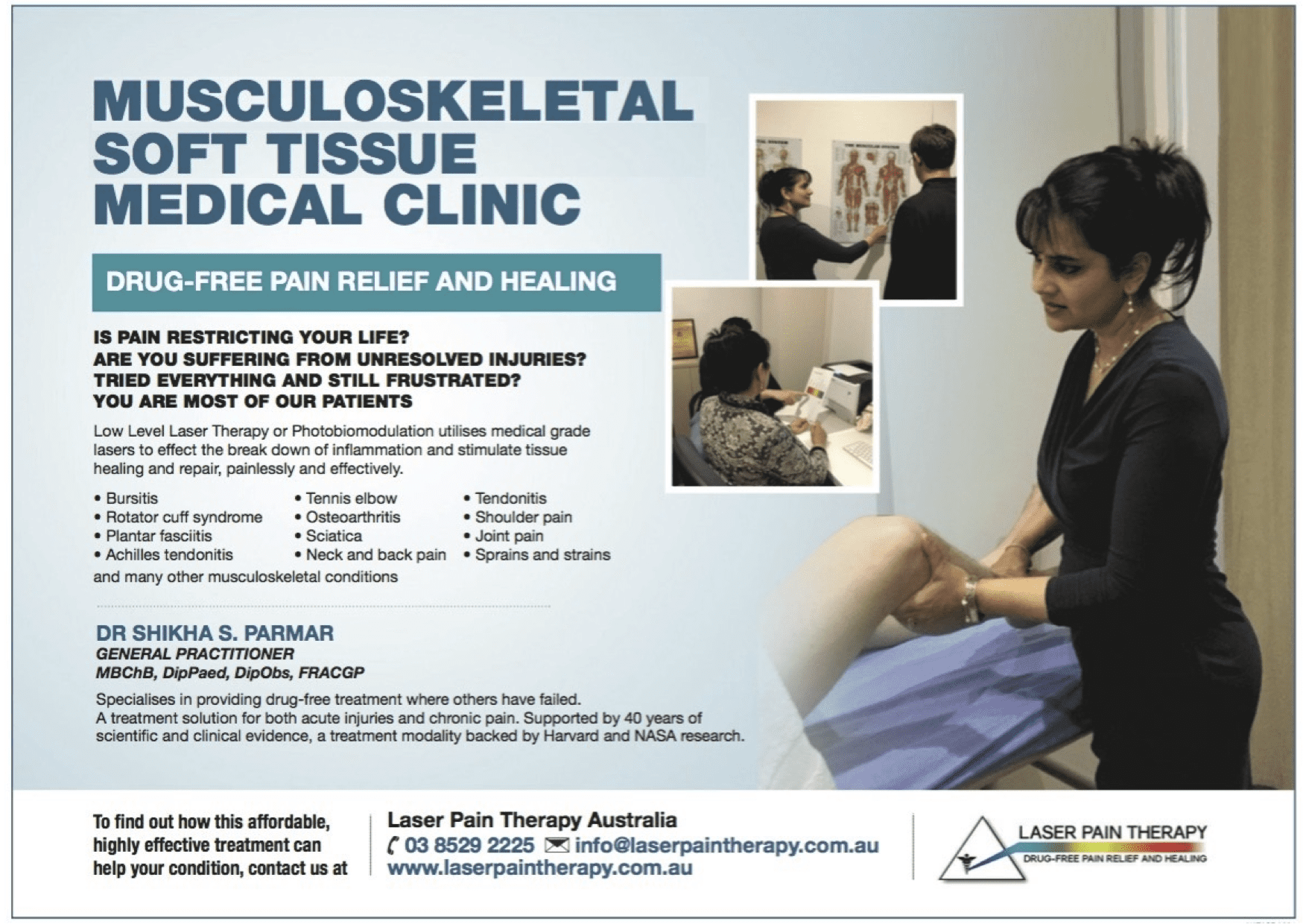
At a doctor-led clinic such as Laser Pain Therapy, treatment should begin with an assessment of the history, current symptoms, functional limitations and relevant medical factors. A personalised plan may combine PBMT with load modification, exercise guidance and regular review. This is particularly useful for people whose pain has persisted despite conventional care, who cannot tolerate medication, or who want a non-surgical option alongside active rehabilitation.
PBMT is comfortable and does not require downtime. However, suitability, treatment frequency and expected benefit differ between patients. A responsible treatment plan will be clear about this rather than promising an identical outcome for every tendon problem.
Returning to walking, running and sport
A return to higher-impact activity should be gradual and based on what the tendon can do, not simply how long it has been sore. Before running, it is sensible to achieve comfortable daily walking and demonstrate improving calf strength. Early sessions should be short, flat and easy, with recovery days between them.
Speed work, hills, long runs and jumping drills are usually introduced later because they place greater demand on the Achilles. If symptoms increase significantly during a session or the next morning, reduce the previous load rather than abandoning rehabilitation altogether. This measured approach protects momentum while giving the tendon time to adapt.
Recovery is rarely a straight line. The most productive plan is one that responds to your symptoms, builds strength steadily and keeps your wider health in view. With an accurate diagnosis and consistent, appropriately progressed care, the goal is not merely to quieten Achilles pain, but to restore trust in the movements that matter to you.
Contact us today to arrange your consultation and take the first step towards recovery.
Located in Melbourne
(03) 8529 2225 Contact Us