A search for Melbourne laser clinics can bring up vastly different services: cosmetic hair removal, skin treatments, physiotherapy modalities and medical pain management. If you are living with persistent back pain, a painful knee, tendon injury or nerve-related symptoms, that difference matters. The right question is not simply whether a clinic has a laser. It is whether the treatment is clinically appropriate for your diagnosis, symptoms and recovery goals.
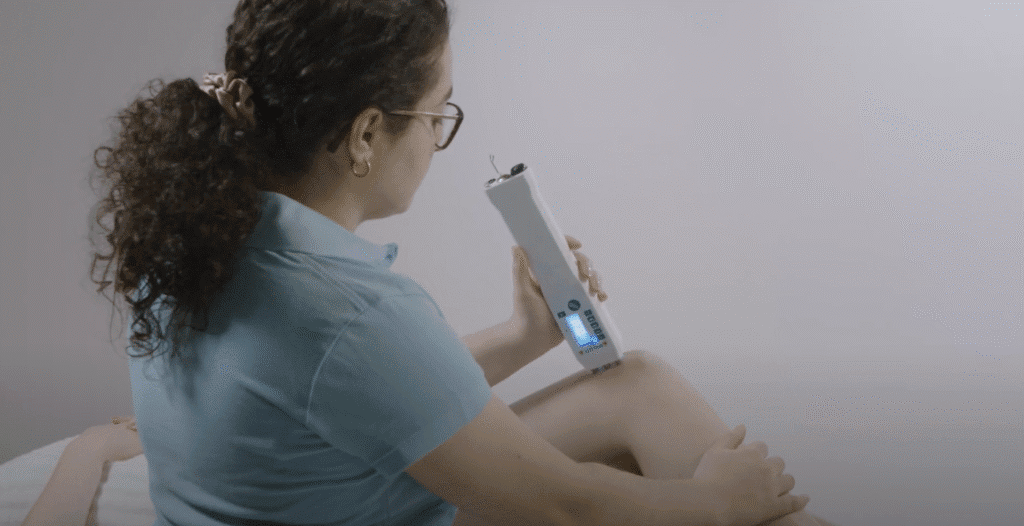
Photobiomodulation Therapy (PBMT), also called Low-Level Laser Therapy (LLLT), is used to support pain management and tissue healing without surgery, injections or medication. It is not the same as the lasers used to remove hair or resurface skin. For musculoskeletal pain, the focus is on delivering specific wavelengths of light to affected tissue as part of a considered clinical plan.
Not all Melbourne laser clinics provide pain care
The word “laser” describes a technology, not a standard of care. A clinic may offer laser-based services for entirely different purposes, with different devices, training requirements and expected outcomes. Cosmetic laser treatments work by targeting pigment or superficial skin structures. PBMT uses low-level light energy with the aim of influencing cellular activity in deeper tissues, helping to moderate inflammation, support circulation and assist the body’s repair processes.
For someone with a painful shoulder, arthritis in the knee or ongoing sciatica, a generic laser appointment may not be enough. Pain can arise from several structures at once. A sore elbow, for example, may involve tendon overload, altered movement patterns, neck involvement or nerve irritation. Effective care begins by understanding the likely source of symptoms rather than applying the same treatment to every painful area.
A medically supervised clinic should take a history, review relevant scans or reports where available, assess red flags and consider what has already been tried. This is particularly valuable when pain has lasted for months, keeps returning, or has not improved with rest, medication or standard rehabilitation.
What PBMT is designed to do
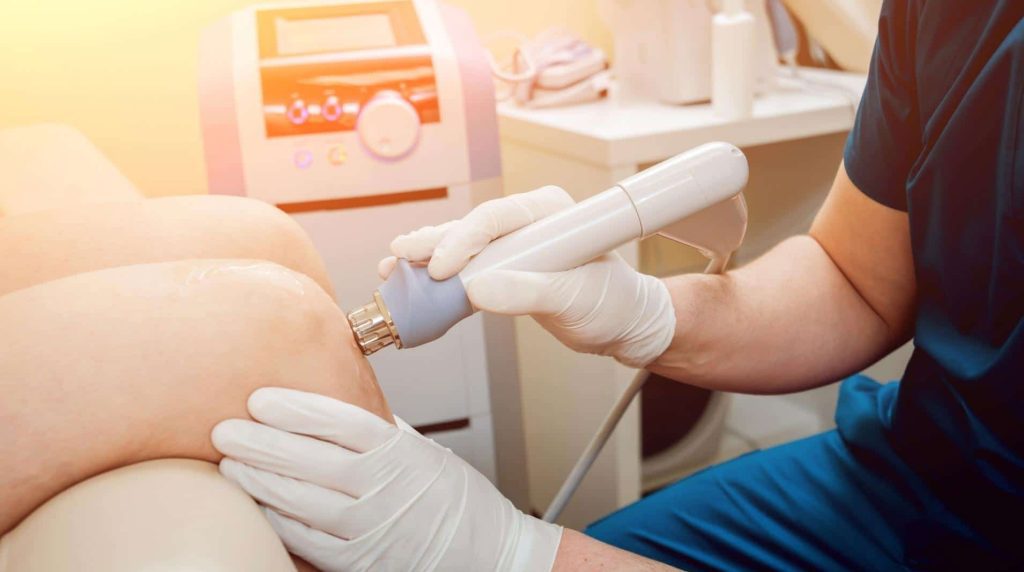
PBMT is a non-invasive treatment that uses therapeutic light at controlled wavelengths and doses. Unlike surgical lasers, it does not cut, burn or remove tissue. Treatment is comfortable, and sessions are usually brief, depending on the size and complexity of the area being treated.
Research into photobiomodulation has examined its effects on inflammation, pain signalling, blood flow and cellular energy production. In practice, the intended outcomes are practical: less pain, improved movement, better tolerance for daily activity and support for injured or irritated tissue as it recovers.
Results depend on the condition, its severity and how long it has been present. Acute injuries may respond differently from longstanding degenerative changes. A recent ankle sprain and a knee affected by established osteoarthritis should not be approached with identical expectations or treatment schedules. PBMT can be a valuable option within a broader management plan, but it is not a substitute for appropriate diagnosis, load management, exercise advice or specialist referral when those are needed.
Conditions that may be considered
A clinical assessment may identify PBMT as appropriate for a range of musculoskeletal and soft-tissue concerns. These can include neck and back pain, shoulder pain, tennis elbow, wrist and hand overuse injuries, hip pain, knee osteoarthritis, plantar fasciitis, Achilles tendinopathy, muscle strains, ligament sprains and some nerve-related pain presentations.
It may also be considered after injury when swelling, pain or reduced function is limiting rehabilitation. For active people, the goal is often a safe return to training or sport. For office workers, it may be improved tolerance for typing, driving or sitting through a workday. For older adults, success may mean walking more comfortably, managing stairs or sleeping with less interruption from pain.
The value of doctor-led assessment
Pain is not always benign. Sudden weakness, loss of bladder or bowel control, unexplained weight loss, fever, severe trauma, a hot swollen joint or new symptoms after cancer treatment require prompt medical assessment rather than a routine laser session. A responsible clinic must know when laser therapy is unsuitable, when it should be delayed and when a patient needs urgent investigation.
Doctor-led care also helps ensure treatment is matched to the person rather than just the body part. Your clinician should consider your medical history, medications, previous surgery, implanted devices, pregnancy status where relevant, skin sensation and any diagnosis already made by your GP, specialist or allied health practitioner.
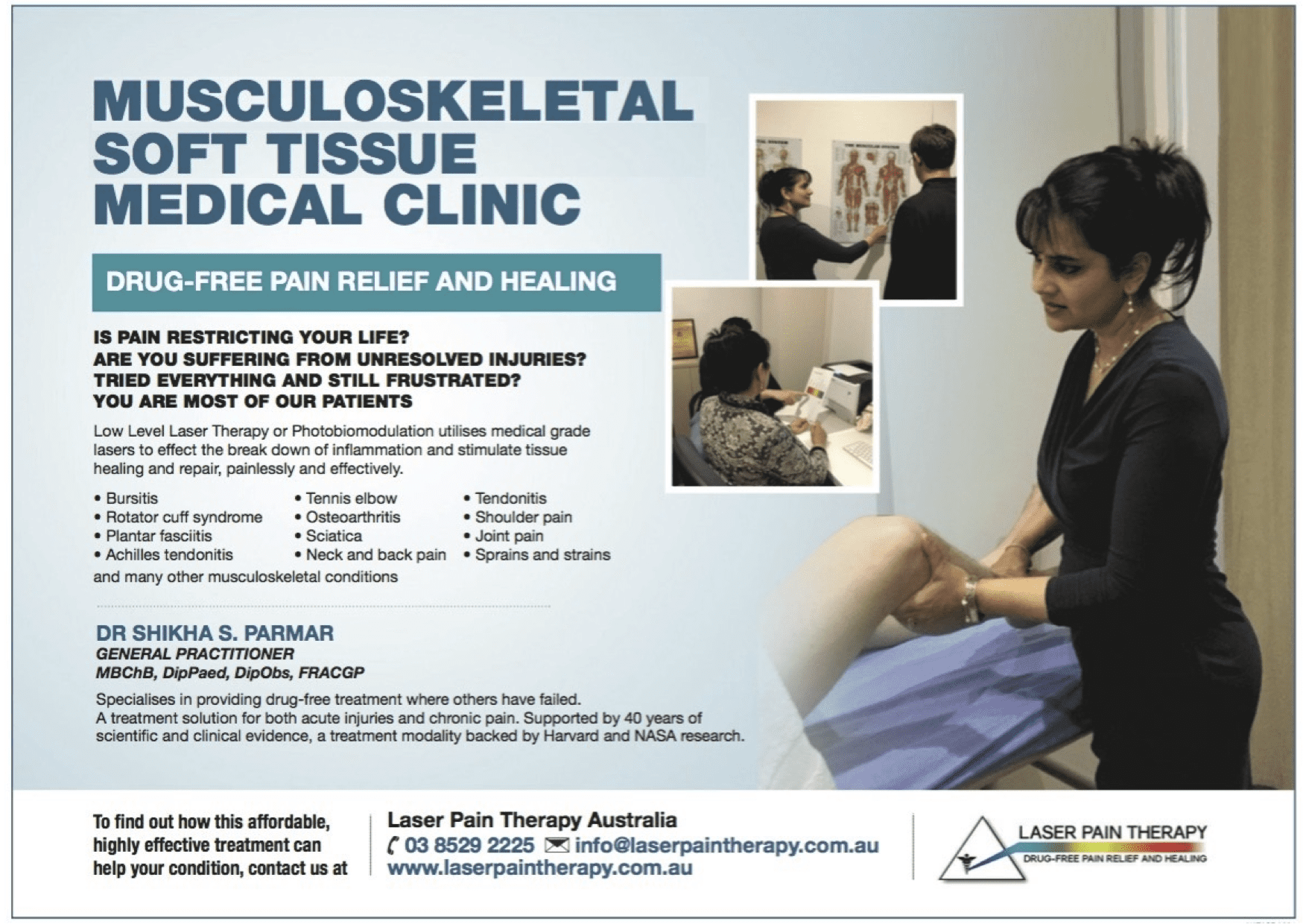
At Laser Pain Therapy, assessment and treatment planning are directed by Dr Shikha Parmar, with a focus on drug-free management for acute and chronic musculoskeletal pain. This medical oversight is especially reassuring for patients who have tried several approaches without lasting improvement and want a clearer plan for what to do next.
Questions to ask Melbourne laser clinics before booking
A good clinic will welcome informed questions and give straightforward answers. Before committing to a course of treatment, ask whether the service is designed for your specific condition, who will assess you, what device is used and how progress will be measured.
It is also reasonable to ask about the recommended number of sessions, total expected costs, possible limitations and what happens if symptoms do not improve. Transparent pricing and a structured review process matter. Pain management should not rely on open-ended appointments without a clear reason to continue.
You may also want to ask how the clinic works alongside your existing care. PBMT can often sit well beside a GP management plan, physiotherapy, carefully prescribed exercise or specialist advice. It should not pressure you to abandon treatments that are clinically necessary, nor should it promise to cure every condition.
Signs of a considered treatment plan
A thoughtful plan has a starting point and a way to judge change. Your clinician may track pain levels, range of motion, walking tolerance, grip strength, sleep disruption or ability to perform a task that has become difficult. These measures help distinguish meaningful functional progress from a brief fluctuation in symptoms.
The plan should also account for aggravating factors. If a tendon is repeatedly overloaded at work or a knee is being irritated by poor movement tolerance, laser treatment alone may provide incomplete relief. Advice on activity modification, gradual strengthening or referral for further assessment can make the difference between short-term improvement and sustained recovery.
Safety, expectations and informed choice
PBMT is well tolerated when delivered appropriately, but “non-invasive” does not mean every clinic or every treatment is the same. Appropriate eye protection, correct device settings, trained practitioners and individual screening are fundamental. A clinician should explain what you may feel during and after treatment, as well as any reason it may not be suitable for you.
Avoid claims that suggest a laser can regenerate every damaged joint, replace urgent medical care or guarantee permanent relief. Chronic pain is often influenced by tissue changes, nervous system sensitivity, sleep, stress, activity levels and other health conditions. Good care respects that complexity while remaining focused on achievable improvements.
For some people, PBMT may reduce pain sufficiently to make rehabilitation easier and decrease reliance on pain medicines. For others, the benefit may be more modest or may take several sessions to become clear. The appropriate decision is based on your diagnosis, your priorities and an honest discussion of likely outcomes.
Choosing care that supports function
The best Melbourne laser clinics do more than offer a machine-based service. They provide clinical reasoning, careful screening and a plan that relates directly to the life you want to get back to – whether that is lifting your grandchild, returning to the garden, completing a shift without constant discomfort or simply moving with greater confidence.
Persistent pain deserves more than a quick fix. Seek care that listens to the history behind your symptoms, explains the role of treatment clearly and measures progress in the activities that matter to you.
Contact us today to arrange your consultation and take the first step towards recovery.
Located in Melbourne
(03) 8529 2225 Contact Us