A painful shoulder that wakes you at night, a knee that objects to stairs, or a tendon that has not settled despite weeks of rest can make every treatment option feel urgent. When considering PBMT versus physiotherapy exercises, the most useful question is rarely which treatment is universally better. It is which approach addresses the main barrier to your recovery right now: pain and inflammation, reduced movement and strength, impaired tissue healing, or a combination of these.
Photobiomodulation Therapy, also called PBMT or low-level laser therapy, and physiotherapy exercises can both have an important place in musculoskeletal care. They work differently. One is a non-invasive treatment delivered to the affected tissues; the other uses carefully prescribed movement to restore capacity. For many people, they are complementary rather than competing options.
PBMT versus physiotherapy exercises: the key difference
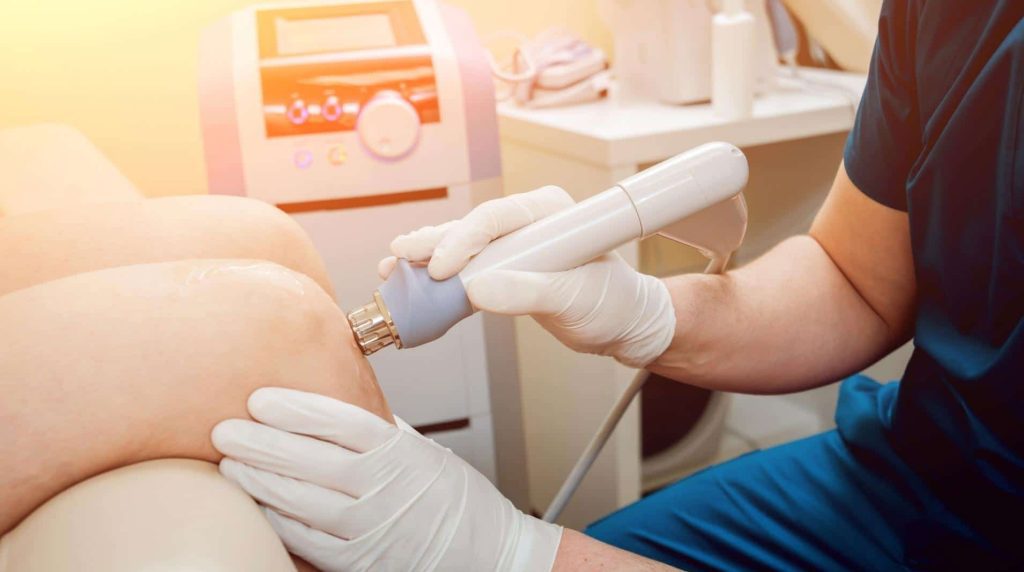
PBMT uses specific wavelengths of light to stimulate biological processes within cells. Delivered at therapeutic doses, this light energy is absorbed by cellular structures, including mitochondria, helping support cellular energy production and tissue repair processes. Clinical laser treatment is used to help reduce pain and inflammation, improve circulation and support healing in muscles, tendons, ligaments, joints and nerves.
A PBMT session is comfortable and does not require you to push through an exercise that currently aggravates symptoms. This can be particularly valuable when pain is high, movement is very limited, or an injury is too irritable to tolerate loading. It may also suit people looking for a drug-free, non-surgical option for persistent pain.
Physiotherapy exercises use movement and progressive loading to improve joint mobility, muscle strength, balance, coordination and confidence in daily activity. They are not simply stretches handed out after an appointment. When well prescribed, exercises should match the diagnosis, stage of healing, current function and the demands you need to return to, whether that is gardening, work at a desk, sport or keeping up with grandchildren.
PBMT can influence the painful or injured tissue environment. Exercise helps the body regain the ability to move and tolerate load. Neither should be treated as a shortcut or a one-size-fits-all answer.
When PBMT may be the more practical starting point
PBMT is often considered when pain is preventing useful rehabilitation. A person with acute neck pain may be unable to turn their head comfortably enough to perform mobility exercises. Someone with long-standing plantar fasciitis may find that each attempt at strengthening the foot and calf flares their heel pain for days. In these situations, reducing symptoms and supporting tissue recovery can create a more manageable starting point for movement.
It may also be appropriate for people who have not responded as expected to rest, medication or unsupervised exercise. Chronic pain is not always a sign that someone has failed to try hard enough. There may be persistent inflammation, tendon or soft-tissue irritation, joint degeneration, nerve sensitivity, poor load tolerance or an incomplete diagnosis contributing to the problem.
Common musculoskeletal presentations where PBMT may be used as part of care include osteoarthritis-related joint pain, tendinopathies, sprains and strains, shoulder pain, back and neck pain, repetitive strain injuries and sports injuries. The suitability, treatment area and number of sessions depend on the condition and clinical assessment.
PBMT is not designed to replace a medical diagnosis. New severe pain, significant swelling, fever, unexplained weight loss, progressive weakness, numbness, changes in bladder or bowel control, or pain after substantial trauma requires prompt medical assessment. A responsible treatment plan begins with making sure laser therapy is appropriate for the problem being treated.
When exercises are essential
Exercises become central when the goal is to restore what pain has taken away: range of motion, strength, stability, endurance and trust in the affected body part. A laser treatment can help settle a painful Achilles tendon, for example, but the tendon still needs gradual, appropriate loading to tolerate walking hills, returning to tennis or standing through a work shift.
The same principle applies to many conditions. Weak hip muscles can contribute to poor knee control. Stiffness after a shoulder injury can affect reaching and lifting. After an episode of low back pain, gradually rebuilding trunk, hip and general physical capacity can reduce the sense that ordinary activities are dangerous.
However, more exercise is not automatically better. Exercises should not routinely produce sharp pain, marked swelling or a prolonged flare that makes normal activity harder the next day. Some discomfort can be expected in rehabilitation, particularly when rebuilding strength after a persistent injury, but the response should be monitored and the programme adjusted rather than ignored.
A useful exercise plan is specific. It considers the movement that is limited, the tissues involved, your current pain level and your daily commitments. Generic online routines can be helpful for general fitness, but they may not account for a torn muscle, irritated nerve, severe arthritis or a tendon that is being loaded too quickly.
Why a combined plan is often more effective
The comparison between PBMT versus physiotherapy exercises becomes less useful when both treatments are indicated. PBMT may help reduce pain and inflammation enough for a person to move more comfortably. Targeted exercises can then build on that window of improved tolerance by restoring strength and function.
Consider a person with knee osteoarthritis who has stopped walking because stairs and longer distances are painful. PBMT may be used to help manage the pain and inflammatory component without relying solely on medication. Exercise can focus on quadriceps and hip strength, knee mobility, balance and gradual walking tolerance. The laser treatment does not erase structural changes in the joint, and exercise does not always quickly calm a painful flare. Together, they can address different parts of the recovery process.
For an acute sporting injury, the balance may be different. Early care may prioritise diagnosis, protection and symptom control. As healing progresses, mobility and progressive strengthening become increasingly important. For chronic tendon pain, the loading programme may be the long-term cornerstone, while PBMT can be considered to support symptom relief and tissue healing where clinically appropriate.
The order, intensity and duration of treatment should change as your condition changes. That is why individual assessment matters more than a fixed package of treatments.
What evidence-based care should look like
PBMT is a clinical modality, not a generic wellness service. Results depend on using the right wavelength, dosage, treatment area and schedule for the diagnosed condition. Under-dosing, treating the wrong area or applying a protocol that does not match the injury is unlikely to provide meaningful benefit.
Similarly, physiotherapy exercise is only as useful as its prescription and progression. A programme needs review when symptoms change, when function plateaus or when exercises no longer reflect your real-life goals. A person recovering from a wrist injury for computer work needs a different outcome from a person returning to manual work or competitive sport.
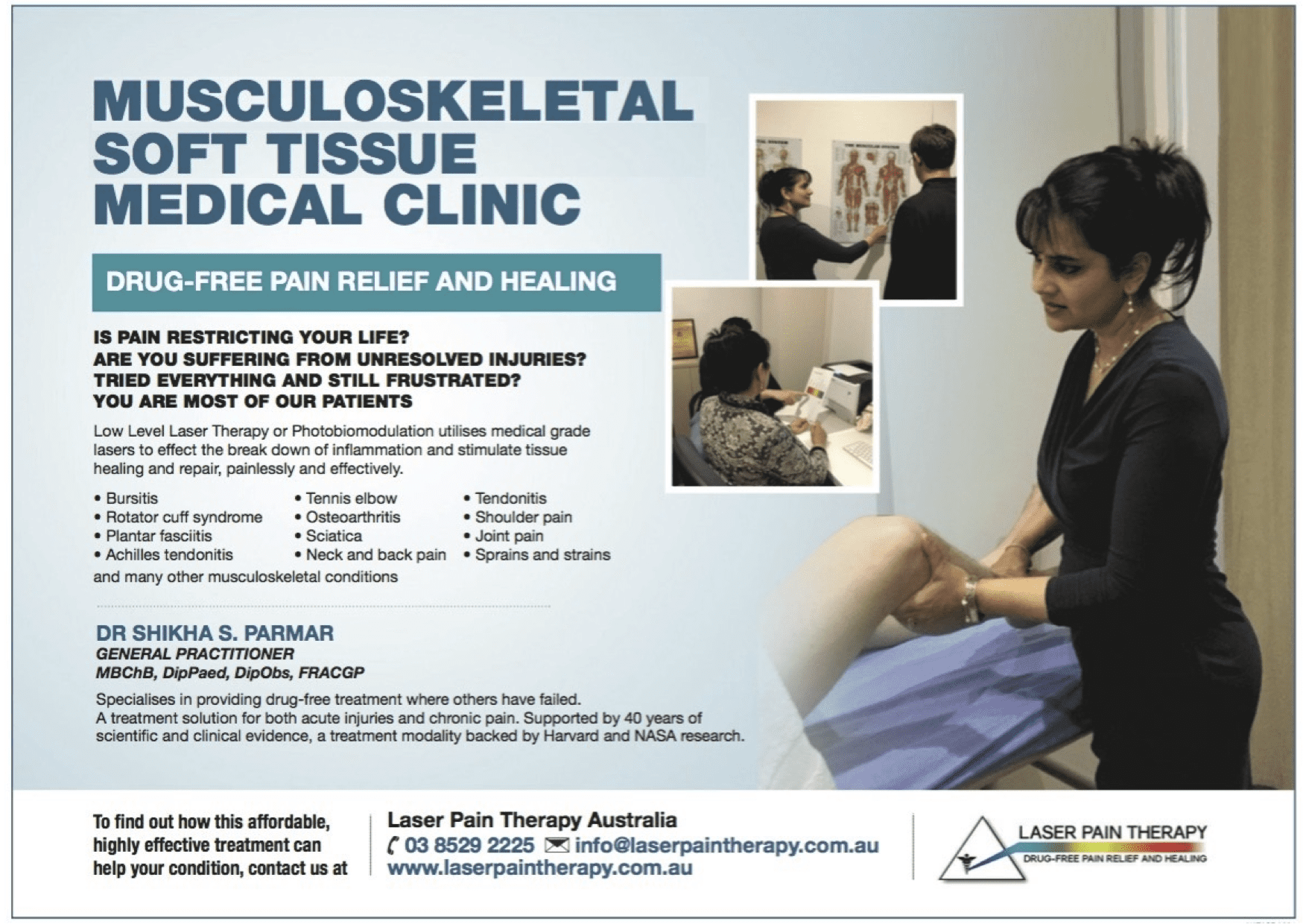
At Laser Pain Therapy, medically supervised assessment and diagnosis review help determine whether PBMT is suitable and how it may fit into a broader recovery plan. This is particularly relevant for people with persistent pain, multiple contributing factors or a history of treatment that has not delivered lasting improvement.
Choosing the right approach for your situation
Start with the problem you need solved. If pain is so prominent that movement is difficult, PBMT may help make rehabilitation more tolerable. If pain has settled but weakness, stiffness or fear of movement remains, a progressive exercise plan deserves greater emphasis. If both symptoms and function are limiting you, a combined approach may be the most sensible option.
Your preferences matter as well. Some people need a pain-relieving treatment that lets them stay active at work while they build capacity. Others are ready to focus on structured rehabilitation but want to minimise medicines or avoid invasive procedures. Age alone does not determine suitability: children, active adults and older people can all require tailored plans based on their condition, health history and goals.
The practical aim is not to choose a winner between laser therapy and exercise. It is to reduce pain safely enough that your body can move, strengthen and return to the activities that make life feel normal again.
Contact us today to arrange your consultation and take the first step towards recovery.
Located in Melbourne
(03) 8529 2225 Contact Us