
Pain that keeps returning after work, interrupts sleep, or makes you avoid a walk, a game of golf or lifting a child deserves more than repeated self-management. Many people ask, when should chronic pain be assessed? The short answer is sooner than you may think – particularly when pain is affecting function, changing your routine, or failing to improve as expected.
Chronic pain is commonly defined as pain that lasts beyond normal tissue healing, often for three months or longer. But waiting three months is not always appropriate. A new injury with severe symptoms, nerve-related features, or a steady loss of movement should be medically assessed promptly. Early assessment can clarify what may be driving the pain, identify conditions that need urgent care, and create a practical plan for recovery.
When should chronic pain be assessed?
Arrange a clinical assessment if pain has persisted for several weeks without meaningful improvement, recurs frequently, or is becoming harder to manage. This is especially relevant for back pain, neck pain, shoulder injuries, knee or hip pain, tendon problems, arthritis-related symptoms, repetitive strain injuries and sporting injuries.
Pain does not need to be unbearable to warrant attention. A dull ache that gradually limits sleep, concentration, exercise or household tasks can have a significant effect on health and independence. Continuing to push through may alter movement patterns, weaken surrounding muscles and place extra load on other joints.
Assessment is also sensible when you are relying regularly on pain medicines to get through the day. Medication can be useful in some circumstances, but ongoing or escalating use should prompt a review of the underlying cause and the broader treatment approach. A doctor can consider medication safety, diagnosis, contributing factors and non-drug treatment options.
Do not wait for the three-month mark if symptoms are worsening
The three-month definition helps clinicians describe persistent pain, not decide who deserves care. A painful shoulder that becomes progressively stiffer over four weeks, a knee that repeatedly swells after activity, or back pain that is stopping you from working may benefit from assessment well before it is labelled chronic.
Similarly, pain after an injury should be reviewed if it is not following a reasonable recovery pattern. Sprains, strains and overuse injuries can take time to settle, but the trend matters. Improvement may be gradual, yet there should usually be some progress in pain, strength, movement or tolerance for activity. If there is no progress, a diagnosis review is worthwhile.
Symptoms that need urgent medical attention
Most musculoskeletal pain is not an emergency. However, certain symptoms can indicate a condition requiring urgent assessment. Seek urgent medical care, or call emergency services where appropriate, if pain occurs with:
- new weakness, numbness around the groin or buttocks, or loss of bladder or bowel control
- chest pain, shortness of breath, sweating, nausea or pain spreading to the jaw, arm or back
- fever, chills, marked redness or warmth around a joint, particularly if you feel unwell
- a visibly deformed limb, inability to bear weight after trauma, or severe swelling
- unexplained weight loss, persistent night pain, or pain associated with a history of cancer
- sudden severe headache, confusion, facial weakness or difficulty speaking.
These signs do not automatically mean a serious condition is present, but they should not be managed with home remedies alone. Prompt assessment helps rule out infection, fracture, neurological compromise, cardiovascular causes and other time-sensitive problems.
What a chronic pain assessment should look at
A useful assessment is more than identifying where it hurts. It considers the nature of the pain, how it began, the tissues and joints involved, aggravating activities, previous injuries, work demands, sleep, medical history and treatments already tried.
A doctor may review previous scans, pathology results and specialist reports where available. Imaging can be helpful when it answers a specific clinical question, but it is not always necessary. Scans frequently show age-related changes that may not be the true source of symptoms. The clinical history and physical examination remain essential for interpreting any test result in context.
The assessment should also examine function. Can you climb stairs, turn your head while driving, type at your desk, sleep comfortably, exercise, or return to sport? Functional goals make treatment more meaningful than simply chasing a number on a pain scale.
For persistent pain, clinicians also consider whether the nervous system has become more sensitive. This does not mean the pain is imagined. It means pain signalling can remain heightened after an injury or inflammation has settled, and recovery may require a carefully paced combination of movement, tissue treatment, education and symptom management.
Why a clear diagnosis review matters
People often arrive for care with a broad label such as “wear and tear”, “a trapped nerve” or “inflammation”. Those descriptions can be a starting point, but they may not explain why pain persists or which treatment is most appropriate.
For example, outer hip pain may relate to gluteal tendon overload rather than the hip joint itself. Ongoing elbow pain may be linked to tendon changes and repetitive gripping. A painful knee may involve osteoarthritis, but weakness, altered gait and reduced confidence in movement can also be contributing to the limitation.
A diagnosis review helps distinguish between problems that need protection or referral and those that can be managed conservatively. It also prevents a one-size-fits-all approach. Rest may help briefly after an acute flare, yet too much rest can reduce strength and tolerance. Exercise is often valuable, but the type, intensity and timing need to suit the condition and the person.
Treatment planning for persistent musculoskeletal pain
The best plan depends on the diagnosis, symptom duration, health history and personal goals. For some people, this may involve guided exercise, activity modification, ergonomic changes, weight management support, physiotherapy, medication review or referral to another specialist. When inflammation, soft-tissue injury or pain-limited movement is a major issue, non-invasive treatment may also have a role.
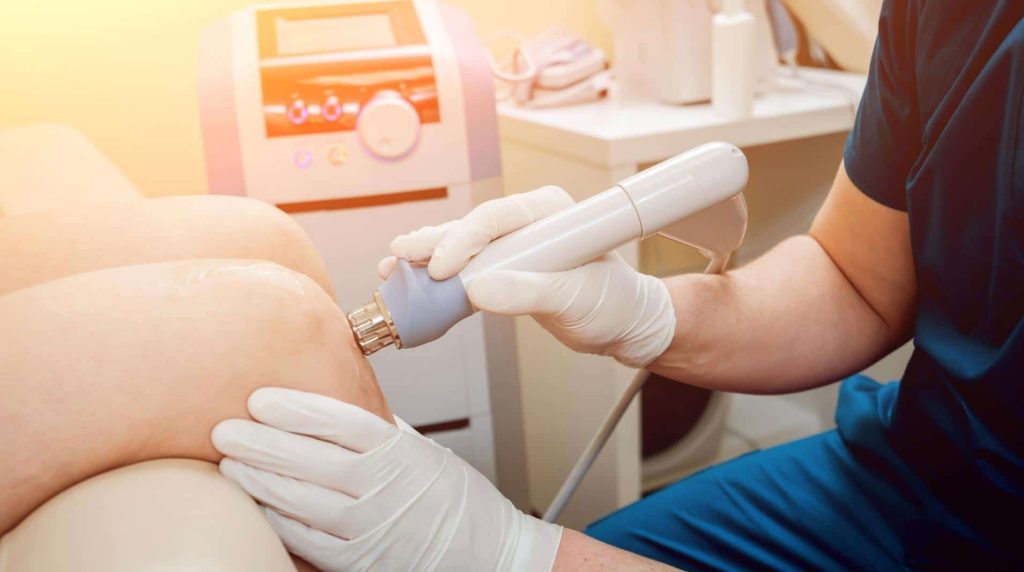
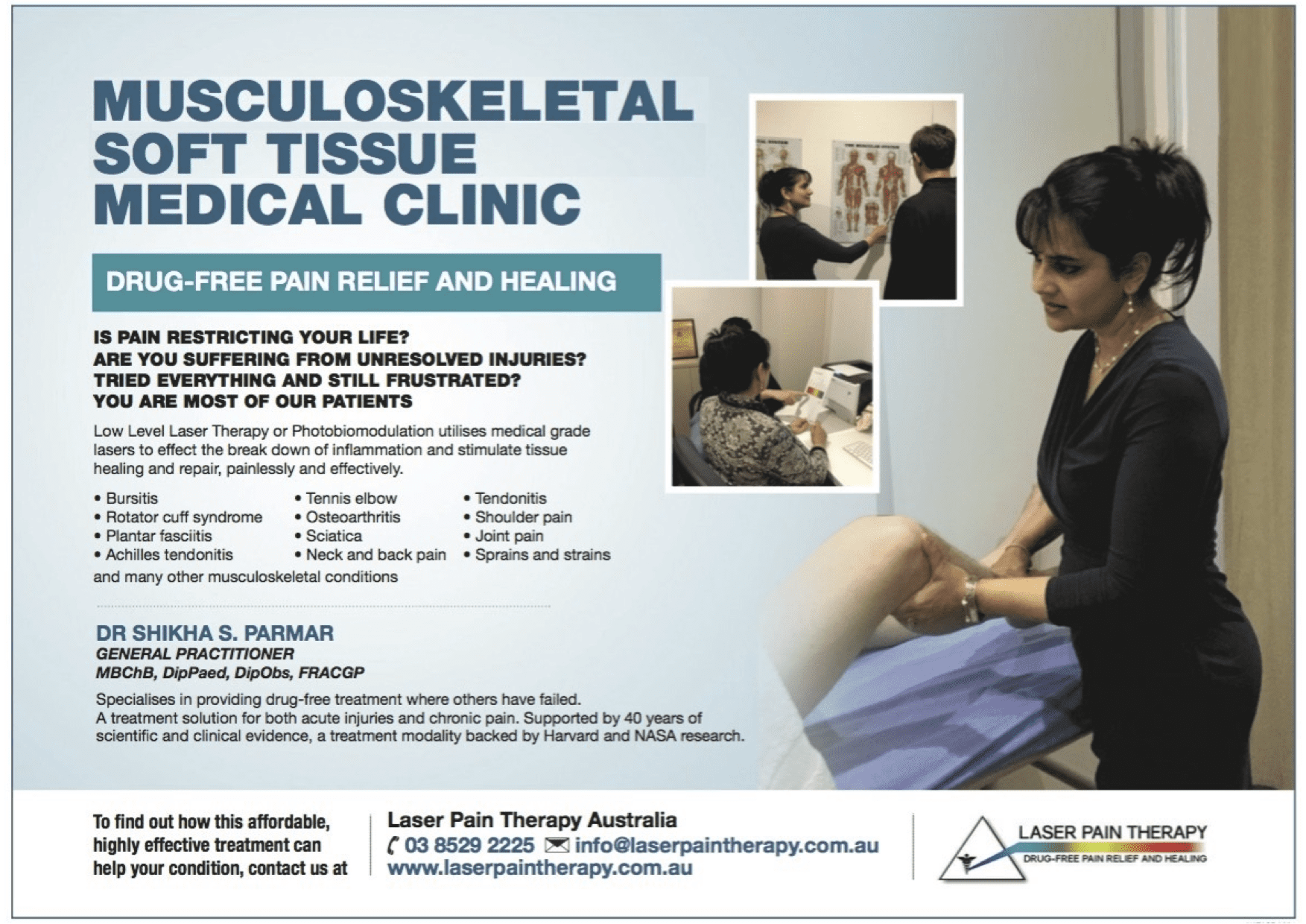
Photobiomodulation Therapy, also known as Low-Level Laser Therapy, uses specific wavelengths of light to support cellular activity in targeted tissue. In appropriate clinical settings, it may help reduce inflammation and pain while supporting tissue repair and improved function. It is comfortable, drug-free and non-invasive, making it an option for people seeking to reduce reliance on medicines or avoid more invasive treatment where clinically suitable.
However, laser therapy is not a substitute for proper assessment. It should follow a clear diagnosis review and sit within an individualised management plan. Treatment frequency, expected response and progress measures should be explained clearly. A responsible provider will also identify when laser treatment is not the right first step and when further investigation or referral is needed.
At Laser Pain Therapy, doctor-led consultations and personalised treatment planning are designed to address both the symptoms and the factors keeping musculoskeletal pain active. This approach is particularly useful for people who have tried standard measures without regaining the movement or confidence they need for daily life.
Preparing for your appointment
You do not need to arrive with a perfect explanation of your pain. It is helpful, though, to note when symptoms began, what makes them better or worse, whether pain travels, and how it affects sleep and activity. Bring relevant scan reports, medication details and information about previous treatments if you have them.
Be specific about what you want to return to. Perhaps it is walking the dog without stopping, getting through a shift without a flare-up, gardening at the weekend, or playing with grandchildren on the floor. These details help shape realistic treatment goals and show whether your plan is working.
Persistent pain can gradually shrink a person’s world. Seeking assessment is not overreacting – it is a practical step towards understanding the problem, protecting your function and giving recovery a clearer direction.
Contact us today to arrange your consultation and take the first step towards recovery.
Located in Melbourne
(03) 8529 2225 Contact Us