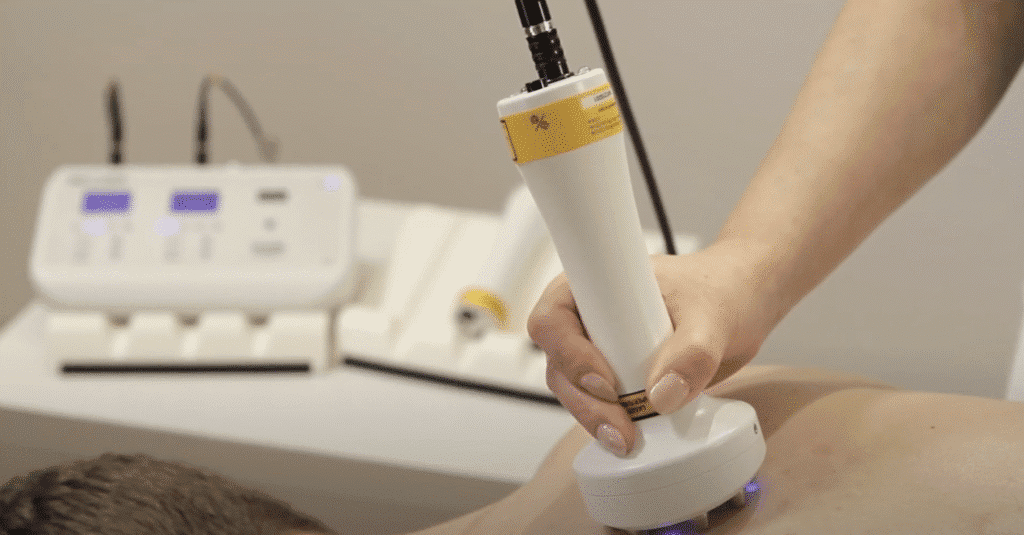
A tendon that continues to ache after a run, a stiff arthritic knee, or a shoulder that will not settle after repetitive work can make recovery feel frustratingly slow. Understanding how PBMT supports tissue repair helps explain why this non-invasive treatment may be included in a medically guided plan for musculoskeletal pain, injury and reduced mobility.
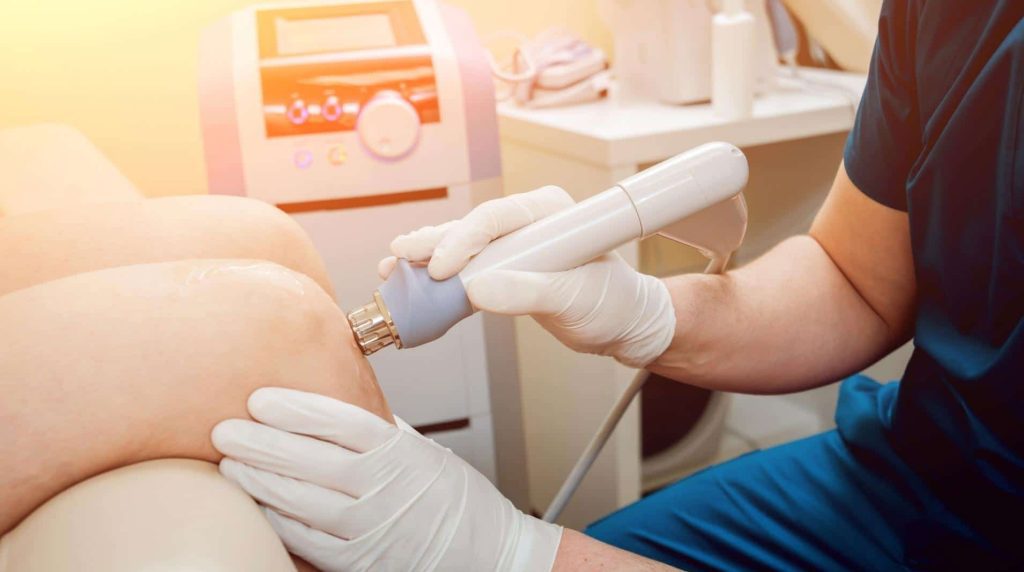
Photobiomodulation Therapy (PBMT), also called Low-Level Laser Therapy (LLLT), uses specific wavelengths of red and near-infrared light to influence biological processes in cells. It is not surgery, and it does not heat or damage tissue in the way a surgical laser does. The aim is to support the body’s repair response, reduce pain and inflammation, and help injured tissue function more effectively as it recovers.
How PBMT supports tissue repair at a cellular level
Repair begins well before a person notices less pain. After an injury or during ongoing tissue irritation, cells need energy to regulate inflammation, build new tissue and restore normal movement. PBMT delivers light energy to the treatment area, where it is absorbed by light-sensitive components within cells.
One proposed mechanism involves the mitochondria, often described as the energy-producing structures within cells. Research indicates that appropriate laser wavelengths can influence mitochondrial activity, supporting the production of adenosine triphosphate (ATP). ATP is the energy source cells use for everyday tasks, including protein production, cell signalling and tissue renewal.
PBMT may also influence nitric oxide and low-level reactive oxygen species signalling. These processes are involved in circulation, inflammation and cellular communication. The result is not an instant replacement of damaged tissue. Rather, the treatment is intended to create a more favourable biological environment for the body’s own healing processes.
The dose matters. Too little light may not produce a meaningful response, while more is not automatically better. The appropriate wavelength, power, treatment duration and number of sessions depend on the condition being treated, the depth of the target tissue and the person’s clinical presentation. This is why treatment should be planned rather than approached as a generic wellness session.
Supporting the stages of healing
Tissue healing is often described in overlapping phases: inflammation, repair and remodelling. PBMT can be used at different points in this process, but the clinical goal changes according to the stage of injury.
Early injury: managing inflammation without stopping healing
Inflammation is not inherently harmful. It is an essential early response that helps clear damaged material and signals the body to begin repair. Problems arise when inflammation is excessive, prolonged or contributing to persistent pain and swelling.
PBMT may help modulate inflammatory activity rather than simply suppressing it. For someone with a recent sprain, muscle strain or flare-up of tendon pain, this may assist with swelling, sensitivity and pain while the tissue begins to recover. Reduced discomfort can also make it easier to maintain safe movement, rather than guarding the area completely.
Repair: supporting cells that rebuild tissue
During the repair phase, specialised cells produce collagen and other components of the extracellular matrix. Collagen is particularly relevant in tendons, ligaments, skin and other connective tissues. Blood vessels also play a role by supplying oxygen and nutrients to the healing area.
Laboratory and clinical research suggests PBMT can support fibroblast activity, collagen production and microcirculation under appropriate treatment parameters. These effects are relevant to injuries where tissue quality and gradual loading matter, including tendinopathy, ligament sprains and muscle injuries.
However, PBMT is not a substitute for sound rehabilitation. A painful Achilles tendon, for example, is unlikely to recover well through passive treatment alone. Laser therapy may reduce pain and support tissue recovery, while carefully prescribed strengthening and load management help the tendon regain capacity for walking, stairs, work and sport.
Remodelling: restoring useful movement and strength
New tissue initially lacks the organised strength of mature tissue. Over time, collagen fibres adapt to the stresses placed on them. This remodelling stage can take weeks or months, particularly for tendons, ligaments and chronic injuries.
PBMT may help reduce pain that otherwise limits participation in rehabilitation. When pain settles enough for a person to move more normally, complete exercises and gradually increase activity, the whole recovery plan becomes more achievable. This is a practical benefit for people whose symptoms have persisted despite rest, medication or previous treatment.
Conditions where tissue support may matter
PBMT is commonly considered for musculoskeletal conditions involving pain, inflammation or slow tissue recovery. These can include muscle strains, joint sprains, tennis elbow, rotator cuff-related shoulder pain, plantar fasciitis, Achilles tendinopathy, knee pain, osteoarthritis and repetitive strain injuries.
It may also be helpful where nerve irritation is contributing to pain, such as some cases of neck or back pain with referred symptoms. The clinical assessment is important because similar symptoms can have very different causes. A stiff shoulder may reflect tendon irritation, joint arthritis, bursitis, cervical referral or a combination of factors. Treating the correct tissue and addressing the broader cause of pain gives PBMT a clearer role within care.
For chronic conditions, the purpose is often not to claim that ageing or degeneration can be reversed. Instead, treatment may aim to reduce inflammatory pain, improve movement tolerance and support a person’s ability to remain active. For an individual with knee osteoarthritis, that can mean walking more comfortably, managing stairs with greater confidence or reducing reliance on pain medicines.
What treatment feels like and what to expect
PBMT treatment is comfortable. The laser device is applied to the skin over the relevant area, with the session tailored to the size, depth and nature of the condition. Protective eyewear is used during treatment.
Some people notice reduced pain or easier movement after the first few sessions, particularly where acute inflammation is present. Long-standing conditions usually require a more gradual approach. A chronic tendon problem or osteoarthritic joint has often developed over months or years, so meaningful improvement may require a course of treatment alongside appropriate activity modification and rehabilitation.
Response varies. Factors such as the severity of injury, duration of symptoms, sleep, diabetes, smoking status, nutrition, work demands and ability to follow a rehabilitation plan can all influence recovery. A treatment plan should therefore be reviewed over time rather than judged only by one session.
Why medical assessment matters
Pain can be a symptom of a straightforward soft-tissue injury, but it can also indicate a fracture, significant tear, infection, inflammatory disease or another condition requiring different care. A thorough assessment helps identify when PBMT is appropriate and when imaging, medication, referral or urgent management is needed instead.
PBMT is well tolerated across age groups when delivered appropriately, but it is not suitable for every situation. Active cancer at the treatment site, photosensitivity and certain medical circumstances require specific caution and clinical advice. Direct treatment over the eyes is avoided. People who are pregnant, have a history of cancer, use photosensitising medicines or have an unexplained new symptom should discuss this with their treating clinician before commencing therapy.
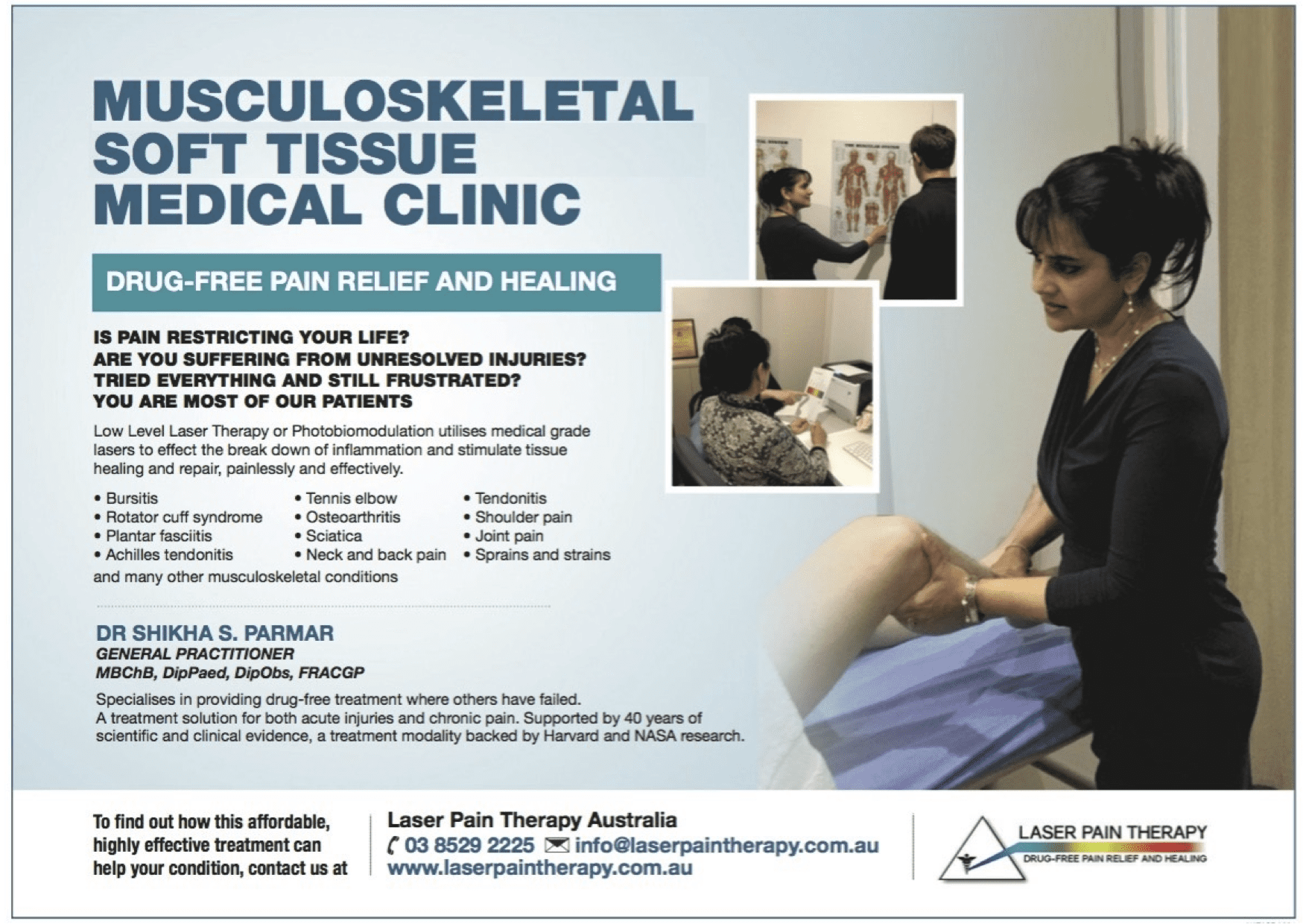
At Laser Pain Therapy, doctor-led assessment and personalised planning allow treatment to be matched to the diagnosis, not just the location of pain. This is particularly valuable when symptoms are persistent, recurrent or affecting daily function.
PBMT works best when it is viewed as part of a sensible recovery plan: accurate diagnosis, appropriately dosed laser therapy, progressive movement and practical changes that protect the healing tissue. If pain is preventing you from doing the things that help you recover, a clinically guided, drug-free option may provide the breathing room your body needs to repair.
Contact us today to arrange your consultation and take the first step towards recovery.
Located in Melbourne
(03) 8529 2225 Contact Us