Sciatica can make ordinary movements unexpectedly difficult: getting out of a car, sitting through a work meeting, walking the dog or sleeping comfortably. Sciatica treatment outcomes depend less on finding one quick fix and more on identifying what is irritating the nerve, how long symptoms have been present and whether treatment addresses both pain and function.
Sciatica is a pattern of symptoms rather than a diagnosis by itself. It usually involves pain that travels from the lower back or buttock into the leg, sometimes reaching the calf or foot. Tingling, numbness, burning or weakness may accompany the pain. For many people, symptoms improve with appropriate conservative care. For others, particularly those with persistent nerve irritation or an underlying spinal condition, recovery requires a more structured and medically guided plan.
What do sciatica treatment outcomes look like?
A meaningful outcome is not simply a lower pain score for a day or two. It is being able to walk further, sit with less discomfort, return to work tasks, sleep more soundly and move with greater confidence. The pace of improvement varies considerably.
Acute sciatica may settle over several weeks, particularly when it is linked to temporary inflammation or mechanical irritation around a spinal nerve. Persistent sciatica can take longer, especially where symptoms have been present for months, recur regularly or are associated with disc changes, spinal narrowing, osteoarthritis or reduced conditioning.
Complete symptom resolution is possible, but it should not be promised to every patient. Some people achieve full relief, while others make substantial gains in pain control, mobility and daily function despite occasional flare-ups. The most useful treatment goal is individual: reducing nerve sensitivity, restoring capacity and helping the patient return to the activities that matter to them.
Why recovery differs from person to person
The cause of sciatic pain strongly influences treatment decisions and expected results. A lumbar disc bulge or herniation may irritate a nerve root. Spinal stenosis, where the spaces around nerves become narrower, can produce symptoms that are more noticeable with standing or walking. Degenerative joint changes, muscle tension around the pelvis and prior injury may also contribute.
Duration matters too. When pain has persisted, the nervous system can become more sensitive and protective movement patterns may develop. This does not mean the pain is not real or that recovery is impossible. It means treatment may need to address more than the original tissue irritation, including strength, mobility, sleep, activity tolerance and confidence with movement.
Other factors can influence progress, including age, general health, workload, smoking status, diabetes, weight, stress and the physical demands of sport or employment. These are not reasons to blame a patient for ongoing pain. They help clinicians tailor realistic treatment plans and identify barriers that may need support.
The value of a clear assessment
Because leg pain can arise from several structures, an accurate assessment is essential before starting treatment. A clinician should review the pattern of symptoms, neurological signs, medical history and previous imaging where relevant. Scans can be useful, but an image alone does not determine how much pain someone will have or which treatment will work best.
A doctor-led assessment can also identify when urgent investigation is required. New or worsening leg weakness, loss of bladder or bowel control, numbness around the saddle area, fever, unexplained weight loss or pain following significant trauma requires prompt medical attention. These symptoms should not be managed as routine sciatica.
Treatments that may shape sciatica outcomes
Conservative treatment is usually the first approach when there are no urgent neurological concerns. Staying gently active, rather than prolonged bed rest, is often helpful. The right level of activity depends on symptoms: short walks, carefully progressed exercises and changes to sitting, lifting and sleeping positions can help maintain movement without repeatedly aggravating the nerve.
Physiotherapy-guided rehabilitation may improve trunk strength, hip control and tolerance for everyday movement. Some patients benefit from manual therapy as part of a broader program, while others require a more gradual approach because their nerve is highly irritable. Exercise should be progressed according to response, not forced through sharp or spreading leg pain.
Medicines may have a limited role for some people, particularly during a severe flare, but they can bring side effects and do not resolve the mechanical or inflammatory drivers in every case. Injections may be considered in selected circumstances, often when pain is severe enough to prevent rehabilitation. Surgery can be highly appropriate for particular conditions, such as significant progressive weakness or persistent symptoms caused by a disc problem that has not responded to conservative care. It is not automatically the next step for every episode of sciatica.
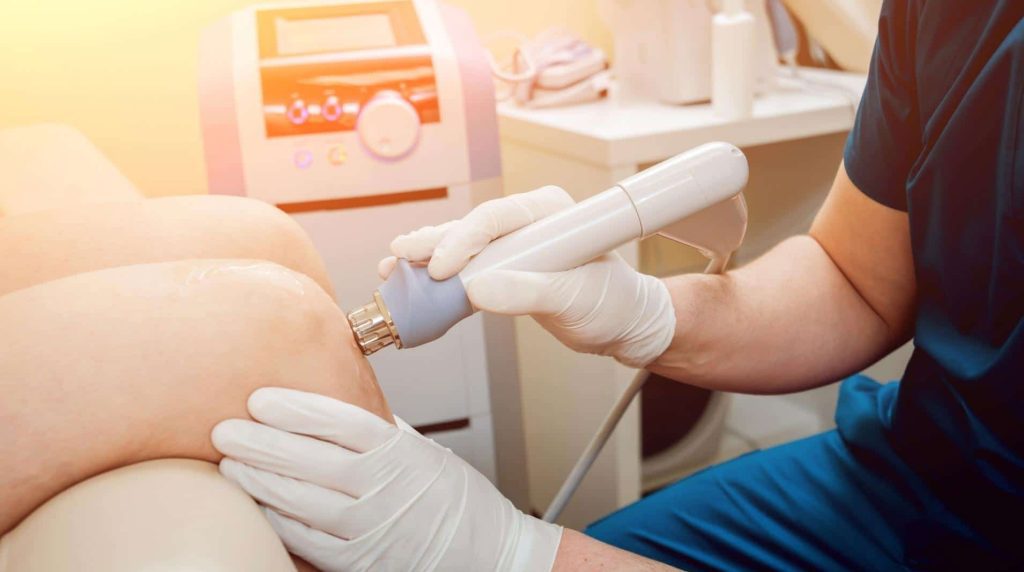
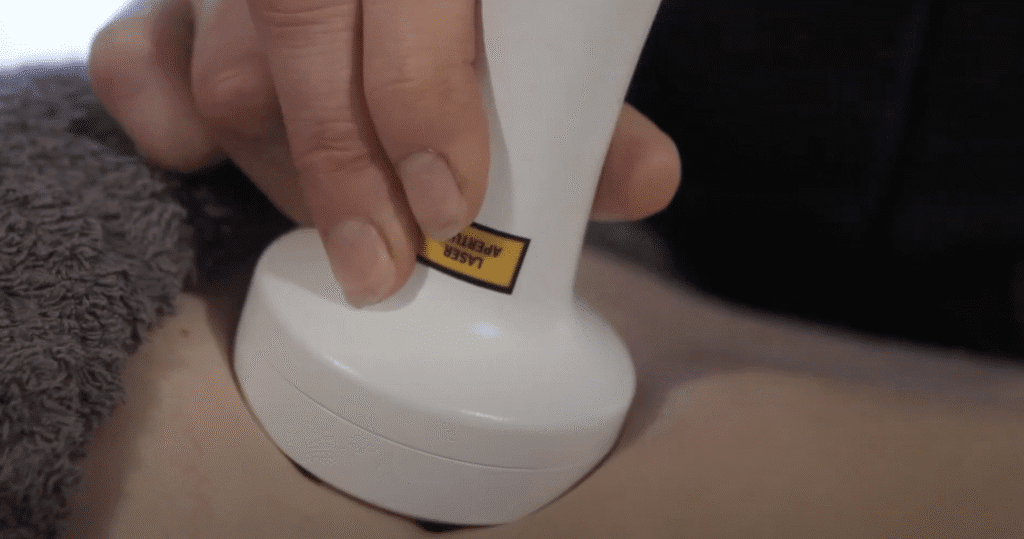
Photobiomodulation Therapy, also called Low-Level Laser Therapy, may be considered as a non-invasive option within an individualised pain management plan. PBMT uses specific wavelengths of light to support cellular processes involved in inflammation modulation and tissue repair. For musculoskeletal pain, the aim is to reduce pain sensitivity and support functional recovery without medication or surgery.
Research into laser therapy for lower back pain and related musculoskeletal conditions is encouraging, though outcomes depend on the diagnosis, treatment parameters and the wider rehabilitation plan. It should not be presented as a substitute for urgent medical assessment, nor as a guaranteed cure for nerve compression. When clinically appropriate, it may help some patients tolerate movement and rehabilitation more comfortably.
At Laser Pain Therapy, treatment planning begins with a GP-led consultation and diagnosis review. This helps ensure laser treatment is directed at the relevant tissues and used alongside practical advice for recovery, rather than delivered as a one-size-fits-all wellness service.
Measuring progress beyond pain alone
Pain can fluctuate, particularly in the early stages of recovery. A temporary increase after a longer walk, a demanding shift or an awkward movement does not always mean treatment has failed. What matters is the overall trend: are flare-ups becoming less frequent, shorter or easier to settle? Is walking distance improving? Can the person sit, drive or sleep more comfortably?
Tracking these functional measures provides a more accurate picture of sciatica treatment outcomes than pain alone. It can also guide decisions about whether to continue, modify or escalate care. A plan that produces no meaningful change after an appropriate trial should be reviewed rather than continued indefinitely.
Patients often benefit from recording a few simple markers each week, such as leg pain intensity, numbness, walking tolerance, sleep disruption and the activities they can complete. This information helps the treating clinician distinguish normal variation from genuine deterioration.
Avoiding common setbacks
Rest is sometimes necessary during a severe flare, but extended inactivity can reduce strength and make the back and legs more sensitive to loading. At the other extreme, trying to resume heavy lifting, running or long periods of sitting too quickly can prolong symptoms. Graduated exposure is usually more effective than either complete avoidance or pushing through significant nerve pain.
Ergonomic changes can also make a practical difference. For office workers, this may mean regularly changing position rather than searching for a perfect chair. For active people, it may involve temporarily adjusting training volume and rebuilding strength before returning to high-impact or rotational activities. The correct approach depends on the person’s symptoms, occupation and goals.
When to reconsider the plan
Seek a medical review if symptoms are worsening, weakness is developing, pain is not responding to an appropriate conservative plan or daily function continues to decline. Persistent sciatica deserves more than repeated short-term symptom management. A review may identify a different diagnosis, a need for further investigation or a treatment option better suited to the underlying cause.
Recovery from sciatica is rarely a straight line, but progress is still possible when care is matched to the cause, monitored carefully and built around the movements that give life its independence.
Contact us today to arrange your consultation and take the first step towards recovery.
Located in Melbourne
(03) 8529 2225 Contact Us