A Practical Guide to Chronic Tendon Pain
A sore Achilles when you first step out of bed, a painful elbow when lifting the kettle, or a shoulder that protests every time you reach overhead can gradually become part of daily life. This guide to chronic tendon pain explains why these injuries can linger, what a proper assessment should investigate, and how a structured, drug-free treatment plan can support a return to movement.
What chronic tendon pain usually means
Tendons are strong bands of connective tissue that transfer force from muscle to bone. They make walking, gripping, climbing stairs, reaching and sport possible. When a tendon is exposed to more load than it can currently tolerate, it may become painful and less able to perform its usual role.
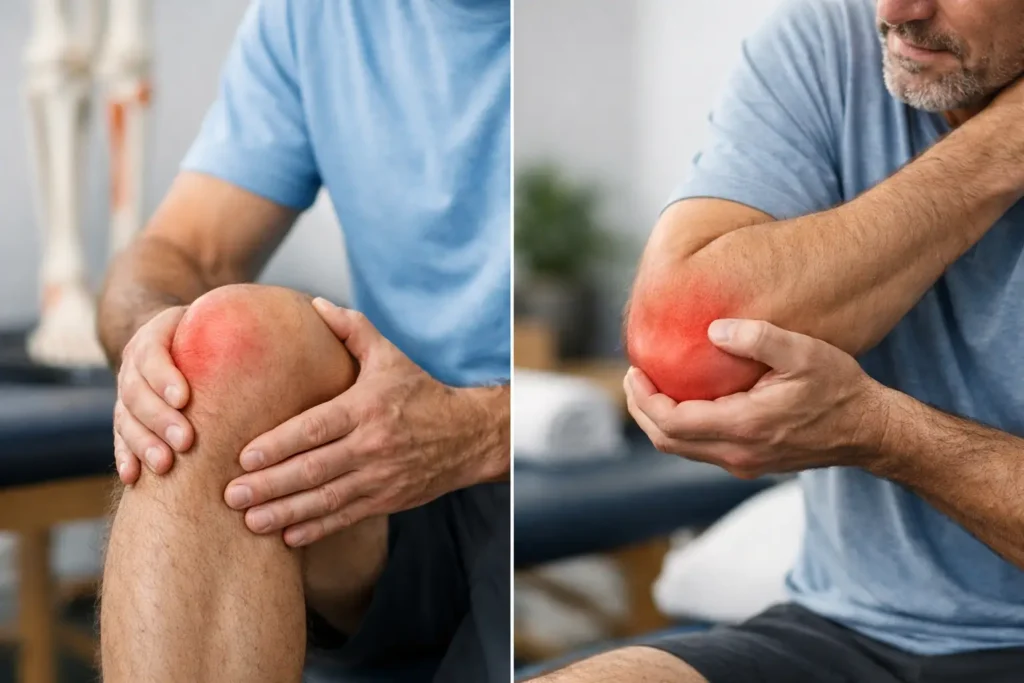
Persistent tendon pain is often called tendinopathy. You may also hear terms such as tendinosis, tennis elbow, golfer’s elbow, rotator cuff tendinopathy, patellar tendinopathy or plantar fasciopathy. Although the location differs, the underlying pattern is often similar: the tendon has not adapted well to repeated strain, changed activity levels, reduced strength, or inadequate recovery.
The word “tendonitis” suggests inflammation, but chronic tendon pain is not always driven by ongoing inflammation alone. In many cases, the tendon structure and the way the nervous system processes pain have both changed over time. This is one reason that simply resting until pain settles, then returning immediately to previous activity, often does not solve the problem.
Why tendon pain can persist for months
Tendon recovery is rarely linear. A person may feel better for a week, increase walking, gardening, gym training or work duties, then experience a flare. That does not necessarily mean the tendon has been newly damaged. More often, it means the activity exceeded its current capacity.
Several factors can keep symptoms going. Repetitive physical demands are common, particularly for runners, tradies, office workers with long periods of mouse use, and people whose work involves lifting or standing. A sudden increase in training volume, hills, speed work or court sport can also be enough to trigger symptoms.
Ageing, reduced muscle strength, joint stiffness, altered movement patterns and poor recovery can all contribute. Some medical conditions and medications may also affect tendon health. For example, diabetes, inflammatory arthritis, high cholesterol and certain antibiotics can be relevant. A thorough clinician will consider the whole picture rather than treating a painful spot in isolation.
Pain intensity does not always match the degree of tissue change. A tendon can be very sore while still being appropriate to gradually load, while a tendon that feels relatively manageable may require closer review if there has been a sudden loss of function. That distinction is why self-diagnosis can be misleading.
When chronic tendon pain needs medical review
Most tendon problems are not emergencies, but prompt assessment is sensible when pain has continued beyond several weeks, is limiting work or sleep, or has not improved with sensible activity modification. A diagnosis review is particularly valuable when the original diagnosis was made without examining the joint, spine, muscle strength and movement around the painful area.
Seek urgent medical attention for a sudden pop, significant bruising, marked swelling, inability to bear weight or use a limb, fever, a hot red joint, or new numbness and weakness. These symptoms can point to conditions other than routine tendinopathy, including tendon rupture, infection, fracture or nerve involvement.
A clinical assessment may include your activity history, previous injuries, medical conditions, medications, pain behaviour and functional goals. Imaging can sometimes be useful, but a scan should support clinical reasoning rather than replace it. Tendon changes are common on imaging, including in people without pain.
A practical guide to chronic tendon pain management
Treatment aims to reduce pain enough to restore normal movement while progressively improving the tendon’s ability to tolerate load. The correct plan depends on the tendon involved, symptom duration, occupation, fitness level and any contributing health conditions.
Adjust load without stopping life completely
Complete rest can reduce symptoms in the short term, but prolonged avoidance may reduce strength and confidence. The usual approach is relative rest: temporarily reducing the aggravating activity while maintaining movement that the tendon can tolerate.
For an Achilles problem, that might mean shortening walks, avoiding hills for a period and choosing a flatter route. For painful tennis elbow, it could mean changing lifting technique, reducing repetitive gripping and taking breaks from prolonged computer use. The aim is not to push through sharp or escalating pain, but to find a manageable baseline from which capacity can be rebuilt.
Build strength gradually
Progressive exercise is a central part of tendon rehabilitation. Depending on the condition, this may begin with isometric exercises, which involve muscle contraction without joint movement, and progress to slow resistance work and task-specific loading.
The exact exercise, weight and frequency matter. An exercise that is appropriate for patellar tendon pain may not suit an irritable rotator cuff or a painful gluteal tendon. Mild, temporary discomfort can be acceptable in some rehabilitation programmes, but pain that is severe, worsening or still substantially elevated the next day suggests the load may need adjustment.
Address the contributors around the tendon
A tendon does not work alone. Hip, calf, shoulder blade, hand or trunk strength may affect how force is distributed through the painful area. Footwear, work setup, training surfaces, sleep, recovery and technique can also matter.
This does not mean every person needs an elaborate biomechanical overhaul. It means treatment should identify the factors most likely to be relevant for that individual. A runner with Achilles pain, for example, may need a different plan from an older adult with shoulder pain affecting dressing and sleep.
Consider non-invasive pain management that supports healing
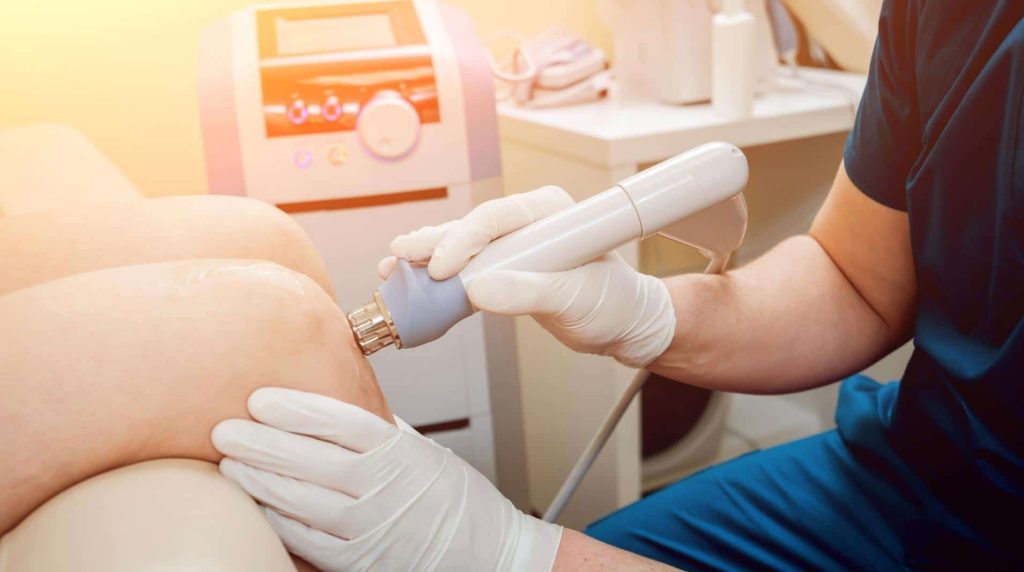
When pain is preventing effective rehabilitation, non-invasive treatments may help reduce symptoms and support tissue recovery. Photobiomodulation Therapy, also known as PBMT or Low-Level Laser Therapy, uses specific wavelengths of light to stimulate cellular processes associated with reduced inflammation, tissue repair and pain modulation.
PBMT is comfortable and does not involve injections, surgery or medication. It may be used alongside an individualised exercise and load-management plan, rather than as a substitute for rehabilitation. Response can vary according to the tendon involved, symptom duration, treatment parameters and the underlying drivers of pain, which is why medically supervised treatment planning is important.
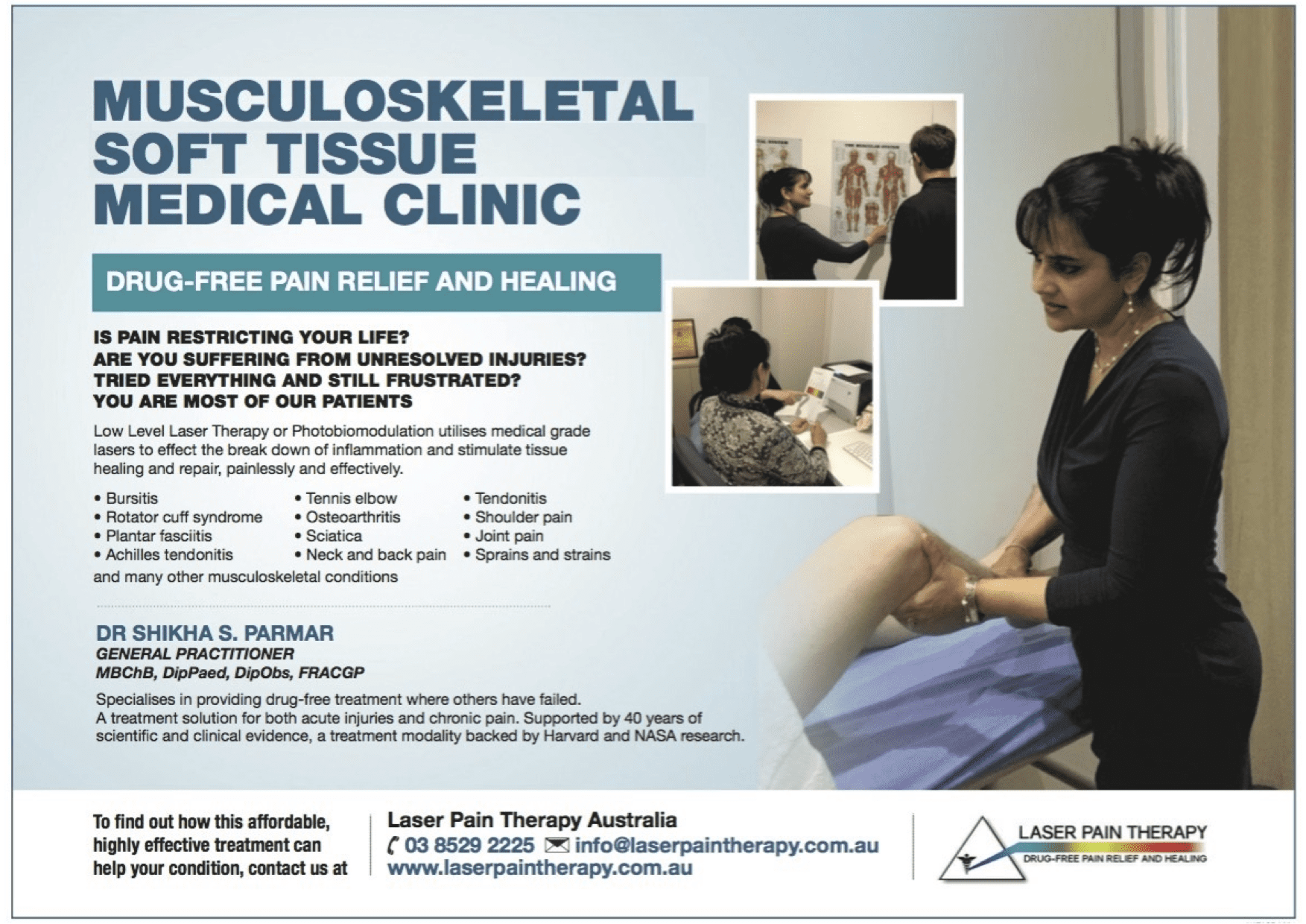
At Laser Pain Therapy, assessment and treatment planning are doctor-led, with PBMT used as part of a personalised approach for musculoskeletal pain. For people who have not responded to medication, rest or generic exercise advice, this provides a clinically guided, drug-free option to consider.
Treatments that need context
There is no single treatment that reliably resolves every chronic tendon problem. Anti-inflammatory medicines may reduce short-term discomfort for some people, but they are not a complete long-term solution and may not be suitable for everyone. Corticosteroid injections can sometimes provide temporary relief in selected situations, yet repeated use around certain tendons may carry risks and should be discussed carefully with a qualified clinician.
Passive treatments alone, including massage, braces or taping, can be useful for symptom relief but are generally most useful when they make it possible to restore movement and strength. Similarly, a dramatic pain reduction after any treatment is encouraging, but longer-term recovery also depends on whether you can gradually return to the activities that matter to you.
What a realistic recovery looks like
Chronic tendon pain often improves over months, not days. Progress may show up first as less stiffness in the morning, better sleep, easier stair climbing or greater tolerance for a normal workday. Those changes are meaningful, even if occasional flare-ups still occur.
Set goals that relate to function rather than pain alone. Being able to walk the dog, lift a grandchild, complete a shift comfortably or return to a favourite sport can provide clearer markers of recovery. Review the plan if improvement stalls, if symptoms spread, or if the pain pattern changes significantly.
Chronic tendon pain can be frustrating, but it is not something you simply have to endure. With an accurate diagnosis, sensible load management and treatment that supports both pain relief and tissue capacity, many people may be able to return to stronger, more confident movement.
Contact us today to arrange your consultation and take the first step towards recovery.
Located in Melbourne
(03) 8529 2225 Contact Us