Back pain laser treatment success is not measured simply by whether your back feels better after one appointment. Meaningful improvement is about reducing pain, restoring comfortable movement, improving sleep or work tolerance, and helping you return to the activities that pain has placed on hold. For some people, Photobiomodulation Therapy (PBMT), also known as Low-Level Laser Therapy (LLLT), may be a valuable part of this process when it is matched to a clear diagnosis and an individualised care plan.
Back pain is common, but it is not one condition. A stiff lower back after gardening, nerve pain travelling down the leg, persistent pain from disc degeneration and muscular spasm require different clinical considerations. This is why a medically supervised assessment matters before deciding whether laser therapy is appropriate.
What does back pain laser treatment success look like?
Success looks different for each person. Someone with a recent muscle strain may be looking for faster relief and an appropriate return to normal movement. A person living with chronic low back pain may define success as walking further, sitting through a workday with less discomfort, reducing their reliance on pain medication, or feeling able to exercise again.
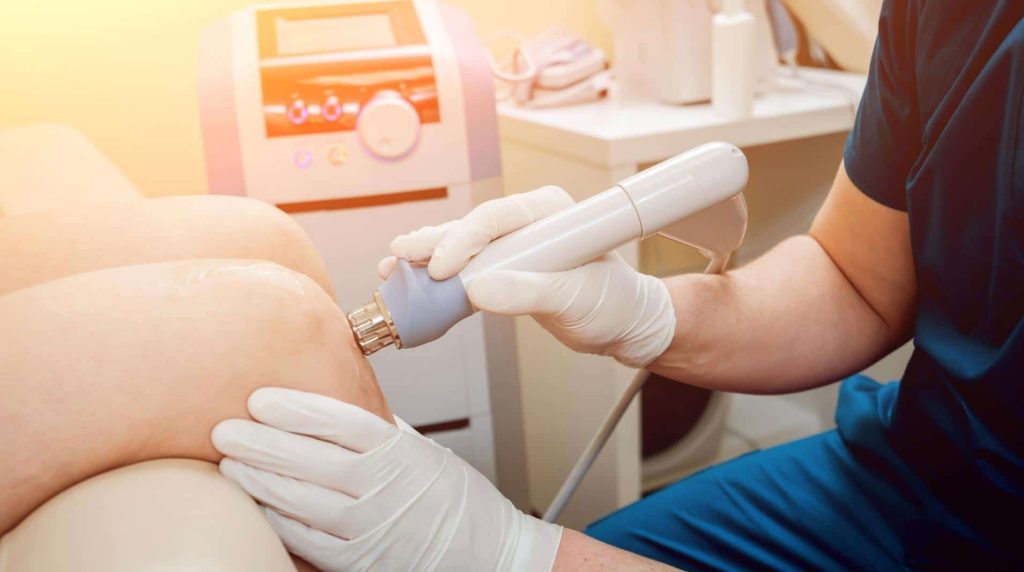
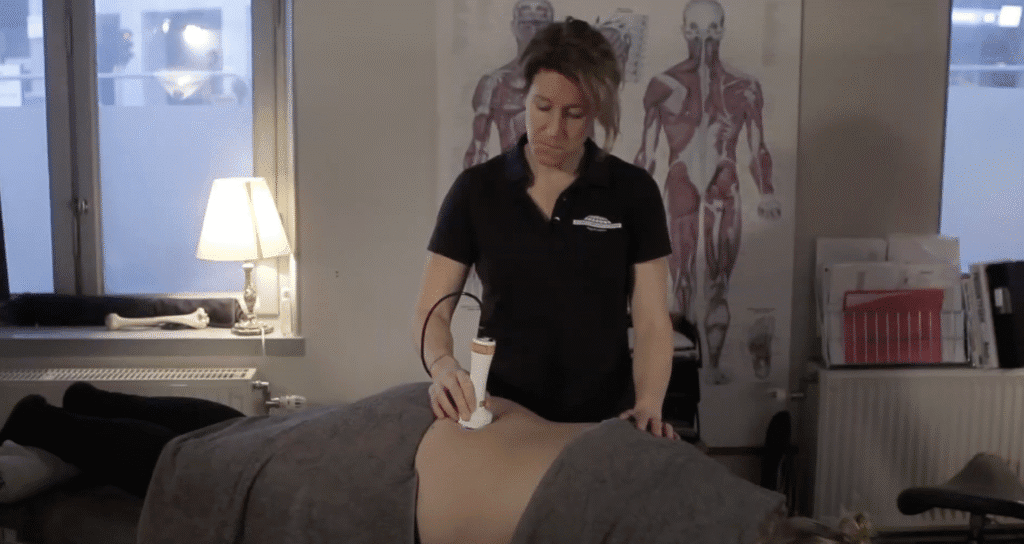
PBMT uses specific wavelengths of light delivered to affected tissue. The treatment is comfortable and non-invasive. At a cellular level, the light energy is intended to support mitochondrial activity, circulation and the body’s natural repair processes. In suitable cases, this may help reduce inflammation, ease pain sensitivity and support recovery in muscles, ligaments, tendons and other soft tissues.
It is not a replacement for careful diagnosis. Laser therapy cannot correct every structural cause of back pain, and it should never be used to dismiss symptoms that need urgent medical attention. Its role is in addressing inflammatory, muscular and soft-tissue contributors that may maintain pain and restricted function.
The cause of pain changes the likely outcome
Back pain may arise from muscle strain, facet joint irritation, degenerative changes, osteoarthritis, disc-related pain, sacroiliac joint dysfunction, poor movement patterns or nerve irritation. These conditions can overlap. A person may begin with a disc injury, for example, then develop protective muscle spasm and reduced mobility that prolong the problem.
Laser treatment may be particularly useful where inflammation, tissue irritation or muscular guarding are contributing to symptoms. It can also be considered for persistent pain where medication, rest or standard approaches have provided limited benefit. However, the expected response will depend on how long the pain has been present, the tissues involved, overall health, physical demands and whether nerve symptoms are present.
Pain that follows a serious fall or accident, accompanies fever or unexplained weight loss, or occurs with new bladder or bowel changes, saddle numbness, progressive leg weakness or severe unrelenting night pain needs prompt medical assessment. These are not symptoms to self-manage with any therapy.
Why an assessment improves back pain laser treatment success
A laser session should not be treated like a generic wellness service. Appropriate care starts by understanding the likely source of pain, reviewing existing scans or reports where relevant, considering medical history and identifying factors that may slow recovery.
A GP-led consultation can clarify whether PBMT is suitable and where treatment should be targeted. It also gives patients the opportunity to discuss previous treatments, medication concerns, activity limitations and personal goals. For some people, the right next step may include imaging, further medical investigation or referral alongside laser treatment.
The treatment plan should then be tailored. Acute pain may respond over a shorter course, while chronic or recurrent pain usually requires a more structured approach. The aim is not to offer a one-off temporary fix, but to create conditions that support improvement over time.
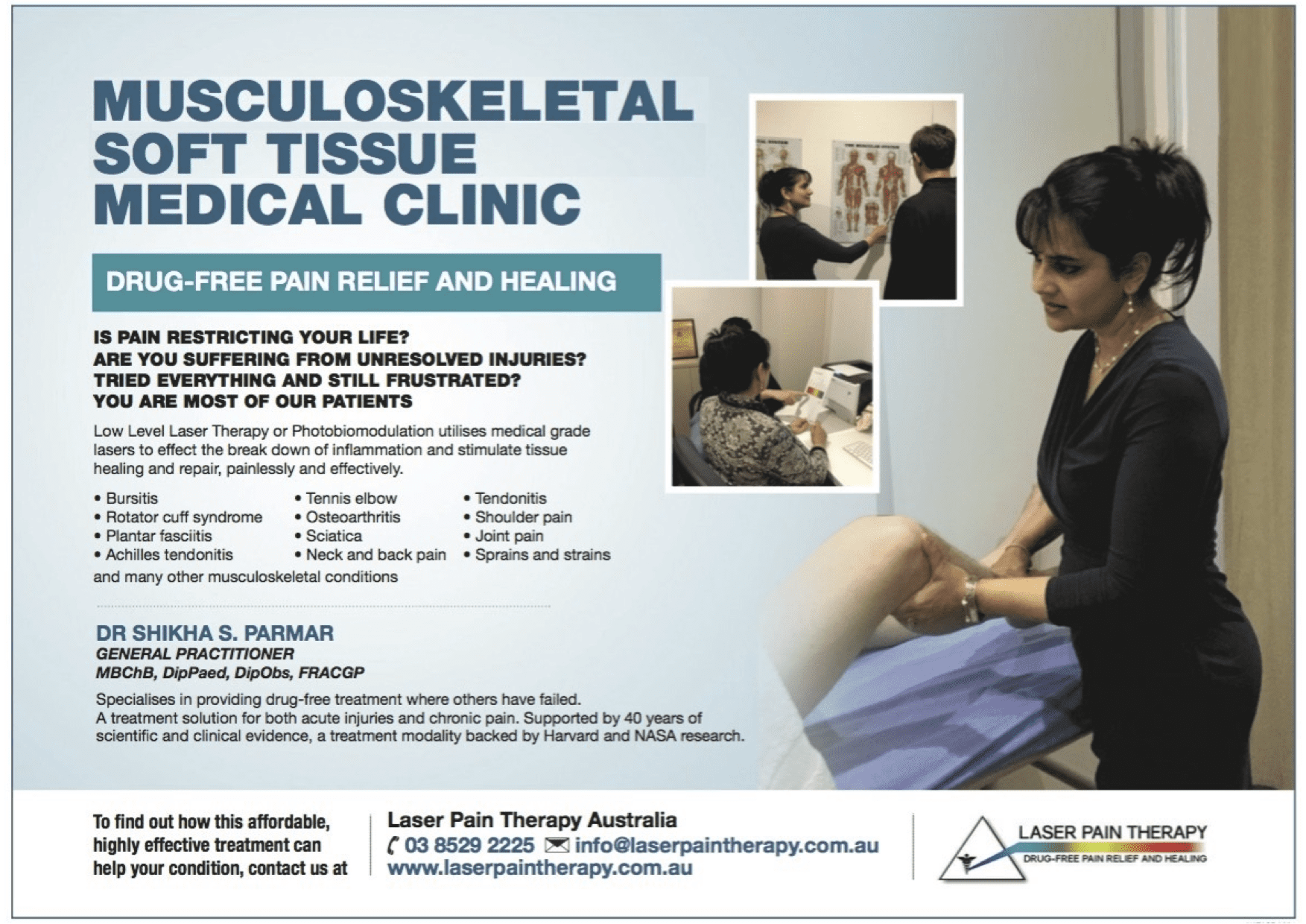
At Laser Pain Therapy, care is medically supervised and planned around the individual rather than a standard protocol. This is particularly relevant for patients who have lived with pain for months or years and need a clear, practical pathway forward.
Consistency matters, especially in chronic pain
A common reason people underestimate PBMT is expecting an immediate, permanent change after a single treatment. Some patients do experience early relief, particularly when acute inflammation or muscle tightness is a major driver. Others notice more gradual gains over a series of sessions as pain settles and movement becomes easier.
Chronic pain is often more complex. The nervous system can become sensitised, surrounding muscles may remain guarded, and reduced activity can lead to loss of strength and confidence. In these cases, progress may be measured in small but significant changes: getting out of bed more easily, needing fewer breaks during household tasks, tolerating a longer walk or recovering better after activity.
Attending the recommended course and reviewing your response along the way allows treatment to be adjusted according to progress and clinical response. If progress plateaus, the plan should be reassessed rather than continued automatically.
PBMT as part of a recovery plan
Laser therapy can support healing, but a back that is irritated by repeated strain still needs sensible load management. This does not necessarily mean bed rest. Prolonged inactivity can increase stiffness and weaken supporting muscles. The appropriate balance between rest and movement depends on the diagnosis and severity of symptoms.
Your clinician may recommend gradually returning to walking, gentle mobility work or targeted rehabilitation when it is safe to do so. Ergonomic changes can also be relevant for office workers spending long periods seated, while active patients may need advice about training loads, lifting technique or returning to sport.
Sleep, stress and general health can influence pain as well. Persistent pain can disturb sleep, while poor sleep can heighten pain sensitivity. A realistic management plan acknowledges these connections without implying that back pain is simply psychological. The pain is real, and recovery often involves addressing both the tissue problem and the factors that keep the body in a protective state.
What the evidence can and cannot promise
PBMT has been studied for a range of musculoskeletal pain conditions and is used internationally as a drug-free, non-invasive treatment option. Research supports its potential to reduce pain and inflammation and assist tissue repair in appropriate clinical settings. The response, however, is not identical for every diagnosis or every patient.
Results can be influenced by the laser parameters used, the depth and nature of the tissue involved, treatment frequency and whether the underlying problem is accurately identified. This is one reason professionally selected equipment and clinician-guided protocols are important. A treatment that is too general, too infrequent or directed at the wrong source of pain is less likely to produce a meaningful result.
Patients should also be wary of guarantees. Responsible pain care is about explaining likely benefits, possible limitations and how progress will be monitored. A clinician should explain when laser therapy is a reasonable option and when another treatment or investigation should take priority.
Practical ways to judge your progress
Pain scores are useful, but they are only one measure. Before starting treatment, consider the everyday tasks currently limited by your back pain. It may be putting on shoes, reversing the car, lifting a child, standing to cook dinner, working at a desk or sleeping through the night.
Track a few of these functions over time. Notice how long you can sit, stand or walk before pain builds, whether symptoms travel into the buttock or leg, how often you need medication, and how you feel the day after normal activity. This creates a clearer picture than judging treatment by one particularly good or bad day.
Improvement is rarely perfectly linear. A flare after doing too much does not always mean treatment has failed, but severe or changing symptoms should be reported. Your care plan can then be adjusted according to your response.
Is laser treatment right for your back pain?
PBMT may be worth considering if you want a non-surgical, drug-free option for musculoskeletal back pain and would like treatment guided by a medical assessment. It can be particularly appealing for people who are concerned about ongoing medication use, have not obtained adequate relief from conventional approaches, or need support to move more comfortably while recovering.
Suitability is not defined by age alone. Adults, older people and active younger patients can all experience back pain related to tissue strain, joint changes or overuse. The deciding factor is whether the clinical assessment suggests laser therapy is appropriate for addressing contributors to their pain.
Back pain can make life smaller in ways that are easy to underestimate. A treatment plan should aim for more than a quieter pain signal – it should support greater confidence in movement and return to the parts of daily life that matter to you.
Contact us today to arrange your consultation and take the first step towards recovery.
Located in Melbourne
(03) 8529 2225 Contact Us