Is laser therapy covered by Medicare in Australia?
A persistent shoulder, arthritic knee or nerve pain can affect far more than comfort. It can limit sleep, work, exercise and the simple movements that keep daily life independent. If you are asking, “is laser therapy covered by Medicare?”, the practical answer is that Medicare may rebate an eligible GP consultation, but it does not generally provide a rebate for Photobiomodulation Therapy itself.
That distinction matters. It helps you understand which parts of a medically guided pain-management plan may attract a Medicare rebate, which are private fees, and what questions to ask before beginning treatment.
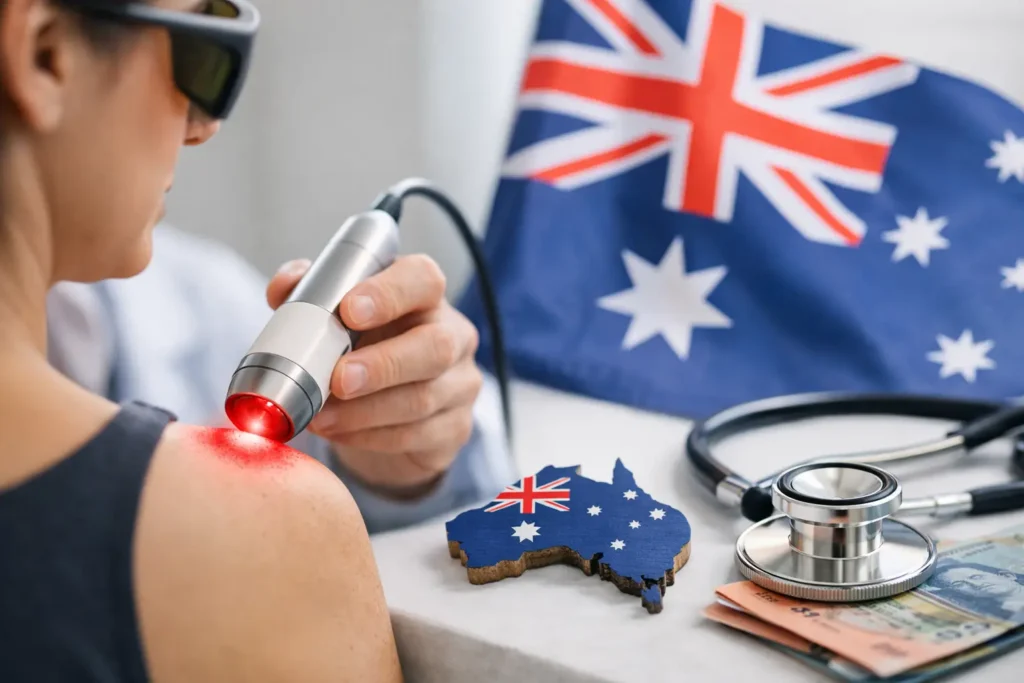
In Australia, Medicare rebates are paid for specific services listed on the Medicare Benefits Schedule, commonly called the MBS. A consultation with an eligible GP may attract a Medicare rebate when it meets MBS requirements. However, low-level laser therapy, also known as Photobiomodulation Therapy (PBMT) or Low-Level Laser Therapy (LLLT), is generally provided as a private treatment.
In other words, Medicare coverage for a consultation does not automatically mean Medicare covers the laser sessions recommended after that consultation. This is common across many non-surgical pain-management services. The clinical assessment and medical oversight may be Medicare-rebatable, while the therapy itself is charged separately.
Your individual out-of-pocket cost will depend on the consultation type, the clinic’s fees, the Medicare rebate available for that appointment, and the number of treatment sessions clinically appropriate for your condition. Medicare arrangements can change, so it is sensible to confirm current fees and rebates directly with the provider before booking.
Why PBMT treatment is usually a private service
PBMT uses specific wavelengths of light to support cellular activity in injured or inflamed tissue. It is a drug-free, non-invasive treatment used in the management of musculoskeletal pain and injury, including tendon pain, joint degeneration, sprains, soft-tissue injury, repetitive strain and some nerve-related pain presentations.
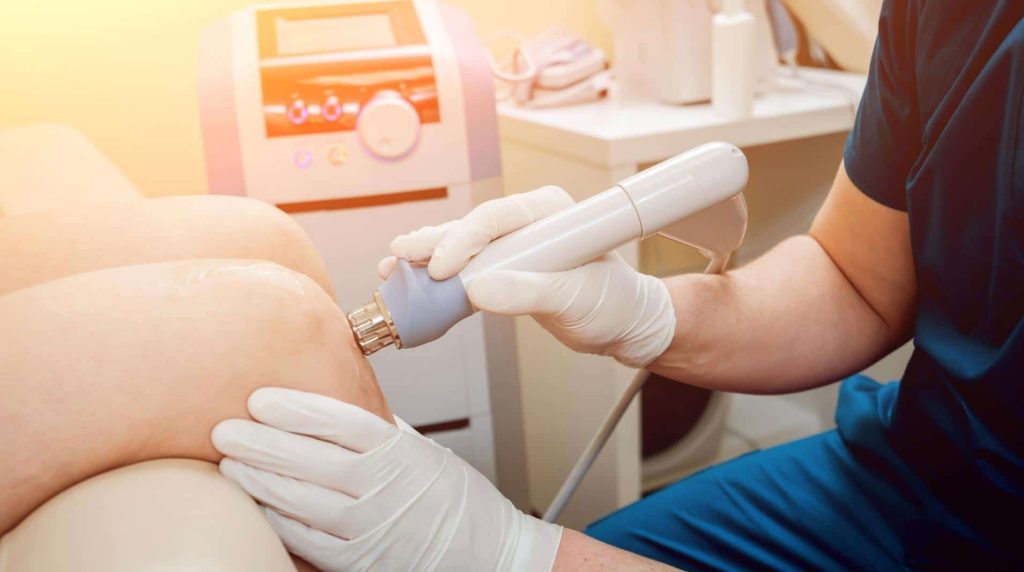
The treatment is comfortable and does not involve injections, radiation or surgery. During a session, a trained clinician applies the laser to carefully selected treatment areas according to the diagnosis, stage of healing and treatment goals. The aim may be to reduce inflammation, support tissue repair, improve circulation, reduce pain sensitivity and help restore function.treatment
Although PBMT has a growing evidence base and is used in clinical settings, a therapy can be clinically useful without being a standard Medicare-rebatable item. Medicare funding is based on specific MBS item numbers and eligibility rules, not simply on whether a treatment is non-invasive, research-supported or recommended by a doctor.
This does not determine the clinical value of private therapy. It means patients should assess it in the same practical way they would any private health service: understand the clinical rationale, expected treatment plan, total costs and how progress will be reviewed.
What a Medicare-rebatable consultation can provide
A doctor-led consultation remains an important starting point, especially when pain has persisted, is worsening or has not responded to usual care. An eligible Medicare-rebatable GP consultation may include a review of your symptoms, medical history, previous scans or reports, medication use, functional limitations and prior treatments.
The purpose is not simply to identify where it hurts. A careful assessment considers why it hurts. For example, knee pain may be influenced by osteoarthritis, tendon overload, altered movement patterns, previous injury or referred pain from elsewhere. Similar symptoms can have very different causes and may need different management.
Following assessment, the clinician can discuss whether PBMT is suitable, what it is designed to address and whether further investigation, referral or another form of care is more appropriate. Not every pain condition should be treated with laser therapy alone. Red flags, significant trauma, suspected fracture, infection, progressive neurological symptoms or unexplained systemic illness require timely medical investigation.
For people with chronic pain, the consultation also provides an opportunity to set meaningful goals. Relief is important, but practical outcomes matter too: walking more comfortably, returning to work duties, getting back to sport, sleeping through the night or reducing reliance on pain medication where clinically appropriate.
How to check your likely out-of-pocket cost
Before starting treatment, ask the clinic to explain the financial side of care in plain language. You should be able to find out whether your initial GP consultation is eligible for a Medicare rebate, the private fee for that consultation, and the estimated gap after the rebate.
You should also ask about the cost per laser therapy session and the anticipated number of sessions. A responsible clinic cannot guarantee an identical treatment schedule for every patient. Acute injuries, longstanding osteoarthritis, post-surgical soft-tissue concerns and persistent tendinopathy can respond differently. Your plan should be based on your presentation and adjusted according to clinical progress.
It is reasonable to request clarity on these points:
- whether the consultation is Medicare-rebatable and the likely rebate amount
- the separate fee for PBMT sessions
- the expected frequency and review points in your treatment plan
- whether private health insurance may contribute under your level of cover
Private health fund benefits are separate from Medicare. Some policies may include cover for selected extras or allied health services, while others do not. Benefits vary between funds, policy levels, provider arrangements and annual limits. Check with your fund before treatment rather than assuming a benefit will apply.
Why an individual treatment plan matters more than a rebate alone
When pain is ongoing, it is understandable to focus first on affordability. Cost matters, particularly when treatment may involve multiple appointments. But the lowest upfront price does not always represent good value if care is generic, poorly assessed or does not include a clear plan for monitoring improvement.
A clinically guided PBMT programme should be targeted to the affected structures and your stage of recovery. A recent ankle sprain may require a different approach from a years-long rotator cuff tendinopathy. Likewise, someone with osteoarthritis may need treatment that supports pain reduction and mobility alongside advice about activity modification, strength and load management.
Progress should be measured in more than pain scores. Changes in range of motion, walking tolerance, grip strength, sleep, work capacity and confidence with movement can all help show whether treatment is delivering practical benefit. If improvement is limited, the plan should be reviewed rather than continuing indefinitely without a clear reason.
At Laser Pain Therapy, this medical oversight is central to care. Treatment planning is based on an assessment of the person, the condition and the recovery objective, not a one-size-fits-all wellness appointment.
When laser therapy may be considered
PBMT may be considered by people seeking a non-invasive option for acute or chronic musculoskeletal pain, particularly when they want to reduce dependence on medication or have not achieved sufficient relief from conventional approaches. It can be relevant for office workers with repetitive strain, active people managing sports injuries, older adults with joint pain, and parents seeking a gentle treatment option for a child’s soft-tissue injury.
Suitability still depends on the diagnosis and broader medical picture. Laser therapy is not a replacement for emergency care, surgery when surgery is indicated, or a thorough assessment of serious symptoms. It is one evidence-informed tool that may form part of a broader recovery plan.
The most useful next step is to book an assessment and ask directly about Medicare eligibility for the consultation, private fees for PBMT and the proposed treatment pathway. Clear answers allow you to make a decision based not just on whether a rebate is available, but on whether the care is appropriate for your pain, function and longer-term recovery.
Contact us today to arrange your consultation.
Located in Melbourne
(03) 8529 2225 Contact Us