Doctor-Supervised Laser Therapy Benefits
A sore shoulder that has stopped you reaching overhead, knee pain that makes stairs a calculation, or persistent sciatica that interrupts sleep deserves more than a generic treatment recommendation. When people ask about doctor-supervised laser therapy benefits, they are often looking for two things at once: meaningful relief from pain and confidence that the treatment is appropriate for their condition.
Photobiomodulation Therapy (PBMT), also known as Low-Level Laser Therapy (LLLT), uses specific wavelengths of light to support cellular activity in affected tissue. It is non-invasive, drug-free and comfortable. Yet the quality of care depends on more than the laser device itself. Medical supervision provides the clinical assessment, treatment planning and review needed to use this therapy appropriately and purposefully.
Why medical supervision changes laser therapy
Pain can be complex. The location of pain does not always identify its source. A painful hip may involve the joint, surrounding tendons, the lower back or referred nerve pain. Tingling in the hand may be related to local tendon irritation, nerve compression at the wrist, or an issue higher in the neck.
A doctor-led consultation helps distinguish these possibilities before a treatment course begins. This includes reviewing symptoms, previous diagnoses, scans or reports where relevant, medical history, medications and functional limitations. The aim is not simply to identify where it hurts, but to understand what may be contributing to the problem and whether PBMT is a suitable part of the management plan.
This is particularly valuable for persistent pain, recurrent injuries and cases that have not improved with conventional care. It also creates an opportunity to identify situations where laser therapy should not be the first step, such as a suspected fracture, serious infection, progressive neurological symptoms or another condition requiring urgent investigation.
Doctor-supervised laser therapy benefits for recovery
PBMT works by delivering low-level light energy to targeted tissue. Depending on the condition and treatment area, this may support cellular processes associated with inflammation control, circulation, tissue repair and pain modulation. Treatment is comfortable, and many patients find it a practical option when pain is limiting work, exercise or daily movement.
A plan tailored to the tissue involved
There is no one-size-fits-all laser protocol for pain. A recent ankle sprain, a long-standing Achilles tendinopathy and osteoarthritis of the knee involve different tissues and different recovery patterns. The treatment area, dosage, frequency and likely number of sessions should reflect the condition being treated.
With doctor supervision, laser therapy is planned around a clinical diagnosis or diagnosis review. Progress is assessed over time rather than assumed after a single treatment. If pain, movement or function is not changing as expected, the plan can be adjusted or further assessment can be recommended.
A drug-free option for pain management
Many people with musculoskeletal pain are concerned about relying on anti-inflammatory medicines, opioid pain medicines or repeated injections. Medication can have an appropriate role, but it may also bring side effects, interactions or limited long-term suitability.
Laser therapy does not replace every form of medical care, and it should not be presented as a cure for every painful condition. However, it can be a useful non-pharmaceutical option for people seeking to reduce pain while supporting their body’s recovery process. For some patients, reduced pain can make it easier to return to rehabilitation exercises, walking, work tasks or restorative sleep.
Support for function, not just symptom relief
Pain intensity matters, but function often matters more. Can you turn your head while driving? Carry your child without aggravating your elbow? Get out of a chair without guarding your knee? A medically supervised plan considers these practical goals.
PBMT may be used for conditions affecting muscles, joints, tendons, ligaments, nerves and soft tissue. This can include neck and back pain, shoulder injuries, tennis elbow, repetitive strain injuries, bursitis, plantar fasciitis, knee osteoarthritis, sports injuries and some nerve-related pain presentations. Outcomes vary according to the underlying condition, how long symptoms have been present and whether ongoing load or movement patterns continue to irritate the tissue.
Safety is more than wearing protective glasses
Appropriate eye protection is essential during laser treatment, but safe care begins earlier. A clinician needs to know about your health history, current symptoms and relevant risk factors. This includes previous cancer treatment, pregnancy, photosensitivity, anticoagulant use, implanted devices and unexplained changes in pain or sensation.
Medical oversight supports appropriate clinical decision-making. The practitioner can determine whether treatment is suitable, whether an area should be avoided, and whether your symptoms warrant a referral, imaging or another type of care. This is a significant difference between clinically guided PBMT and a general wellness service that may not include a diagnosis review.
For children and adolescents with sports or growth-related injuries, individual assessment is equally important. Young people may benefit from non-invasive care, but their treatment should account for their age, injury type, activity level and medical history.
What a treatment course may involve
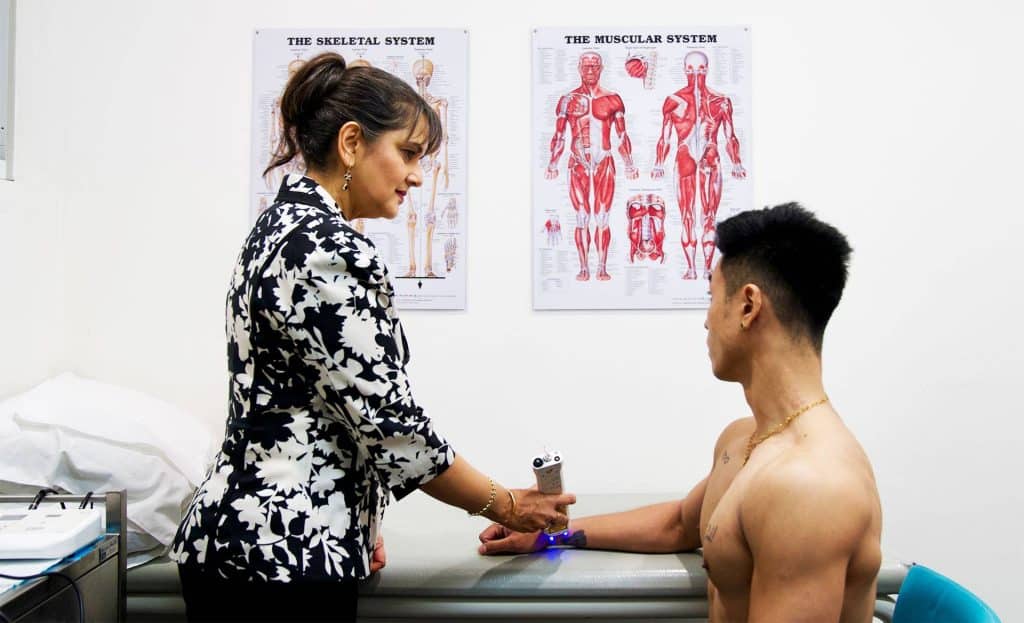
A doctor-supervised laser therapy program starts with a consultation. The doctor reviews your pain history, examines the affected area where appropriate and discusses previous treatment. You should leave with a clear understanding of the working diagnosis, whether PBMT is recommended, the expected treatment schedule and the signs that would require further assessment.
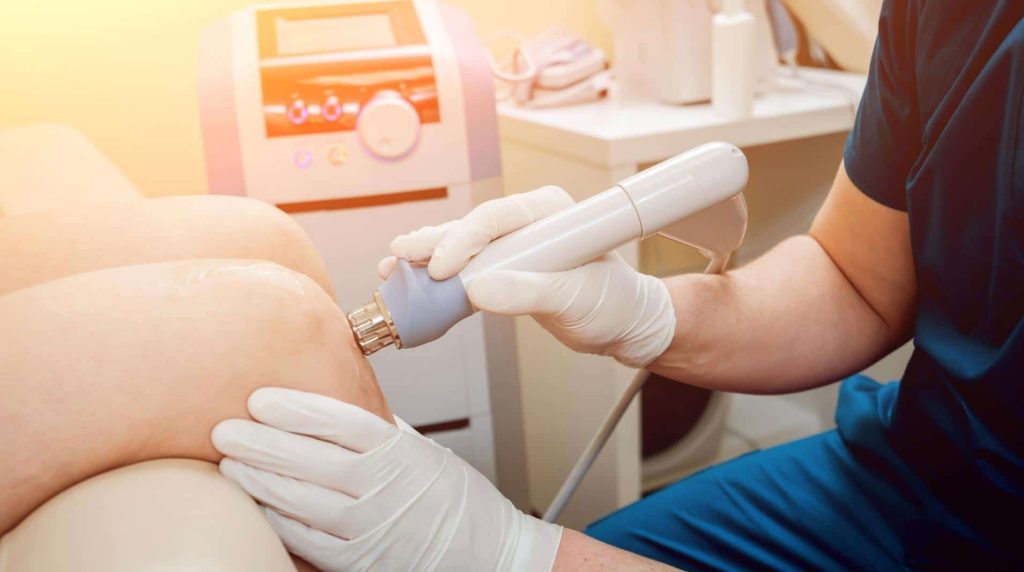
During a session, the laser applicator is placed over carefully selected areas of the body. Treatment is comfortable and does not involve needles, heat damage or downtime. The duration varies according to the condition and size of the treatment area.
A short course may be appropriate for a recent injury, while chronic conditions commonly need a more structured series of sessions. Improvement can be gradual. Some people notice a change in pain or mobility early, while others require several treatments before a clear response is evident. Factors such as sleep, workplace demands, physical activity, joint degeneration and the duration of symptoms can all influence recovery.
When laser therapy is most useful
PBMT is often considered when a person wants a conservative option before more invasive treatment, cannot tolerate certain medications, or has reached a plateau with standard management. It may also be used alongside an appropriate rehabilitation plan rather than as a stand-alone solution.
The people most likely to be suitable are not necessarily those with the most severe pain. They are people whose condition has been properly assessed and whose goals are realistic. If a tendon remains overloaded every day, or a knee is affected by advanced structural degeneration, laser therapy may help manage pain and support function but cannot remove every mechanical contributor.
That distinction matters. Responsible pain care avoids promising instant or permanent results. It focuses on the measurable changes that matter to each person: less pain at rest, improved range of movement, greater tolerance for activity and a clinically appropriate path back to everyday life.
Choosing clinically guided care in Melbourne
For patients in Melbourne seeking a non-surgical approach to musculoskeletal pain, a GP-led laser therapy clinic offers the reassurance of medical assessment alongside evidence-informed treatment. At Laser Pain Therapy, care is directed by Dr Shikha Parmar and structured around the individual rather than a generic session package.
Before committing to treatment, ask how your condition will be assessed, who will oversee your care, what response is reasonably expected and when the plan will be reviewed. The value of laser therapy is not simply access to a device. It is receiving treatment matched to the condition, with clinical guidance that keeps recovery focused on what you need to do each day.
Contact us today to arrange your consultation.
Located in Melbourne
(03) 8529 2225 Contact Us