Researchers Pour Cold Water On Ice-Bath Theory for Recovery
Queensland exercise scientists have challenged the idea that ice baths are an effective way to speed up muscle recovery after strength training.
Their findings suggest that athletes who immerse themselves in icy cold water after strength training may hinder long-term gains in muscle mass and strength, and that an active “warm down” on an exercise bike may be preferable.
Their 12-week study involving 21 physically active men found that cold-water immersion attenuated muscle adaptation and blunted the activation of key proteins and satellite cells in skeletal muscle for up to two days after strength exercise.
Post-exercise cold water immersion attenuates acute anabolic signalling and long-term adaptations in muscle to strength training:
http://onlinelibrary.wiley.com/doi/10.1113/JP270570/pdf
The researchers from the University of Queensland and QUT say they are unsure why ice baths have this effect, but reduced muscle blood flow could be one mechanism.
Their advice to athletes is to avoid cold-water immersion, at least after strength training.
“The present findings contribute to an emerging theme that cold-water immersion and other strategies (eg antioxidant supplements, non-steroidal anti-inflammatory drugs) that are intended to mitigate and improve resilience to physiological stress associated with exercise may actually be counter-productive to muscle adaptation,” write the researchers in The Journal of Physiology.
Individuals who use strength training to improve athletic performance, support recovery from injury, or maintain their health should therefore reconsider routine cold-water immersion as an adjunct to their training.
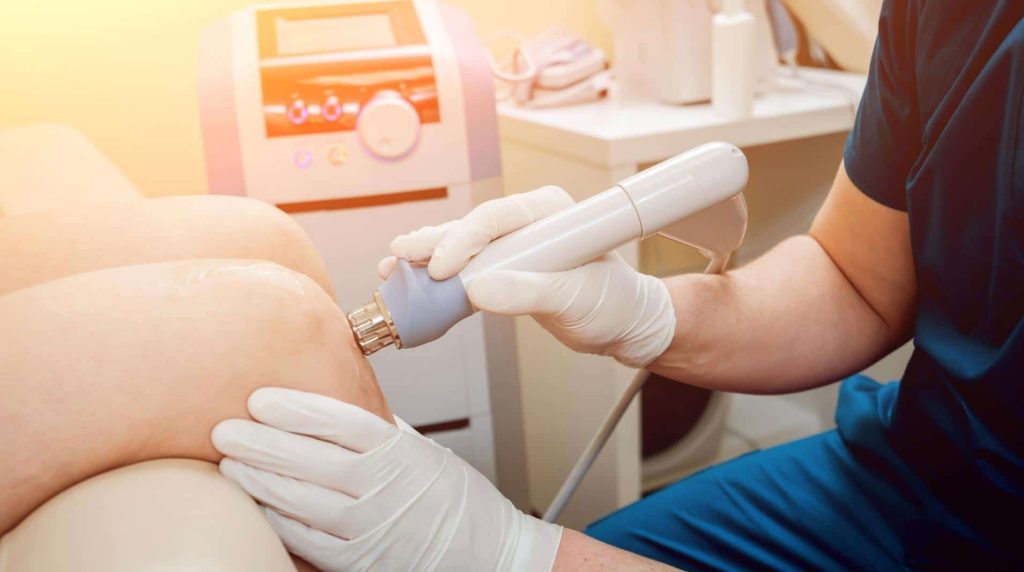
Low Level Laser Therapy uses red and near-infrared light with the aim of supporting local circulation and cellular recovery processes. At Laser Pain Therapy Australia, we recognise that cold application reduces local blood flow and that routine or prolonged icing may not support tissue recovery in every setting. Where clinically appropriate, we encourage warmth for many painful musculoskeletal presentations. This study adds to the growing evidence questioning routine cold-water immersion after strength training and some injuries.