A swollen ankle after a misstep, a puffy knee after gardening, or a painful tendon that feels thicker by the end of the day can make ordinary movement difficult. It is reasonable to ask, does PBMT reduce swelling quickly when discomfort is limiting work, sleep or exercise? Photobiomodulation Therapy, also called PBMT or Low-Level Laser Therapy, may help the body regulate inflammation and support tissue healing, but the speed of change depends on the cause, severity and timing of the injury.
PBMT is a drug-free, non-invasive treatment that uses specific wavelengths of therapeutic light. In a clinical setting, it is used as part of an individualised plan for musculoskeletal pain and injury. It is not a substitute for an accurate diagnosis, particularly when swelling is sudden, severe or accompanied by other concerning symptoms.
Does PBMT reduce swelling quickly after an injury?
PBMT can support a reduction in swelling for some people, particularly when treatment begins early and the swelling is related to a soft-tissue injury, joint irritation or overuse. Some patients notice that the area feels less tight, painful or warm after the first few sessions. Visible swelling, however, may take longer to settle because the body needs time to clear excess fluid and repair irritated tissue.
There is no reliable one-session promise. A minor sporting strain may respond differently from a significant ankle sprain, post-operative swelling, osteoarthritis flare or longstanding tendon condition. The best results usually come from matching the laser dose, treatment area and frequency to the specific condition, rather than applying a generic protocol.
For acute injuries, the first 24 to 72 hours can be particularly important. Early assessment helps determine whether PBMT is appropriate and whether the injury needs protection, imaging, a brace, modified activity or referral for further medical care. Reducing pain too quickly without respecting tissue damage can lead people to overload an injury before it is ready.
How PBMT may help inflammation and fluid build-up
Swelling is part of the inflammatory response. After tissue is irritated or injured, blood flow and fluid movement change, and immune cells move into the area to begin repair. This response is necessary, but excessive or persistent inflammation can increase pain, stiffness and loss of function.
PBMT delivers low-level light energy to targeted tissue. The light is absorbed by cellular structures, including mitochondria, which are involved in energy production. Research suggests this process can influence cellular signalling, circulation and inflammatory mediators. In practical terms, PBMT may assist the body’s natural repair processes, support microcirculation and lymphatic flow, and help regulate the inflammatory response rather than simply masking it.
That distinction matters. Anti-inflammatory medicines may be useful for some people, but they can also cause side effects or be unsuitable for those with certain medical conditions. PBMT offers a non-pharmaceutical option that can be used within a broader medical management plan. It is generally comfortable, does not involve injections and does not require downtime.
What determines how fast swelling improves?
The cause of swelling is the first consideration. Local swelling following a muscle strain, ligament sprain, tendinopathy flare or repetitive strain injury may be suitable for PBMT. A swollen joint caused by osteoarthritis may also respond, especially where inflammation is contributing to pain and reduced mobility. Yet the response is often more gradual in chronic conditions because the problem may involve joint degeneration, altered movement patterns and longstanding tissue changes.
Severity matters as well. A mild wrist overuse injury can settle relatively quickly once aggravating activities are modified. A high-grade ligament injury or a large joint effusion may require more time and additional treatment. The aim is not simply to make swelling disappear, but to restore comfortable, confident function while the injured tissue regains capacity.
Treatment timing and consistency also influence outcomes. A clinically appropriate course of PBMT often involves several sessions, particularly for chronic pain or a substantial injury. The practitioner may adjust treatment based on the response in pain, swelling, range of movement and day-to-day function.
Finally, what happens between appointments matters. Continuing to run, lift, kneel or work through a painful swollen area can slow recovery. Sensible load modification, prescribed exercises where appropriate, sleep, nutrition and management of contributing factors all have a role.
When swelling needs medical assessment first
Not all swelling should be treated as a routine musculoskeletal problem. Urgent medical assessment is needed if swelling is associated with severe pain, a visible deformity, inability to bear weight, fever, spreading redness, a hot and very tender joint, chest pain or shortness of breath. Sudden swelling in one calf or leg should also be assessed promptly, particularly if there is warmth, redness or unexplained tenderness.
These symptoms can indicate a fracture, infection, blood clot or another condition requiring urgent care. PBMT should only be considered after serious causes have been excluded.
For less urgent but persistent swelling, a doctor-led assessment can clarify whether the issue is likely to be a tendon, ligament, muscle, joint, nerve or soft-tissue problem. This is especially valuable when pain has not improved with rest, medication, standard physiotherapy or previous treatment.
What a medically guided PBMT plan looks like
An effective PBMT plan starts with the right diagnosis review, not simply placing a laser over the sorest point. The clinician considers the history of the injury, the pattern of swelling, current medications, relevant scans or reports, prior treatment and the functional goals that matter to the patient.
For example, an active parent with a swollen knee may need to return to stairs and school drop-offs without limping. An office worker with a swollen, painful wrist may need to type comfortably. An older adult with an osteoarthritis flare may be focused on walking safely and sleeping with less pain. These goals guide treatment decisions and progress monitoring.
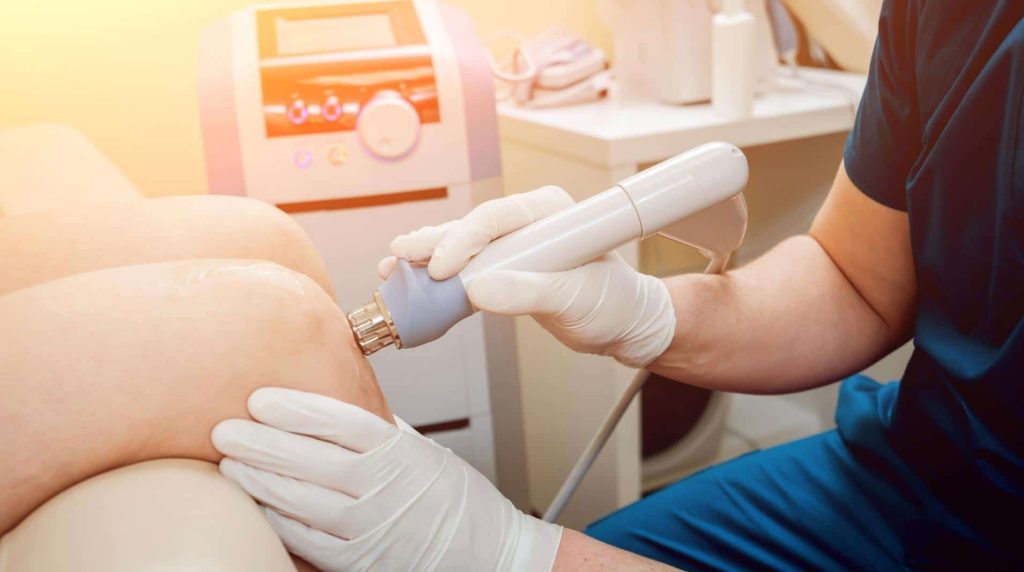
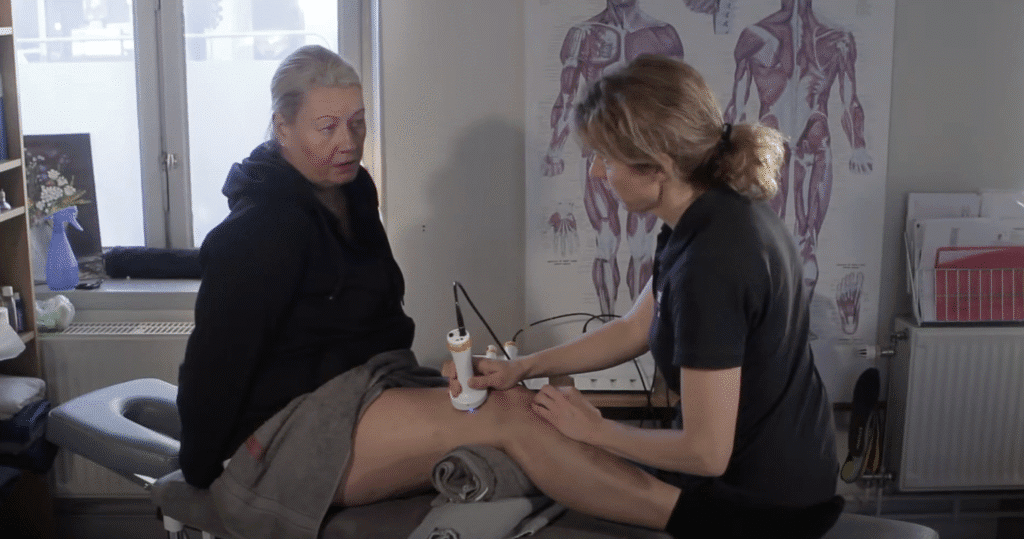
The laser is applied to the relevant anatomical structures using clinically selected settings. PBMT treatment is comfortable, with most patients feeling little or no sensation during the session. Depending on the presentation, treatment may be combined with activity advice, rehabilitation guidance or referral back to the patient’s GP or allied health practitioner.
At Laser Pain Therapy, PBMT is provided within a medically supervised model, with personalised planning rather than a one-size-fits-all wellness approach. This is particularly relevant for people with persistent symptoms, complex medical histories or pain that has not responded to conventional options.
PBMT is most useful when it supports recovery, not shortcuts it
It can be tempting to measure success only by whether swelling looks smaller the next day. A better measure is whether pain is reducing, movement is becoming easier and the affected area is tolerating everyday activity with less irritation. For some people, these improvements begin early. For others, especially those with chronic inflammation or repeated aggravation, recovery is steadier and requires a longer plan.
PBMT may be a valuable option for reducing inflammation-related pain and supporting tissue repair without relying solely on medication or invasive procedures. A sound approach is to have swelling assessed properly, treat the underlying cause and give healing tissue the right conditions to recover.
If swelling is getting worse, feels unexplained or is stopping you from moving normally, do not wait for it to become a long-term problem. A focused medical assessment can help identify what your body needs next.
Contact us today to arrange your consultation and take the first step towards recovery.
Located in Melbourne
(03) 8529 2225 Contact Us