A guide to laser safety standards is particularly valuable when you are considering photobiomodulation therapy (PBMT) for persistent pain, a sports injury or reduced mobility. Low level laser treatment is non-invasive and comfortable, but it is still a medical treatment involving controlled light energy. Safe care depends on far more than simply switching on a device.
For patients, the practical question is straightforward: how does a clinic protect your eyes, your skin and the area being treated while delivering enough energy to support pain relief and tissue repair? The answer lies in appropriate equipment, trained clinical operators, clear treatment protocols and individual assessment.
What laser safety standards are designed to prevent
Laser safety standards exist because concentrated light can cause harm when it is used incorrectly. The primary concern is eye exposure. Even when a laser beam does not feel hot, certain wavelengths can be focused by the eye onto the retina. This is why protective eyewear is a routine part of delivering laser therapy if appropriate.
Standards also address the risk of skin injury, unintended exposure to people in the room, equipment malfunction and use of the wrong treatment settings. In a clinical setting, safety is not a single precaution. It is a system that begins before treatment and continues throughout each appointment.
Medical laser devices should also be appropriately supplied and used within Australian therapeutic goods requirements. Patients do not need to memorise these documents, but they should expect a clinic to understand the obligations that apply to its equipment and practice.
Laser classes and why the label matters
Laser devices are placed into classes based on the level of risk associated with accessible laser radiation. Lower-class devices present less potential for injury under normal use. Higher-class lasers require more stringent controls, particularly to prevent exposure to the eyes.
Many therapeutic lasers used for PBMT may fall within Class 3B or Class 4, depending on the device and its output. The class label is only one part of the clinical picture. A safe dose for a superficial tendon may not be suitable for a deeper joint, an irritated nerve or a recently injured muscle. Power, wavelength, treatment time, spot size, pulse settings and the tissue being targeted all influence the energy delivered. This is one reason generic, one-size-fits-all laser sessions are a poor substitute for medically guided care.
PBMT is not the same as surgical laser treatment
Patients sometimes hear the word “laser” and picture a cutting or burning instrument. PBMT, also known as low-level laser therapy, is designed for a different purpose. It uses specific light wavelengths and dosages to influence cellular processes associated with inflammation, circulation, pain modulation and tissue repair.
PBMT does not cut tissue and should not be painful. Still, non-invasive does not mean casual. The same treatment characteristics that make laser light therapeutically useful require careful dose selection and protection from accidental exposure.
What safe laser treatment should look like
Before treatment begins, a clinician should review your condition, symptoms, medical history and the area to be treated. This helps determine whether PBMT is appropriate and whether treatment needs to be modified or deferred. A person with a recent acute injury may require a different approach from someone managing long-standing osteoarthritis, for example.
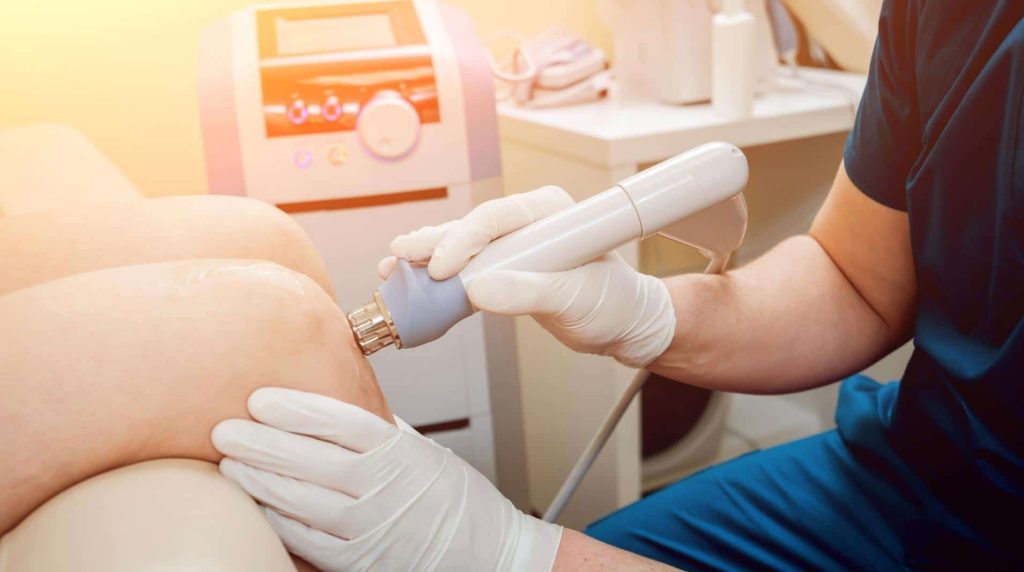
During a properly run session, you should be given laser-specific protective eyewear that matches the wavelength or wavelengths of the device in use if your eyes are exposed to the laser devices. Ordinary sunglasses are not a substitute.
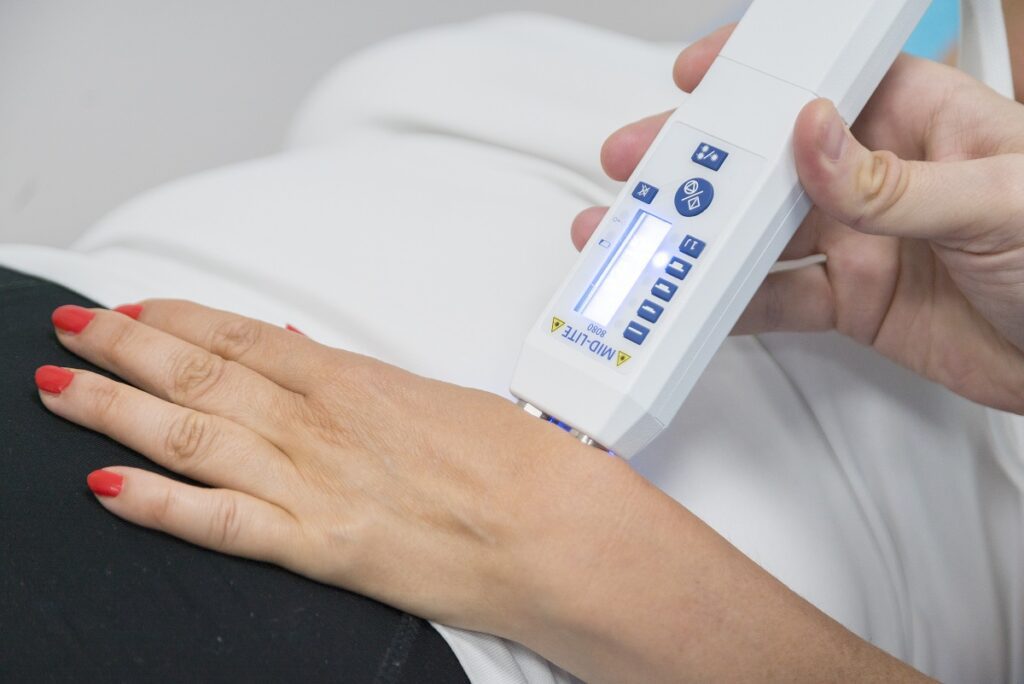
The laser should be used only on the intended body area, with the treatment head positioned and operated according to the manufacturer’s instructions and clinical protocol.
You should also expect the clinician to check in during treatment. Although PBMT is often described as painless, sensations can vary. Some people notice mild warmth or nothing at all. Any unexpected discomfort should be reported immediately so the settings and technique can be reviewed.
Individual assessment is a safety measure, not an optional extra
The safest treatment plan is one that matches the patient. A thorough assessment allows the clinician to identify situations where laser therapy may not be suitable over a particular area or where additional medical advice is required.
For example, treatment is generally avoided directly over known or suspected cancerous lesions unless it forms part of a specialist-directed medical plan. Extra care is also required around the eyes, and in areas of reduced sensation where a patient may not reliably perceive heat or discomfort. Pregnancy, implanted electronic devices, photosensitivity and medications that increase sensitivity to light should be discussed during consultation.
These considerations do not automatically rule out treatment. They guide safe decision-making. The relevant question is not simply, “Can I have laser therapy?” It is, “Is this treatment appropriate for my diagnosis, health history and treatment area?”
This distinction matters for people with chronic pain. Persistent pain can have several contributing factors, including joint degeneration, tendon overload, nerve irritation, muscle guarding and altered movement patterns. A medical review helps ensure laser therapy is integrated into a realistic recovery plan rather than used as a promise of instant relief.
Questions worth asking before your appointment
A reputable provider should welcome sensible questions about safety. You may wish to ask what type and class of laser is used, whether laser-specific eyewear is provided, who delivers the treatment and how the treatment dose is selected.
It is also reasonable to ask how your diagnosis has been reviewed, how progress will be measured and what happens if your symptoms do not improve as expected. For musculoskeletal pain, treatment may work best alongside activity modification, targeted exercise, medical investigation or other therapies. The right combination depends on the condition and its severity.
Be cautious about claims that a laser can treat every problem in the same way, or that no assessment is necessary. Evidence-informed PBMT is targeted care. It should be matched to the tissue, the stage of healing and the person receiving it.
Safety at home and outside the clinic
Do not use a laser device around the eyes, and do not allow children to handle therapeutic laser equipment unsupervised. Consumer devices can vary widely in quality, output and instructions. A device marketed as a wellness product may not have the same controls, clinical oversight or capacity to treat a diagnosed musculoskeletal condition as a medical-grade therapeutic laser.
If you are using any light-based device at home, follow its instructions exactly and tell your treating clinician about it. More exposure is not necessarily better. PBMT has a dose-response relationship, meaning too little energy may have no meaningful effect while excessive or poorly targeted treatment may be unhelpful or inappropriate.
For children and adolescents with sporting injuries, professional guidance is especially useful. Growing tissues, an uncertain diagnosis or pain that persists despite rest all deserve careful assessment rather than repeated home treatment based on guesswork.
Why clinical supervision gives patients confidence
Laser safety is ultimately about clinical judgement as well as equipment. An experienced provider considers the diagnosis, treatment goals, contraindications, device settings, protective controls and your response over time. That approach supports effective care while keeping the risk of avoidable harm low.
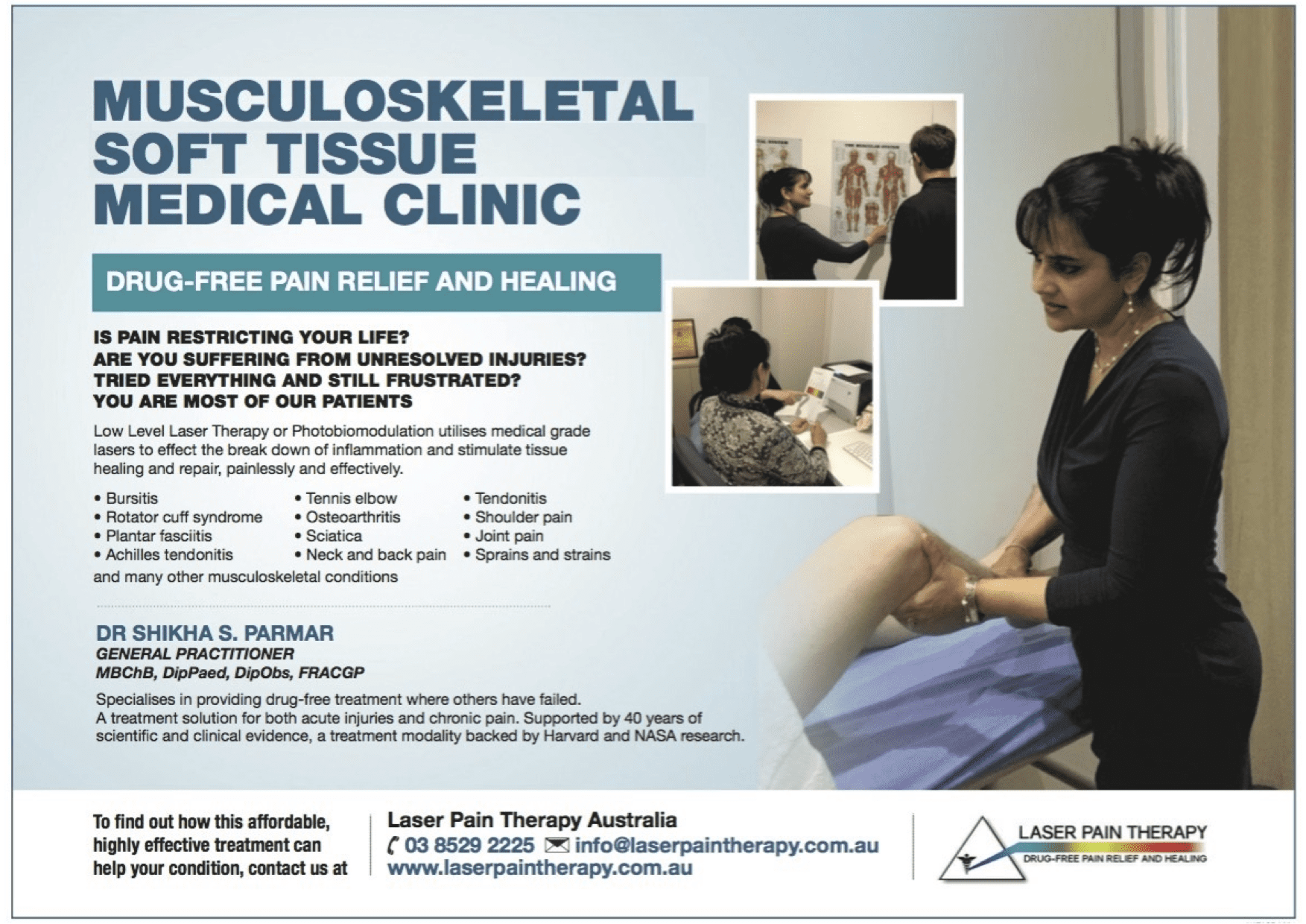
At Laser Pain Therapy, PBMT is delivered within a medically supervised treatment plan, with assessment and ongoing review tailored to the individual. For patients seeking a drug-free option for pain and injury, that level of care can provide reassurance without overstating what any single treatment can achieve.
If you are considering laser therapy, look for a provider who can explain the safety measures in plain language and relate them directly to your condition. Feeling informed is not separate from good treatment – it is part of it.
Contact us today to arrange your consultation and take the first step towards recovery.
Located in Melbourne
(03) 8529 2225 Contact Us