When a sore knee makes stairs feel calculated, a stiff shoulder limits dressing, or back pain turns a short walk into a recovery task, mobility can shrink surprisingly quickly. Understanding how laser treatment improves mobility starts with recognising that movement is rarely limited by one issue alone. Pain, inflammation, protective muscle tension, reduced joint use and slow tissue healing can reinforce each other.
Photobiomodulation Therapy (PBMT), also known as Low-Level Laser Therapy (LLLT), is a non-invasive, drug-free treatment used to support the body’s healing processes. In a clinical setting, it can form part of an individualised plan for people with acute injuries, chronic musculoskeletal pain and degenerative joint conditions. The goal is not simply to make movement more tolerable for a day or two. It is to help address factors that prevent comfortable, confident function.
Why pain and stiffness reduce mobility
Mobility means more than joint range of motion. It is the practical ability to walk, reach, bend, lift, work, exercise and manage daily life without constantly anticipating pain. When tissue is irritated or injured, the nervous system often responds by making the area feel painful, stiff or weak. This protective response can be useful initially, but persistent pain may lead people to avoid movement long after it is helpful to begin restoring it.
Reduced activity can then create further problems. Muscles lose conditioning, joints become less accustomed to their normal range, and ordinary tasks can feel disproportionately difficult. For someone with knee osteoarthritis, for example, less walking may reduce confidence and leg strength. For an office worker with neck and shoulder pain, guarding the area can contribute to restricted movement and ongoing tension.
Effective care considers this whole pattern. A treatment that helps reduce pain and inflammation may create a valuable opportunity to move more normally, complete rehabilitation exercises and rebuild function.
How laser treatment improves mobility at a cellular level
PBMT uses specific wavelengths of light delivered to targeted areas of the body. Unlike surgical lasers, therapeutic laser treatment does not cut or heat tissue. The light energy is absorbed by cells and is intended to support biological processes involved in cellular energy production, circulation and tissue repair.
This is why the treatment is also described as photobiomodulation: light is used to influence, or modulate, biological activity. Research into PBMT has examined its effects on inflammatory processes, pain signalling and recovery in muscles, tendons, ligaments, joints and other soft tissues.
For a person whose movement is restricted by a painful tendon, strained muscle or irritated joint, these effects may be clinically relevant in several ways.
Reducing pain that inhibits movement
Pain changes how people move. You may shorten your stride, avoid putting weight through one leg, stop reaching overhead or hold your back rigidly. While understandable, these adaptations can place stress on other structures and make normal function harder to regain.
Laser therapy may help modulate pain by influencing local inflammatory activity and nerve-related pain pathways. As pain settles, some patients find they can begin moving a joint more freely or tolerate activities that were previously difficult. The benefit is not that treatment forces movement through pain. Rather, it aims to reduce barriers that make appropriate movement difficult.
Supporting inflammation management
Inflammation is part of normal healing after an injury, but prolonged or excessive inflammatory activity can contribute to swelling, tenderness and stiffness. This may occur after a sports injury, repetitive strain, a flare of arthritis or persistent soft-tissue irritation.
PBMT is used to support the body’s inflammatory response without relying on medication. For people trying to reduce their dependence on anti-inflammatory medicines, or for those who cannot tolerate certain medicines well, this can be an important consideration. It is not a replacement for medical assessment where medication is required, but it may be a useful component of a broader pain-management approach.
Assisting tissue repair and recovery
Movement often remains limited when an injury has not recovered sufficiently. Tendons, ligaments and other soft tissues can take time to heal, particularly where the affected area is repeatedly loaded at work, in sport or through everyday tasks.
By supporting cellular activity and local circulation, laser treatment may assist tissue recovery. This is particularly relevant when treatment is paired with sensible load management. A runner with Achilles tendon pain, for instance, may need both a reduction in aggravating training and a gradual return-to-loading plan. Laser therapy can support recovery, but it cannot make an overloaded tendon resilient if the underlying demands remain unchanged.
Conditions where improved mobility may be a treatment goal
The mobility benefits of PBMT depend on the diagnosis, severity, duration of symptoms and the person’s general health. It is commonly considered for musculoskeletal conditions where pain, inflammation or soft-tissue dysfunction is limiting daily activity.
This can include osteoarthritis affecting the knee, hip, hands or spine; shoulder pain such as rotator cuff-related conditions; neck and lower-back pain; tennis elbow; plantar fasciitis; tendon injuries; sprains; muscle strains; and repetitive strain injuries. It may also be used for some nerve-related pain conditions where a doctor considers it appropriate.
Children and young people with sports or overuse injuries may also benefit from a carefully assessed, non-invasive approach. Their treatment plan should account for growth, training demands and the specific diagnosis, rather than treating pain in isolation.
Not every mobility problem is suitable for laser treatment alone. Severe weakness, joint instability, a suspected fracture, acute neurological symptoms, unexplained swelling or pain associated with systemic illness needs prompt medical assessment. A clear diagnosis review matters because similar symptoms can have very different causes.
What treatment feels like and what to expect
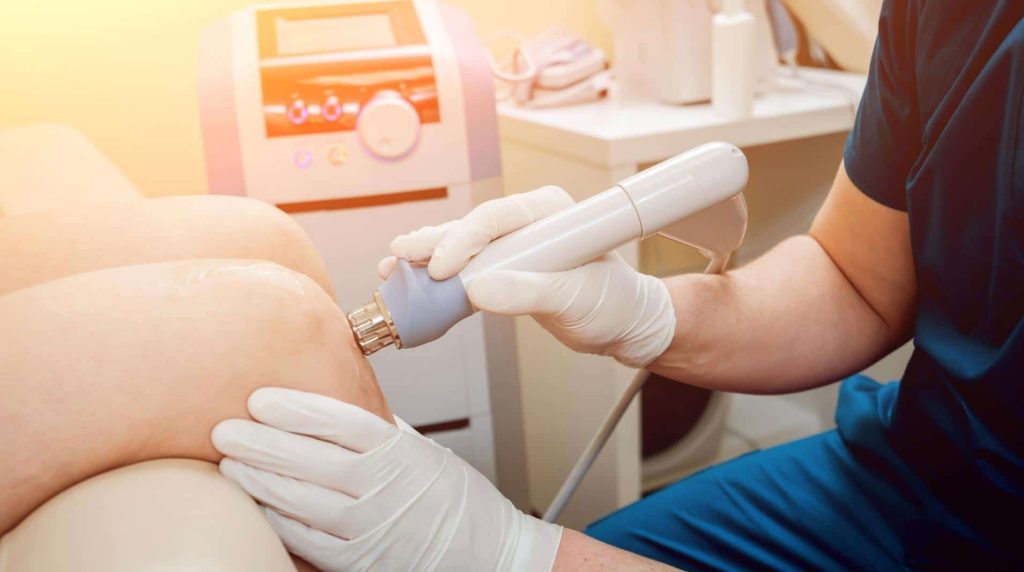
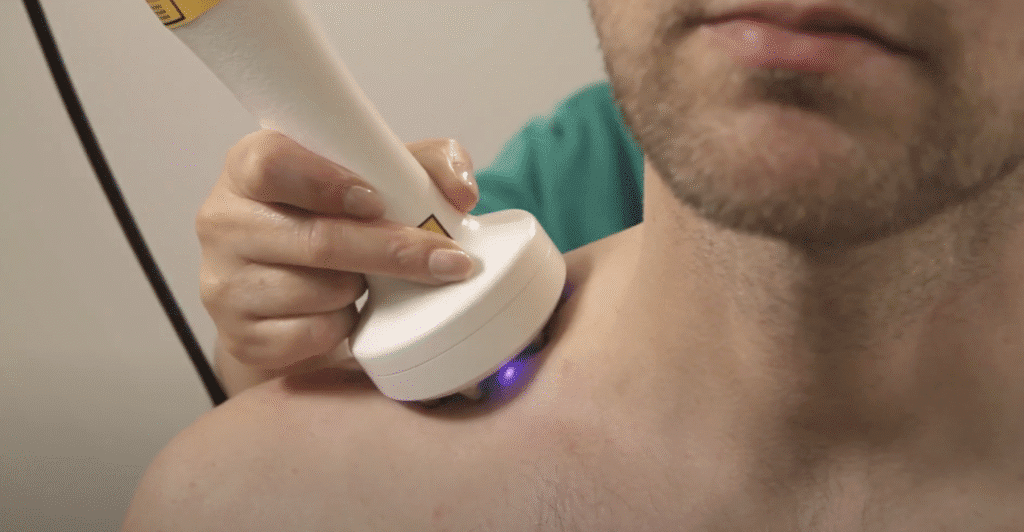
Laser treatment is comfortable. During a session, the laser is applied to the relevant area using a planned protocol based on the condition, tissue depth and treatment goals. There is no injection, incision or recovery period, so most people can return to normal activities immediately, unless they have been given specific activity advice.
The number of sessions varies. A recent muscle strain may respond differently from longstanding osteoarthritis or chronic back pain. Chronic conditions often require a series of treatments and a more structured plan because pain, movement habits and tissue changes have developed over time.
Some people notice a change in comfort or movement early in treatment. Others improve more gradually as pain settles and they can increase activity safely. Results cannot be guaranteed, and a responsible treatment plan should include regular review rather than assuming the same approach will suit everyone.
Laser therapy works best as part of a mobility plan
For many patients, the most meaningful gains occur when laser therapy is combined with appropriate movement and rehabilitation. Once pain is less limiting, targeted exercises can help restore strength, balance, flexibility and confidence in the affected area.
The right plan might involve gentle walking progression for knee pain, graded shoulder exercises after a tendon injury, ergonomic adjustments for repetitive strain, or temporary changes to sport and work tasks. Pushing through severe pain is not the aim. Equally, avoiding all movement for too long can delay recovery. The appropriate level of activity depends on the diagnosis and stage of healing.
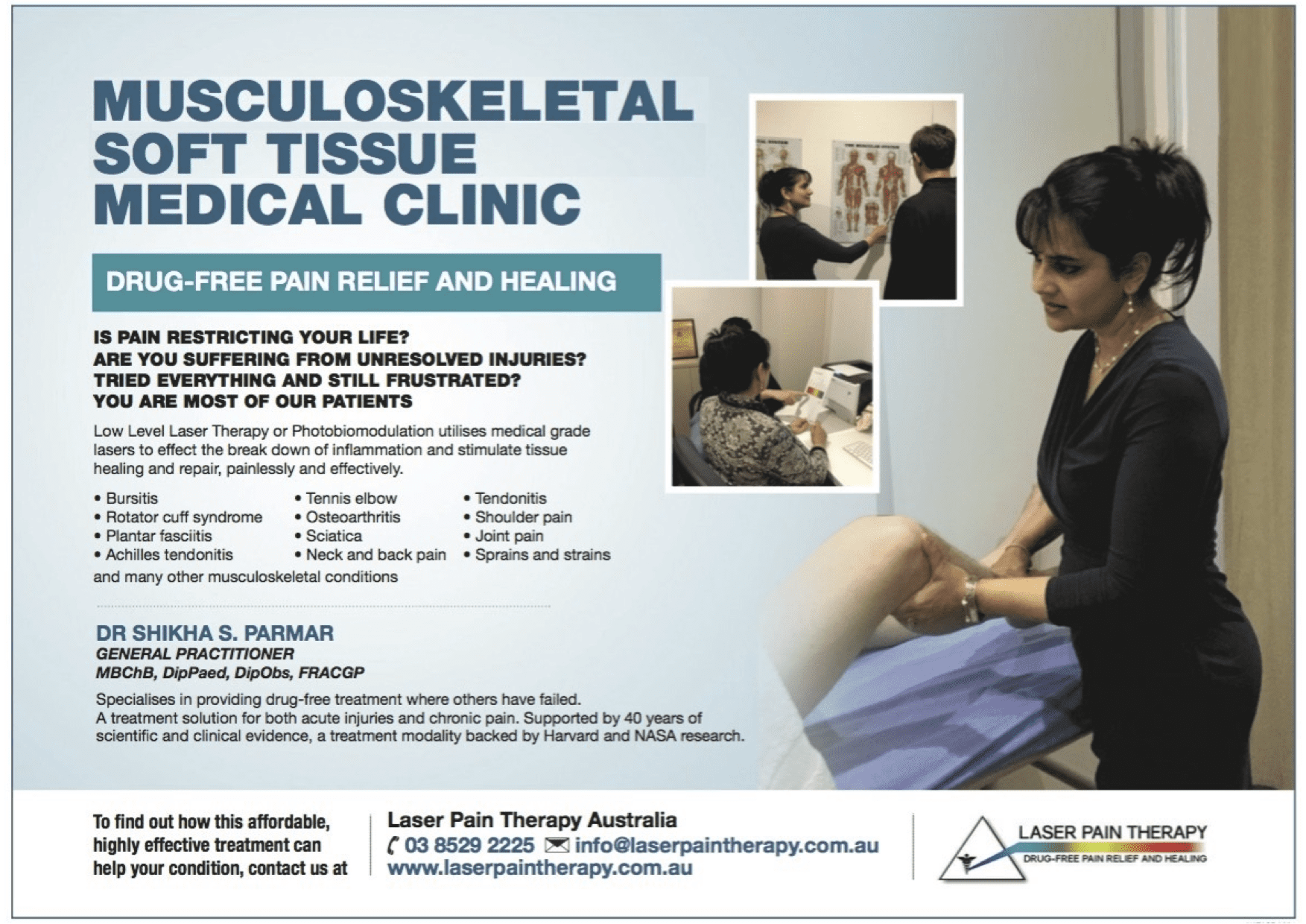
At Laser Pain Therapy, medically supervised assessment and personalised planning help ensure PBMT is used for the condition in front of the clinician, not as a generic wellness treatment. This is especially valuable for people whose pain has persisted despite previous treatment or who are seeking a non-surgical, drug-free option with clear clinical guidance.
When mobility improvement takes longer
A gradual pace does not necessarily mean treatment is failing. Longstanding pain may involve deconditioning, altered movement patterns, sleep disruption, stress and fear of aggravating symptoms. Osteoarthritis can also involve structural joint changes that no therapy can reverse completely.
In these situations, the practical objective may be reduced pain during walking, greater ease getting out of a chair, improved tolerance for work tasks or returning to a valued activity. Even modest improvements in function can make a substantial difference to independence and quality of life.
If movement has become smaller because pain has taken over everyday decisions, a clinically guided plan can help create room to move again – carefully, progressively and with the right support.
Contact us today to arrange your consultation and take the first step towards recovery.
Located in Melbourne
(03) 8529 2225 Contact Us