
A sore back that stops you sleeping, knee arthritis that makes stairs difficult, or a tendon injury that will not settle can leave you looking for relief quickly. In the discussion around laser treatment versus opioids, the real question is not simply which option reduces pain fastest. It is which approach is appropriate for the cause of your pain, your health history and your goal of returning to comfortable movement with the least possible risk.
Opioid medicines can have a legitimate role in carefully selected situations, particularly severe acute pain. However, they do not repair injured tissue or resolve the mechanical, inflammatory or degenerative drivers of many musculoskeletal conditions. Photobiomodulation Therapy (PBMT), also called Low-Level Laser Therapy (LLLT), offers a drug-free treatment option designed to support tissue healing, reduce inflammation and improve function under medical guidance.
Laser treatment versus opioids: the key difference
Opioids work primarily in the nervous system. They alter how the brain and spinal cord perceive pain signals. For some people, this may provide short-term relief after major trauma, surgery or a serious acute injury. Yet opioids generally do not address why a tendon is overloaded, why a joint is inflamed, or why painful soft tissue has not recovered.
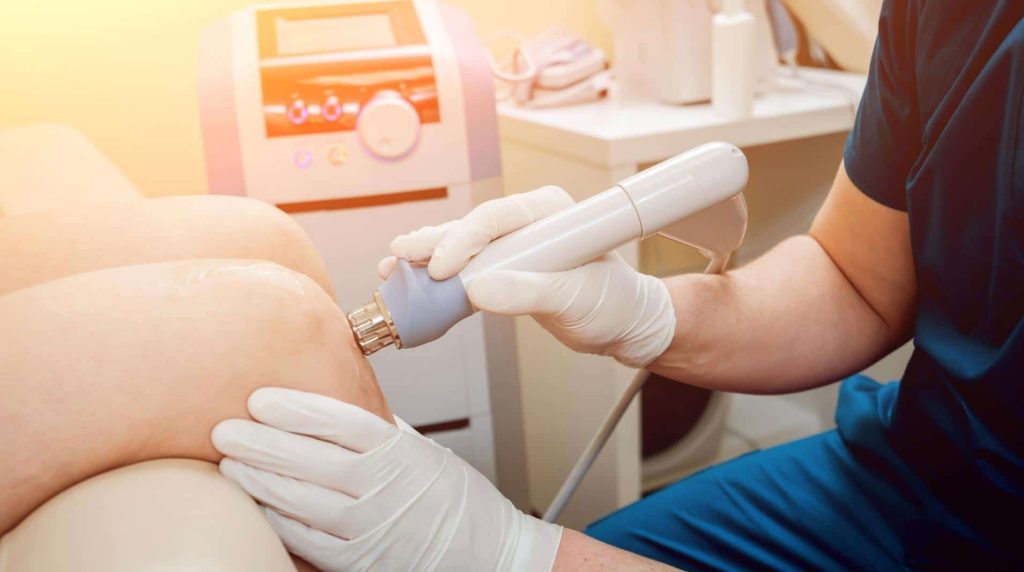
PBMT works differently. Specific wavelengths of low-level laser light are applied to the affected area. The light energy is absorbed by cells and can support cellular activity involved in tissue repair, circulation and modulation of inflammation. Treatment is non-invasive, comfortable and does not cause sedation or intoxication. It is used for a range of musculoskeletal concerns, including osteoarthritis, neck and back pain, sports injuries, tendon disorders, repetitive strain injuries and some nerve-related pain conditions.
That distinction matters for people managing persistent pain. Suppressing pain can be useful, but restoring movement and supporting recovery is often the more meaningful long-term objective.
Why reliance on opioids deserves careful review
When used exactly as prescribed, opioids may be suitable for a short period. They are not inherently inappropriate medicines. The concern arises when short-term use becomes ongoing treatment for chronic non-cancer pain without a clear improvement in function, or when the risks begin to outweigh the benefit.
Common side effects include drowsiness, nausea, constipation, dizziness and impaired concentration. These effects can make driving, work, caring for family or staying active more difficult. With continued use, some people develop tolerance, meaning a previous dose no longer provides the same effect. Physical dependence can also occur, and stopping suddenly may lead to withdrawal symptoms.
For older adults, people taking sedating medicines, and those with respiratory conditions or sleep apnoea, opioid risks can be particularly significant. Long-term use may also contribute to reduced activity, poorer balance and a cycle where pain, deconditioning and medication dependence reinforce one another.
This does not mean patients should stop opioid medication on their own. Abrupt changes can be unsafe. Any reduction or change in pain medication should be planned with the prescribing doctor, who can consider your diagnosis, current dose, other medicines and overall health.
What PBMT can and cannot do
PBMT is not a blanket replacement for pain medicine, nor is it a cure for every cause of pain. A fracture, infection, progressive neurological symptoms, severe trauma or pain associated with cancer needs prompt medical assessment and may require a different treatment pathway. Likewise, severe acute pain may sometimes require medication while the underlying condition is being investigated or treated.
For suitable musculoskeletal conditions, laser therapy may help reduce local inflammation, relieve pain and support recovery in soft tissue, joints, tendons, ligaments and muscles. Patients often seek it when pain has persisted despite rest, medication, exercise programs or other conservative care. The aim is not merely to make symptoms more tolerable for a few hours. It is to create better conditions for healing and a gradual return to normal activity.
Results depend on several factors: the diagnosis, duration and severity of the condition, the treatment area, general health, activity demands and whether aggravating factors are addressed. A recent sporting strain may settle differently from longstanding shoulder tendinopathy or advanced knee osteoarthritis. For this reason, a personalised plan is more useful than a one-size-fits-all treatment schedule.
Comparing benefits and limitations
The appeal of opioids is understandable. They can act quickly and may offer temporary relief when pain is severe. Their limitation is that they are systemic medicines, affecting the whole body while leaving many local tissue problems unchanged. They may also make it harder to judge whether an activity is aggravating an injury.
Laser therapy is localised to the treatment area and has no risk of medication dependence. It does not impair alertness, so patients can usually continue with work and daily responsibilities after an appointment. It can be particularly attractive for people who cannot tolerate certain medicines, are concerned about drug interactions, or want to reduce their reliance on pharmaceuticals with medical supervision.
The trade-off is that PBMT is usually delivered as a course of care, not a single instant solution. Meaningful improvement may be gradual, particularly in chronic conditions. It also works best as part of a sound clinical plan that may include diagnosis review, load management, appropriate movement or rehabilitation, and advice on preventing recurrence.
When laser therapy may be worth considering
A doctor-led assessment can clarify whether PBMT is likely to be relevant to your symptoms. It may be considered when pain involves a diagnosed or suspected musculoskeletal structure, especially where inflammation, overuse, reduced tissue recovery or movement restriction are contributing factors.
People commonly ask about treatment for painful knees, hips, shoulders, elbows, wrists, necks and lower backs. It may also be appropriate for plantar fasciitis, Achilles pain, tennis elbow, rotator cuff problems, muscle strains and repetitive workplace injuries. Children and young athletes with suitable injuries may benefit from a non-invasive approach, although assessment is essential to rule out conditions needing other care.
Seek timely medical attention rather than self-managing if you have new weakness, loss of bladder or bowel control, unexplained fever, unrelenting night pain, significant swelling after an injury, chest pain, or numbness that is worsening. These symptoms require clinical assessment before any treatment decision.
A safer conversation to have with your doctor
If you are taking opioids and feel they are no longer helping you function, bring that concern to your GP or pain clinician. Useful questions include whether the original diagnosis has been reviewed, what functional improvement the medicine is providing, and whether a structured non-drug treatment plan could be added.
The goal is not to judge anyone for using pain medicine. Persistent pain is exhausting, and many people have tried multiple treatments before seeking further help. The goal is to make choices based on the best available clinical information and to keep treatment focused on what matters in daily life: walking comfortably, sleeping better, returning to work, playing with grandchildren or getting back to sport.
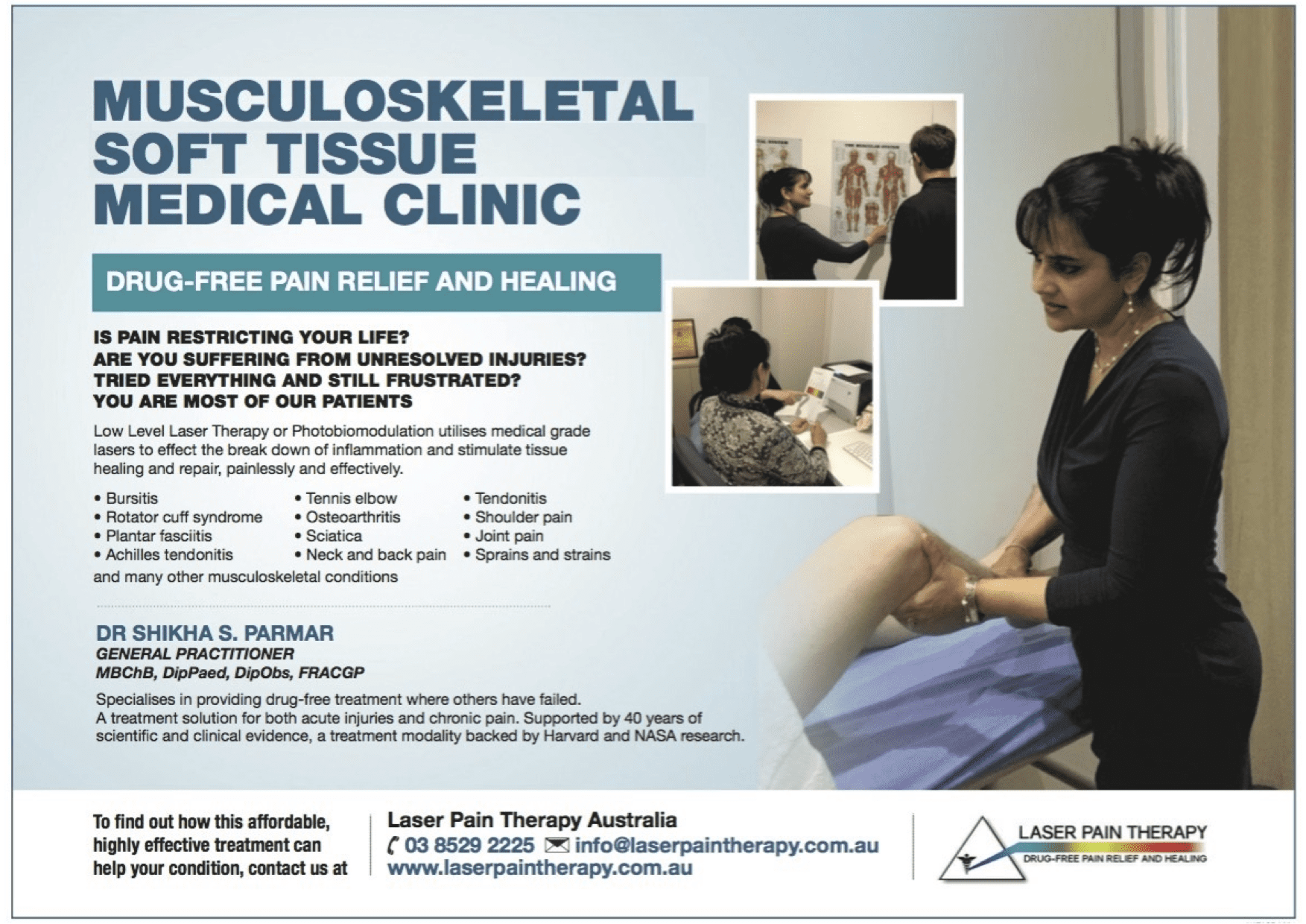
At Laser Pain Therapy, PBMT is provided within a medically supervised framework, with assessment and treatment planning tailored to the individual rather than a generic wellness session. This is particularly valuable when pain has become chronic, diagnosis is unclear, or medication has become the main strategy without restoring function.
Choosing the right path for persistent pain
The choice between laser treatment versus opioids is rarely an either-or decision made in isolation. Some patients may need short-term medication while beginning a recovery plan. Others may be able to pursue non-drug care first. What is appropriate depends on the source of pain, its severity, medical history and the risks of each option.
For ongoing musculoskeletal pain, it is reasonable to seek an approach that looks beyond symptom suppression. A careful diagnosis, realistic treatment plan and drug-free options such as PBMT can help shift the focus from simply getting through the day to moving through it with greater confidence and comfort.
Contact us today to arrange your consultation and take the first step towards recovery.
Located in Melbourne
(03) 8529 2225 Contact Us