A stiff neck after a long day at the computer, tingling through the wrist after repetitive keyboard work, or a shoulder that aches after lifting can start as a minor annoyance. Left unchecked, these symptoms can interfere with sleep, concentration, work capacity and everyday movement. Laser therapy for workplace strain is a drug-free, non-invasive option that may help reduce pain and inflammation while supporting the body’s tissue-repair processes.
Workplace strain is not limited to office-based roles. It can affect people who use tools, drive for extended periods, work on production lines, care for others, stock shelves or perform repeated manual tasks. The right treatment depends on the structure involved, the duration of symptoms and whether there are signs of nerve irritation or a more serious injury.
What workplace strain can look like
Work-related strain commonly develops through repetition, sustained posture, forceful movements or inadequate recovery between tasks. A workstation does not need to be obviously poorly designed for symptoms to occur. Even a well-set-up desk can contribute to pain when someone is under pressure, remains seated for too long or repeatedly works with their shoulders elevated and head forward.
Common presentations include neck and upper-back pain, shoulder tendinopathy, tennis elbow, forearm tightness, wrist pain, thumb pain, lower-back strain and hip discomfort from prolonged sitting or driving. Some people develop numbness, pins and needles, burning pain or weakness in the hand or arm. These symptoms may indicate nerve involvement and should be clinically assessed rather than simply treated as muscle tension.
Manual workers can experience similar problems in different tissues. Repeated gripping, lifting, twisting, overhead work and vibration exposure can overload tendons, ligaments, muscles and joints. The issue is often cumulative: a small injury persists because the same work demand continues every day.
How laser therapy for workplace strain works
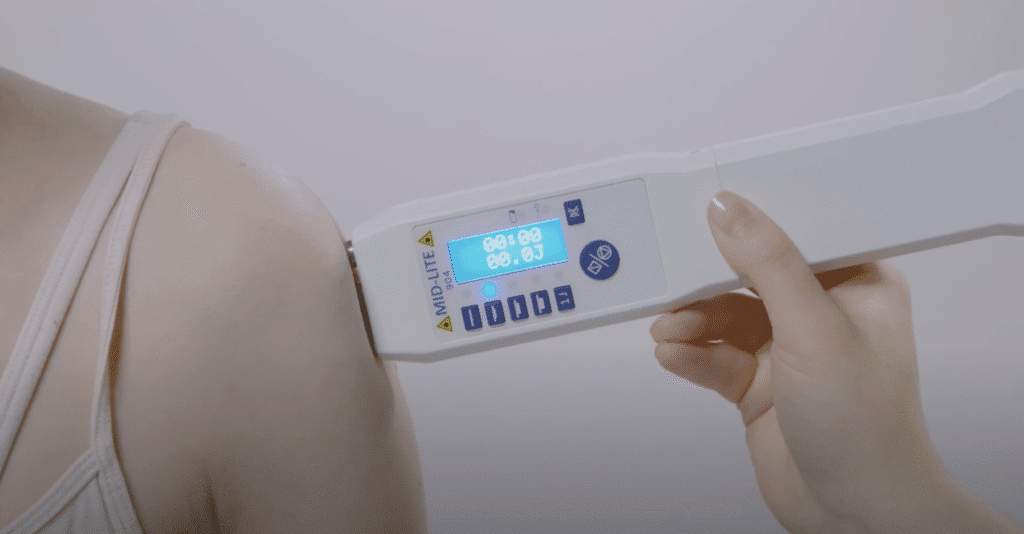
Photobiomodulation Therapy, also known as Low-Level Laser Therapy or PBMT, uses specific wavelengths of light delivered to affected tissue. The treatment is comfortable and does not heat or damage the skin. At a cellular level, the light energy is absorbed by cells and may support mitochondrial activity, circulation and processes involved in tissue repair.
For workplace-related musculoskeletal pain, clinically led laser therapy is used to help reduce inflammation, ease pain and support healing in structures such as muscles, tendons, ligaments and soft tissue. It may also assist with recovery where persistent pain has led to guarding, reduced movement and loss of function.
PBMT is not a quick fix for every ache. It is most useful when it forms part of an individualised management plan based on a proper review of the likely diagnosis, work demands and contributing factors. For example, a person with recent forearm tendon pain may require a different treatment approach from someone with longstanding neck pain, headaches and arm tingling.
Why clinical assessment matters
Pain location alone does not identify the source of a problem. Wrist pain may arise from an irritated tendon, joint inflammation, nerve compression or referred pain from the neck. Shoulder pain can reflect tendon overload, bursitis, joint restriction or cervical spine involvement. Treating the wrong area, or relying on a generic protocol, may delay meaningful improvement.
A doctor-led assessment can review symptom history, previous imaging or treatment, medications, movement limitations and relevant medical conditions. This helps determine whether laser therapy is appropriate, whether further investigation is needed and what other measures should accompany treatment.
What treatment may involve
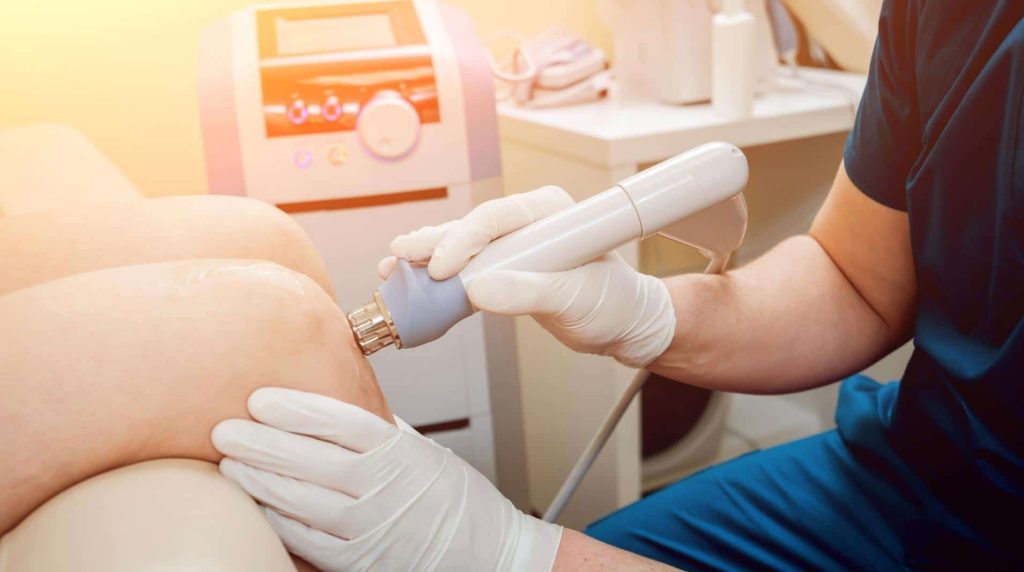
Treatment begins with identifying the painful and dysfunctional areas, rather than applying a one-size-fits-all session. The clinician directs the laser to the relevant tissues using parameters selected for the condition and treatment goals. Sessions are comfortable, and patients can generally return to normal activities straight afterwards.
The number of sessions varies. Acute muscle strain or a recent overload injury may settle with a relatively short course, particularly when the aggravating activity can be modified. Chronic tendinopathy, recurrent neck pain or symptoms that have persisted for months may need a more structured plan. Progress should be reviewed based on changes in pain, range of motion, strength, work tolerance and function, not simply on how someone feels immediately after one session.
Some people notice an early reduction in pain or stiffness. Others experience gradual improvement as irritated tissue settles and movement becomes easier. Recovery also depends on continued exposure to the cause of the strain. If a worker returns to prolonged, unsupported or forceful activity without changes to load, breaks or technique, symptoms can recur.
Pair treatment with practical workplace changes
Laser treatment can support recovery, but it cannot remove the physical demands that caused the problem. Sustainable improvement usually requires attention to the way work is performed.
For desk-based work, this may mean adjusting screen height, bringing the keyboard and mouse closer, supporting the forearms and changing position regularly. The goal is not a perfectly rigid posture. The body generally tolerates varied movement better than holding any one posture for hours.
For physical roles, useful changes may include reviewing lifting technique, alternating repetitive tasks, reducing unnecessary reaching, changing grip demands or using appropriate aids. A gradual return to heavier duties is often safer than pushing through pain after a period of reduced activity. Where possible, early discussion with an employer can make temporary task modification more practical.
Strength and mobility work may also be appropriate, especially for recurring symptoms. However, exercises need to match the diagnosis. Aggressive stretching of an irritated nerve or heavy loading of an acutely inflamed tendon can worsen symptoms. A tailored plan should balance tissue healing with the need to restore confidence and capacity.
When workplace pain needs prompt medical review
Most strains improve with appropriate management, but certain symptoms should not be ignored. Seek prompt medical assessment if pain follows significant trauma, there is marked swelling or deformity, weakness is progressing, or numbness is persistent. Sudden loss of grip strength, severe neck pain with arm symptoms, loss of coordination, fever, unexplained weight loss or changes in bladder or bowel control require urgent medical attention.
It is also worth arranging an assessment when pain has lasted more than a few weeks, repeatedly returns, disrupts sleep or requires frequent pain medication to get through the workday. Persistent pain is not always a sign of permanent damage, but it does deserve a clear diagnosis and a plan that addresses both symptoms and the source of ongoing overload.
Is PBMT suitable for everyone?
PBMT is widely used as a non-invasive option for musculoskeletal conditions and is suitable for many adults and older patients. It can be particularly appealing to people who want to reduce reliance on anti-inflammatory medication or avoid more invasive interventions where appropriate.
That said, suitability is individual. A clinician should consider pregnancy, active cancer in the treatment area, medical history and the nature of the injury before treatment begins. Laser therapy should also not replace assessment of conditions that may require medication, surgery, imaging or specialist referral.
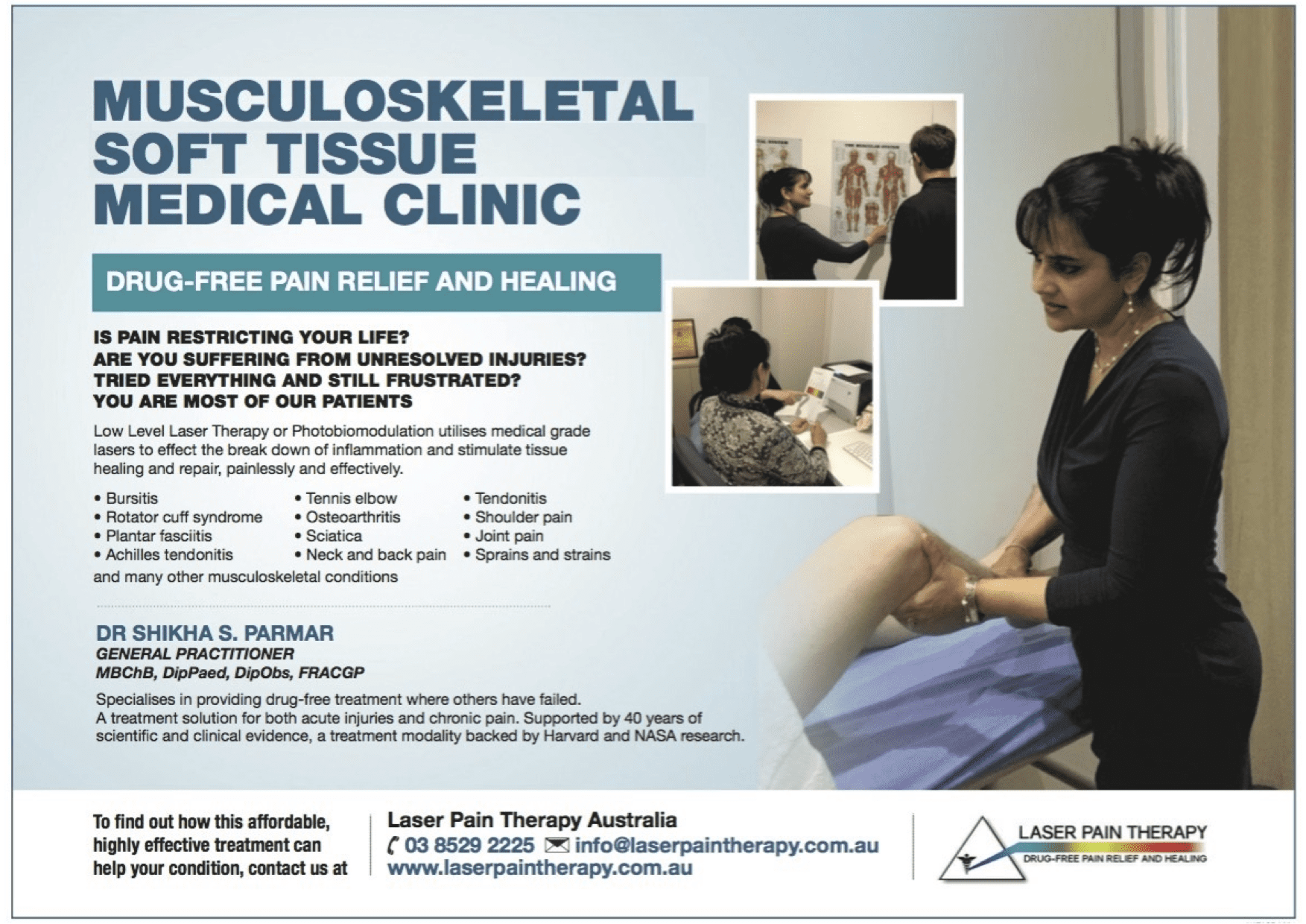
For people in Melbourne whose work pain has become a daily limitation, Laser Pain Therapy provides medically supervised assessment and personalised PBMT treatment planning. The focus is not just temporary relief, but helping patients move more comfortably and return to their usual activities with a clearer path forward.
Please note that Laser Pain Therapy does not bill third-party payers such as WorkCover. Patients pay the clinic directly, while Medicare rebates apply to eligible medical consultations.
Workplace strain often improves when treatment is started early, the diagnosis is understood and work demands are adjusted realistically. If pain is changing how you work, sleep or move, a clinical review can help identify the next sensible step before a manageable problem becomes a long-term one.
Contact us today to arrange your consultation and take the first step towards recovery.
Located in Melbourne
(03) 8529 2225 Contact Us