A painful knee after getting out of a chair, stiff fingers at the start of the day, or a hip that limits a simple walk can gradually shrink a person’s world. This guide to PBMT for arthritis explains where photobiomodulation therapy may fit: not as a cure for arthritis, but as a medically supervised, drug-free option that may help reduce pain, settle inflammation and support better movement.
PBMT, also called Low-Level Laser Therapy or LLLT, uses specific wavelengths of light delivered to the affected area. Unlike surgical lasers, it does not cut, burn or damage tissue. Treatment is comfortable, and the aim is to influence cellular processes involved in inflammation, circulation, pain signalling and tissue repair.
What arthritis pain actually involves
Arthritis is not one condition. Osteoarthritis is the most common type and involves changes to joint cartilage, bone and surrounding tissues over time. It often affects the knees, hips, hands, feet and spine. Pain may be linked to joint loading, stiffness, muscle weakness, local inflammation and reduced confidence in movement.
Inflammatory forms of arthritis, such as rheumatoid arthritis or psoriatic arthritis, involve immune-system activity and need ongoing medical management. PBMT may be considered as supportive care for local pain and function, but it does not replace assessment by a GP, rheumatologist or prescribed disease-modifying medication.
This distinction matters. The best plan for a sore osteoarthritic knee is not necessarily the best plan for a hot, swollen joint caused by inflammatory disease. A clinical assessment helps identify the likely pain source and whether laser therapy is appropriate alongside exercise, medication, weight management, physiotherapy or specialist care.
How PBMT for arthritis works
Photobiomodulation therapy delivers red and near-infrared light at therapeutic doses. These wavelengths can reach tissues at different depths, depending on the device, settings and area being treated. At a cellular level, light energy is absorbed by structures involved in energy production, which may help modulate inflammatory mediators and support normal tissue recovery processes.
For a person with arthritis, the practical goals are clearer than the biology: less pain during daily tasks, reduced stiffness, improved joint movement and greater capacity to exercise safely. PBMT may also help address painful soft tissues around a joint, including tendons, ligaments and muscles that have become overloaded because movement has changed.
Results vary. Arthritis that has developed over years will not be reversed after one appointment, and advanced structural joint changes may still require other treatment options. However, reduced pain can create a useful window for rebuilding strength, improving walking tolerance and returning to activities that have become difficult.
What the evidence suggests
Research into PBMT for musculoskeletal pain has found potential benefits for pain reduction and function in some arthritis presentations, particularly when treatment parameters are appropriate. Dose, wavelength, treatment frequency and the accuracy of the treatment area all affect outcomes. This is why a clinical-grade device and an individualised protocol matter more than a generic light treatment.
PBMT is best viewed as part of a broader management plan rather than a stand-alone answer. For osteoarthritis, maintaining joint strength and regular, tolerable movement remains central to long-term function. If pain is preventing that movement, a non-invasive treatment that helps settle symptoms may be clinically useful.
Who may benefit from a guide to PBMT for arthritis
PBMT may suit adults with osteoarthritis-related pain in the knee, hip, hands, shoulder, spine or feet, particularly where pain and stiffness are limiting mobility. It may also be considered for people who are trying to reduce reliance on pain medication, cannot tolerate some medicines, or want a non-surgical option before considering more invasive interventions.
It can be especially relevant when the problem is not only the joint itself. Knee arthritis, for example, may lead to guarding, weak thigh muscles, altered walking patterns and sore tendons around the knee. Treating the painful region while addressing movement and strength can be more helpful than focusing on an X-ray result alone.
A person with mild, occasional symptoms may need only education and a home exercise plan. Someone with persistent pain, disrupted sleep or declining function may benefit from a more structured course of care. The decision depends on the diagnosis, severity, goals and response to previous treatment.
What happens during treatment
A medically guided PBMT programme should begin with a review of your symptoms, relevant scans or reports, medical history and current medications. Your clinician will assess the painful joint and surrounding structures, consider contributing factors, and discuss whether PBMT is suitable for you.
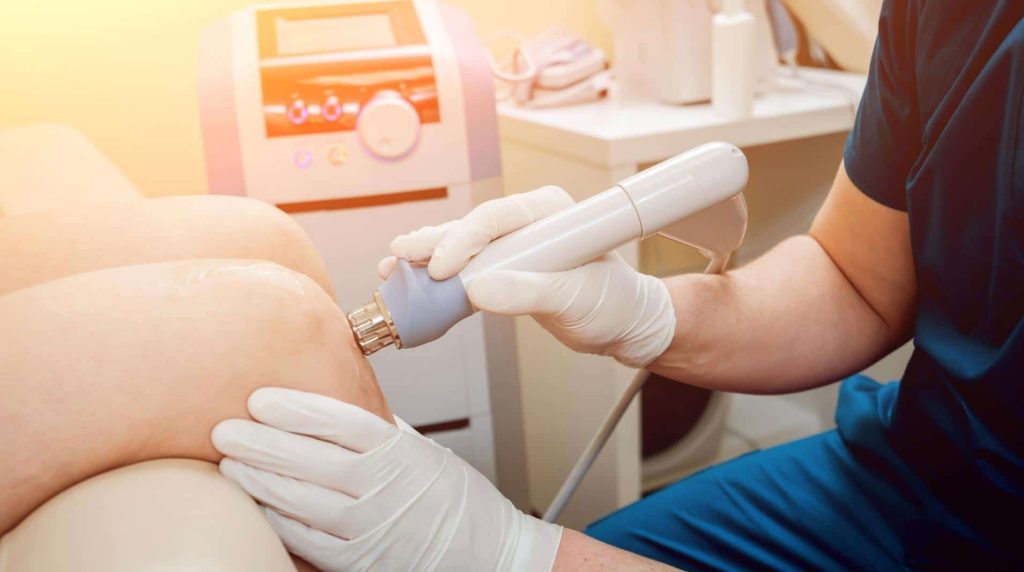
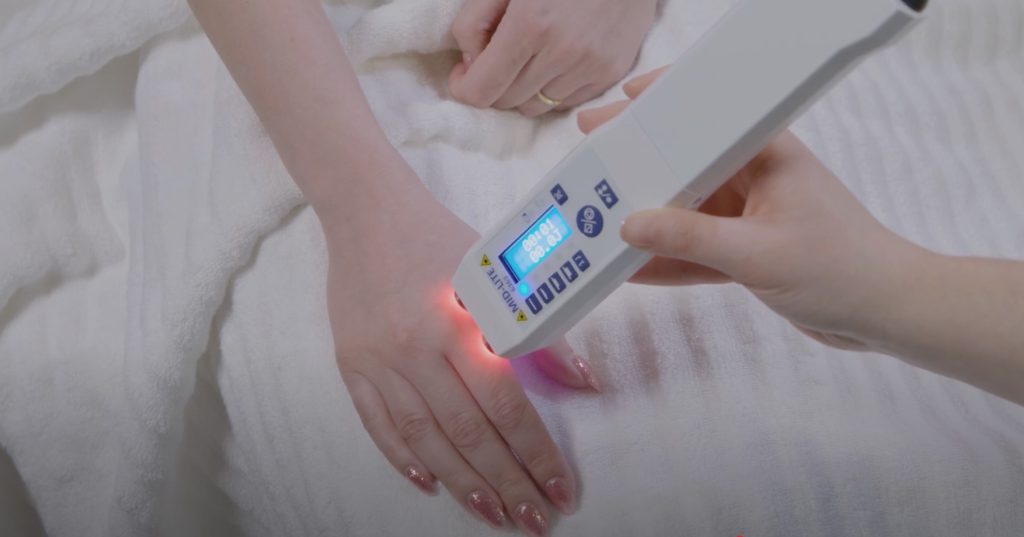
During treatment, the laser applicator is placed over selected points around the painful area. Sessions are comfortable. You may feel little or no sensation, although some people notice mild warmth depending on the settings and tissue being treated. There is no injection, incision or recovery time, so most people return to normal daily activities afterwards.
The number of sessions depends on the condition. Recent flare-ups may settle differently from chronic arthritis that has affected movement for years. A treatment plan may start with more frequent sessions, then change as pain, stiffness and function improve. Progress should be measured against practical goals, such as walking further, climbing stairs more comfortably, sleeping better or using your hands with less difficulty.
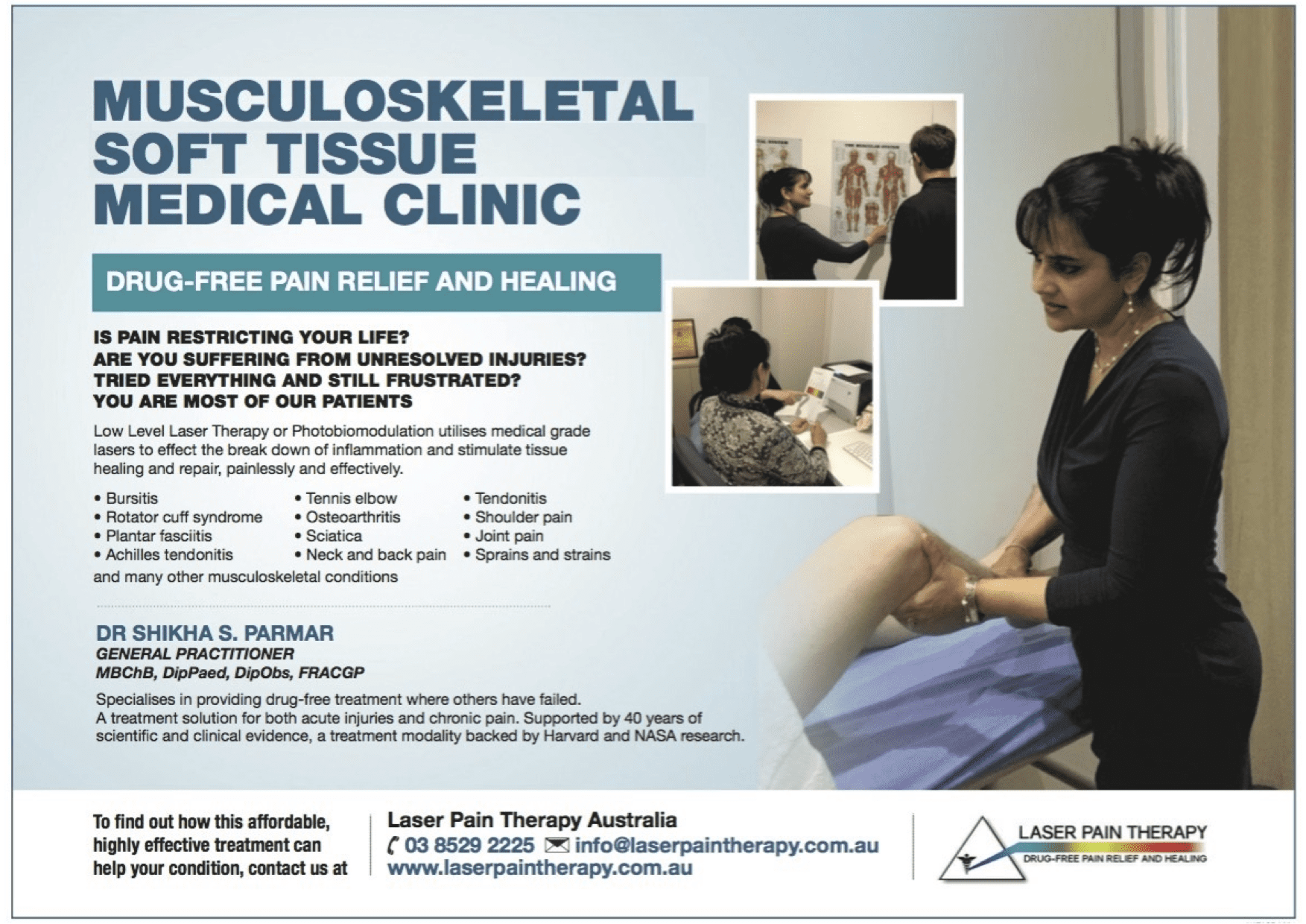
At Laser Pain Therapy, treatment planning is directed by clinical assessment rather than a one-size-fits-all package. This is particularly relevant for arthritis because pain can arise from joint degeneration, inflammation, tendon irritation, nerve sensitivity or a combination of factors.
Safety, precautions and realistic expectations
PBMT is non-invasive and well tolerated when delivered appropriately. It is not the same as high-powered surgical or cosmetic laser treatment. Still, a proper safety screen is essential. Your clinician should know about pregnancy, a history of cancer, photosensitivity, active bleeding, impaired sensation, implanted devices and any medicines that may increase light sensitivity.
Laser treatment is not applied directly over a known or suspected malignancy, and unexplained symptoms should be investigated rather than treated as routine arthritis. Seek prompt medical assessment for a suddenly red, hot and very swollen joint, fever, a recent serious injury, new numbness or weakness, unexplained weight loss, or pain that is severe and rapidly worsening.
Be wary of promises that PBMT will regrow cartilage or cure every form of arthritis. Those claims are not realistic. A credible treatment plan explains both the potential benefits and the limits. The aim is to improve pain control and function, then use that improvement to support lasting habits that protect the joint.
Getting more from PBMT treatment
The benefit of PBMT is often strongest when it supports active recovery. Gentle strengthening helps joints tolerate load more effectively. Mobility work can reduce stiffness, while pacing can prevent the boom-and-bust cycle of doing too much on a good day and paying for it afterwards.
For knee or hip arthritis, this might mean a graduated walking plan and targeted lower-limb exercises. For hand arthritis, it may involve improving grip tolerance, adapting repetitive tasks and keeping the hands moving without forcing painful ranges. Your clinician can help set a starting point that is realistic for your current symptoms.
Medication also has a place for many people. Some need anti-inflammatory medicines, simple analgesia or injections as part of their care, while others are seeking to reduce medication exposure where clinically appropriate. PBMT does not require an all-or-nothing choice. It can sit alongside conventional treatment under the guidance of your healthcare team.
Living with arthritis should not mean accepting an ever-smaller range of movement. If pain is stopping you from exercising, working, sleeping or enjoying ordinary activities, a clinical assessment can clarify whether PBMT may help you move forward with greater comfort and confidence.
Contact us today to arrange your consultation.
Located in Melbourne
(03) 8529 2225 Contact Us