A sore knee that changes the way you use the stairs, a stiff neck that interrupts sleep, or persistent tendon pain that stops you exercising can make tablets feel like the only practical answer. Yet for many people, the top drug free pain relief options can reduce pain, restore movement and support healing without relying solely on medication.
The right approach depends on the source of pain. A recent ankle sprain, osteoarthritis, sciatica and a long-standing shoulder injury may all feel painful, but they require different management. Drug-free care is most effective when it is based on a clear assessment, realistic goals and a plan that addresses both symptoms and the underlying tissue problem.
Why a diagnosis should come before treatment
Pain is a protective signal, not always a measure of damage. It can persist after tissue healing, and it can also be severe when inflammation, nerve irritation or a structural injury needs attention. Treating every painful condition the same way can delay recovery.
Before beginning a new treatment, consider how the pain started, where it travels, what movements aggravate it and whether there has been loss of strength, swelling or altered sensation. A medical assessment is particularly valuable where pain has lasted more than a few weeks, keeps returning, or has not improved with usual self-care.
Urgent medical review is needed for pain after significant trauma, a hot or visibly swollen joint with fever, new bladder or bowel changes, progressive weakness, unexplained weight loss, or severe pain that is worsening at rest. Drug-free treatment has an important place in pain management, but it should not replace investigation when red flags are present.
Top drug free pain relief options for musculoskeletal pain
Targeted movement and graded exercise
For many joint, muscle and tendon conditions, appropriate movement is treatment. Strengthening surrounding muscles can reduce load on an arthritic knee or hip. Carefully graded tendon loading can help conditions such as Achilles tendinopathy and tennis elbow. Mobility work may improve function after a period of guarding due to back, neck or shoulder pain.
The key word is graded. Pushing through sharp pain or dramatically increasing activity after a sedentary period can flare symptoms. Conversely, complete rest for too long can reduce strength, confidence and joint tolerance. A clinician can help establish a starting level that is challenging enough to build capacity without repeatedly aggravating the injury.
Exercise is not an instant pain reliever, and this is its trade-off. It requires consistency and may take weeks to show meaningful improvement. Its value lies in improving long-term function, resilience and independence.
Heat and cold therapy
Heat can be useful for muscular tightness, stiffness and chronic joint discomfort. A warm pack or shower may make it easier to move in the morning or prepare for gentle exercise. Cold packs can provide short-term relief after an acute soft-tissue injury or a flare involving swelling. However, beyond the acute phase, ice can reduce blood flow and impede healing.
Neither heat nor cold repairs a tendon tear or resolves advanced joint degeneration, but both can make symptoms more manageable with appropriate use. Use a protective layer between the skin and the pack, limit application to short periods, and avoid heat or cold where sensation or circulation is impaired unless advised by a health professional.
Hands-on therapy when it has a clear purpose
Massage, mobilisation and other hands-on techniques may reduce muscle tension and provide temporary pain relief. They can be helpful when pain has led to protective stiffness or when a person needs enough symptom relief to begin moving again.
However, passive treatment alone rarely creates lasting change for chronic musculoskeletal pain. Its best role is usually as part of a broader plan that includes education, progressive movement and treatment directed at the affected tissue. If relief lasts only a day or two and function is not improving, the approach may need to be reassessed.
Sleep, pacing and pain education
Poor sleep can amplify pain sensitivity, impair recovery and lower tolerance for everyday activity. Addressing sleep position, establishing a regular wind-down routine and managing pain-provoking habits can be a meaningful part of treatment, especially for persistent back, neck and joint pain.
Pacing is also practical. Rather than completing all the gardening, cleaning or exercise on a good day and paying for it with a severe flare, break demanding activities into manageable blocks. This is not about avoiding activity. It is about rebuilding capacity in a controlled way.
Understanding pain can reduce fear around safe movement. That does not mean pain is “all in the mind”. It means the nervous system, inflammation, tissue loading, stress, sleep and previous injury can all influence the pain experience. Good care takes these factors seriously while still investigating physical causes.
Bracing, taping and supportive devices
A brace, orthotic, walking aid or supportive tape can temporarily reduce stress on an injured area. For example, an appropriate knee brace may help some people remain active with knee osteoarthritis, while a wrist support may reduce aggravation during a flare of repetitive strain.
These tools work best when they have a specific purpose and timeframe. Over-reliance can lead to reduced confidence or muscle deconditioning in some cases. A clinician can advise whether support is likely to help, how to fit it correctly and when to reduce its use.
Photobiomodulation Therapy, also known as Low-Level Laser Therapy
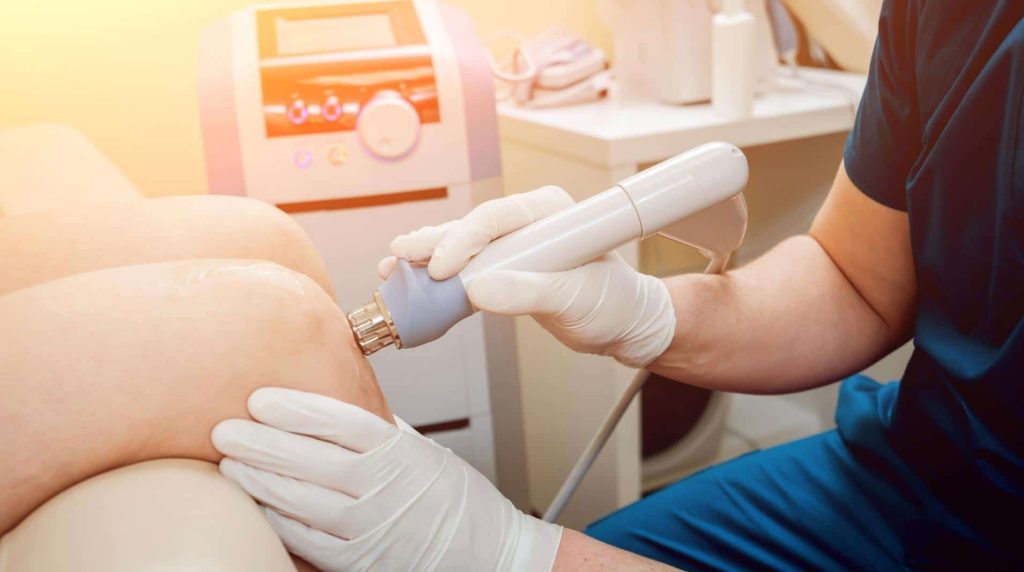
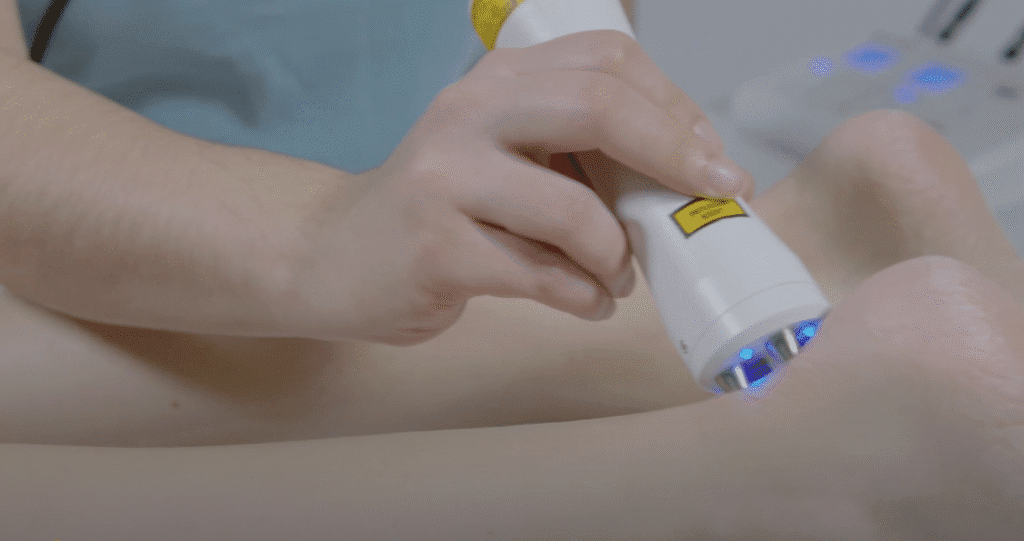
Photobiomodulation Therapy (PBMT), often called Low-Level Laser Therapy (LLLT), is a non-invasive treatment that uses specific wavelengths of light to stimulate cellular processes associated with tissue repair and inflammation modulation. It is used for a range of musculoskeletal conditions involving joints, muscles, tendons, ligaments, nerves and soft tissue.
Unlike a surgical laser, PBMT does not cut, burn or heat tissue. Treatment is comfortable. Depending on the condition and treatment parameters, it may support reduced pain and inflammation, improved circulation, tissue healing and better function.
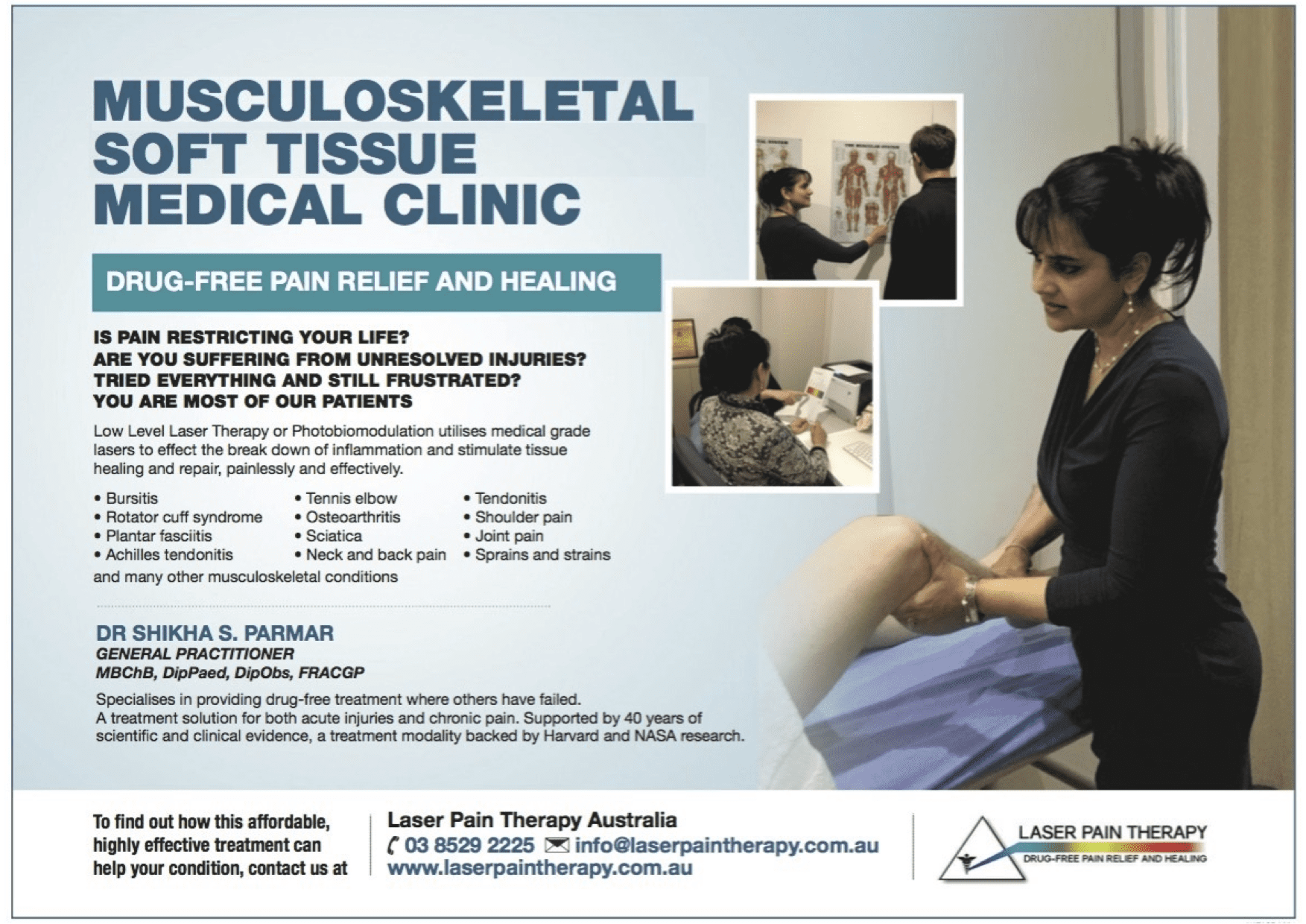
PBMT can be particularly relevant for people who want an option beyond repeated medication use, injections or surgery, or who have not progressed as expected with conventional care. It may be considered for conditions such as osteoarthritis, tendinopathy, sprains and strains, shoulder pain, plantar fasciitis, tennis elbow, back pain and some nerve-related pain presentations.
The quality of assessment and treatment planning matters. Not all devices deliver the same dose, and not all pain presentations are suitable for the same protocol. A medically supervised service can review the diagnosis, identify contributing factors and tailor treatment frequency and laser settings to the condition, stage of injury and recovery goals.
At Laser Pain Therapy, PBMT is delivered as part of an individualised, doctor-led management plan rather than as a generic wellness treatment. This is particularly useful when pain is chronic, recurrent or affecting everyday mobility.
How to choose the right combination of care
The most effective plan is often not one treatment but a considered combination. Someone with an acute ligament sprain may initially need protection, swelling management and a gradual return to loading. Someone with chronic hip osteoarthritis may benefit from strengthening, activity modification, sleep support and a therapy that helps manage pain sufficiently to stay active. A desk worker with neck pain may need ergonomic changes, movement breaks, targeted exercise and assessment of nerve symptoms.
When comparing options, ask practical questions: Is this treatment appropriate for my diagnosis? What outcome should I reasonably expect? How will progress be measured? Does the plan help me return to walking, work, sport or daily tasks? And if it is not helping, when will the diagnosis or strategy be reviewed?
Be cautious of promises of a universal cure. Evidence-informed care is clear about potential benefits and limitations. Some conditions improve quickly; degenerative conditions and long-standing pain commonly require ongoing management. The goal is not always to eliminate every sensation immediately, but to reduce pain, improve function and help you return to the life you value.
When medication may still have a role
Drug-free does not have to mean anti-medication. Analgesics or anti-inflammatory medicines may be appropriate for some people and some stages of recovery, particularly when pain is preventing sleep or necessary movement. The concern is prolonged or poorly supervised reliance, especially where side effects, interactions or inadequate relief are an issue.
A balanced plan uses the least invasive effective option and reviews it over time. For many patients, this means using non-invasive therapies and rehabilitation to reduce the need for medication while keeping medical treatment available when clinically necessary.
Persistent pain deserves more than being told to rest, take tablets and hope for the best. A careful assessment and the right drug-free options can create a clinically appropriate path back to comfortable movement, stronger function and greater confidence in your body
Contact us today to arrange your consultation and take the first step towards recovery.
Located in Melbourne
(03) 8529 2225 Contact Us