
A neck that will not turn properly when reversing the car, shoulders that creep towards your ears at the desk, or a calf that stays tight days after a walk can make ordinary movement feel needlessly difficult. Knowing how to relieve muscle tension starts with recognising that tightness is not always a simple stretching problem. Muscles can tighten in response to overuse, prolonged posture, stress, joint irritation, injury or a problem affecting nearby nerves and soft tissue.
The most effective approach is usually not to force the muscle to relax. It is to reduce the cause of the protective tension, restore comfortable movement and seek assessment when symptoms are persistent, severe or unexplained.
Why muscles become tense
Muscle tension is often the body’s short-term attempt to protect an area it perceives as vulnerable. After lifting, gardening, a sporting injury or a long day at a computer, muscles may contract more than usual to limit movement. This can feel like stiffness, knots, cramping, aching or a pulling sensation.
Sometimes the trigger is obvious. A new gym programme, an awkward sleeping position or several hours driving can leave a particular muscle group sore and guarded. In other cases, the pattern is less clear. Osteoarthritis, tendon irritation, disc-related pain, repetitive strain and nerve sensitivity can all alter how a person moves, leading surrounding muscles to work harder and tighten.
Stress can contribute too. It does not mean the pain is imagined. Stress may increase muscle activity, particularly through the jaw, neck, upper back and shoulders, while poor sleep can lower the body’s capacity to recover from ordinary physical load.
How to relieve muscle tension at home
For mild tension without a significant injury, gentle and regular measures are generally more useful than one aggressive treatment. The goal is to make movement feel safer and easier, not to push through sharp pain.
Keep the area moving gently
Complete rest can be helpful briefly after an acute injury, but staying still for too long may increase stiffness. Try short, comfortable movements several times through the day. For neck tension, this might mean slow turns and nods within a pain-free range. For a tight back, a brief walk or gentle change of position may be more beneficial than remaining on the couch for hours.
Avoid forcing a stretch into pain. A strong stretch can temporarily feel productive while irritating an already sensitive muscle, tendon or joint. Mild pulling is acceptable; sharp, burning or radiating pain is a sign to stop.
Use heat or cold for the right situation
Heat can be soothing for muscles that feel stiff, achy or persistently tight, particularly when there is no new swelling or fresh injury. A warm shower, heat pack or warm compress for a short period may make it easier to move afterwards. Protect the skin and avoid falling asleep with a heat pack in place.
Cold may be more suitable during the first 24 hours after a knock, strain or flare-up with swelling and warmth. Use a wrapped cold pack rather than placing ice directly on the skin. Neither heat nor cold repairs the underlying cause on its own, but either may reduce discomfort enough to support gentle movement.
Review your position and workload
The best sitting position is not one perfect posture held all day. It is a position you change regularly. If desk work aggravates the neck or shoulders, bring the screen closer to eye level, support the forearms where possible and stand or walk briefly every 30 to 60 minutes.
For physical work, sport or home projects, look at recent changes in volume. A sudden increase in lifting, running, training intensity or repetitive tasks commonly precedes tension and overuse pain. Reducing the load temporarily, then building it back gradually, is often more effective than stopping all activity indefinitely.
Support recovery outside the painful area
Hydration, regular meals and adequate sleep will not instantly release a tight muscle, but they influence recovery and pain sensitivity. Gentle breathing can also help when you notice jaw clenching or raised shoulders. Try allowing the breath to slow while consciously letting the shoulders drop, without treating relaxation as another task to perform perfectly.
Massage may provide short-term relief for some people, especially where stress and superficial muscle tightness are contributing. It is less likely to resolve persistent pain caused by joint degeneration, a tendon injury or nerve irritation. If massage makes symptoms flare for more than a day, use a lighter approach or stop.
When tight muscles need a clinical assessment
Recurring muscle tension deserves more than repeated self-treatment when it limits work, sleep, sport or daily activities. A medically guided assessment can distinguish ordinary muscular overload from conditions that need a different plan. This matters because the location of pain is not always the source of the problem. Tight buttock muscles, for example, may be responding to a lower back issue, while shoulder tightness can develop around a painful neck or rotator cuff.
Seek prompt medical advice if muscle tension is accompanied by any of the following:
- new weakness, numbness, tingling or pain travelling into an arm or leg
- significant swelling, bruising, redness or heat after an injury
- fever, unexplained weight loss or feeling generally unwell
- severe pain after a fall, collision or other trauma
- loss of bladder or bowel control, or numbness around the groin or inner thighs
These symptoms do not automatically indicate a serious condition, but they should not be managed with stretching alone.
Persistent symptoms also warrant review if they have not improved over a few weeks, keep returning, or require frequent pain medication to remain manageable. A clinician can review your history, movement pattern, prior imaging or diagnosis where relevant, and identify whether muscles, joints, tendons, ligaments or nerves are involved.
Drug-free treatment for persistent muscle tension
When muscle tension is linked to pain, inflammation or tissue irritation, treatment should address more than the sensation of tightness. Depending on the diagnosis, this may include guided activity modification, targeted rehabilitation and non-invasive pain management options.
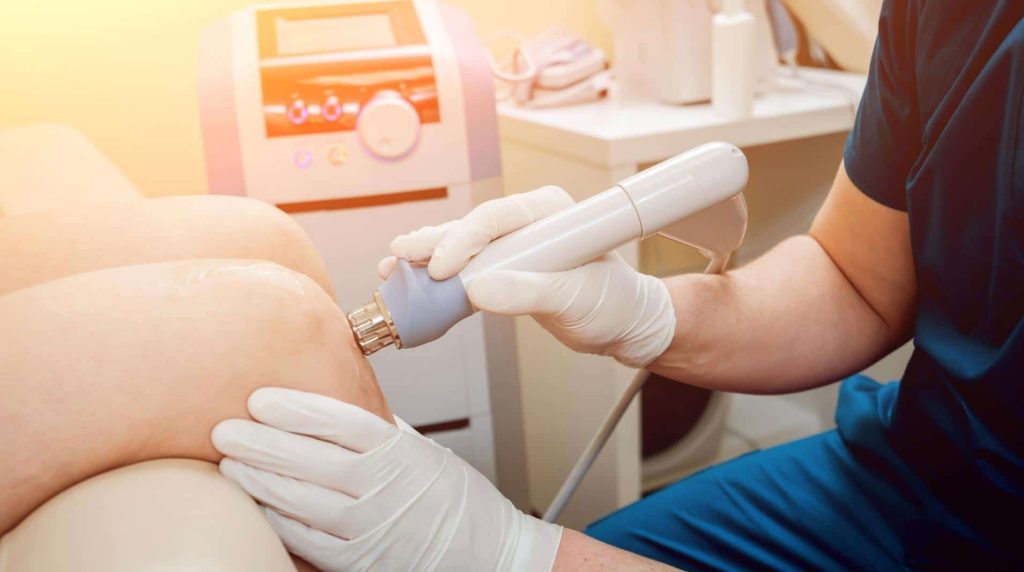
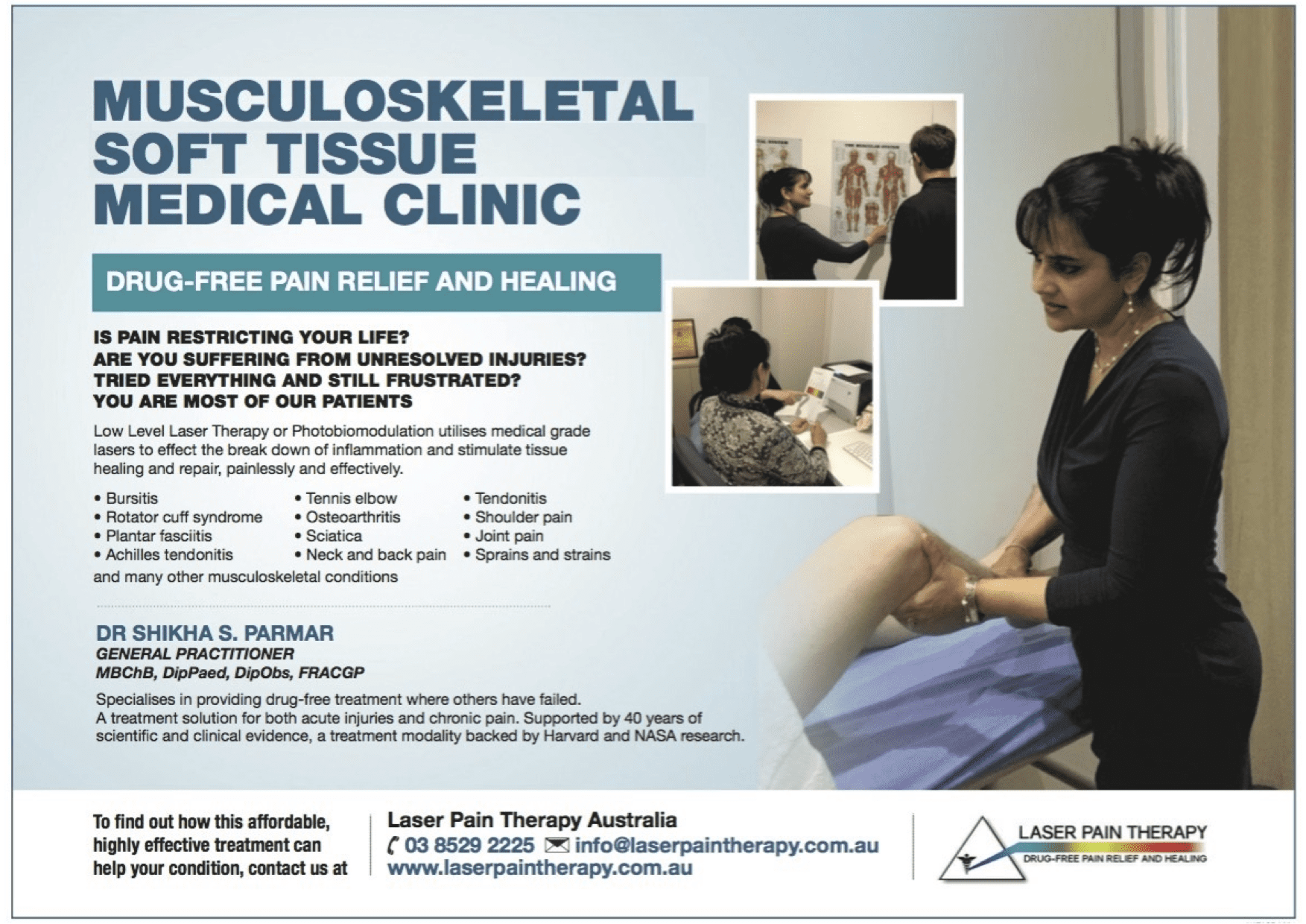
Photobiomodulation Therapy, also called Low-Level Laser Therapy, is one option used in clinical management of musculoskeletal pain and injury. It delivers specific wavelengths of light to affected tissue, with the aim of supporting cellular energy processes, reducing inflammation and helping relieve pain. Unlike surgical lasers, it does not cut or heat tissue, and treatment is generally comfortable.
PBMT may be considered for certain acute and chronic conditions involving muscles, tendons, joints and soft tissue. It can be particularly relevant when pain has led to ongoing guarding and reduced movement, or when a person is seeking to reduce reliance on medication. However, it is not a substitute for proper diagnosis, and suitability depends on the area being treated, the likely cause of symptoms and the person’s broader health history.
At a doctor-led clinic, treatment planning should be individualised rather than based on a generic package of sessions. The number and frequency of treatments can vary according to whether the concern is a recent sporting strain, longstanding neck pain, osteoarthritis-related stiffness or repetitive strain from work.
Avoid the common cycle of relief and flare-up
A frequent mistake is waiting until tension becomes severe, then using one intense stretch, hard massage or heavy workout to try to fix it. This can create a flare-up cycle: pain settles briefly, normal activity resumes too quickly, and the same tissues become overloaded again.
A more sustainable plan is to make smaller adjustments earlier. Break up prolonged sitting. Warm up before demanding activity. Increase exercise load gradually. If a movement repeatedly causes symptoms, do not assume you need to tolerate it indefinitely. It may need a technique adjustment, a temporary reduction in load or clinical review.
Muscle tension is often a useful signal, not an enemy to fight. When you respond with gentle movement, sensible load management and an assessment of persistent symptoms, you give your body a better chance to recover comfortably and return to the activities that matter to you.
Contact us today to arrange your consultation and take the first step towards recovery.
Located in Melbourne
(03) 8529 2225 Contact Us