
A sore Achilles after a longer walk, a painful elbow after gardening, or shoulder pain when reaching into a cupboard can feel like minor problems worth waiting out. Yet knowing when tendon pain needs assessment can prevent a short-term overload injury from becoming a persistent condition that restricts work, exercise and everyday movement.
Tendons are strong bands of connective tissue that attach muscle to bone. They transfer force when you walk, grip, lift, climb stairs or raise an arm. Because they have a relatively limited blood supply compared with muscle, tendons can be slow to settle once irritated. Pain is not always a sign of serious damage, but it is useful clinical information. The pattern, location, duration and behaviour of the pain help determine whether rest and sensible activity modification are appropriate or whether a medical assessment is needed.
When tendon pain needs assessment
An assessment is sensible when pain is severe, persistent, recurrent or affecting normal function. It is particularly valuable when the cause is unclear. Tendon pain can resemble joint arthritis, a muscle injury, bursitis, nerve irritation or referred pain from the neck or lower back. Treating the wrong structure, or repeatedly loading an injured tendon without a plan, may prolong recovery.
Seek prompt medical attention if you felt or heard a pop at the time of injury, develop sudden weakness, cannot bear weight normally, or are unable to lift, push off, grip or move the affected area as usual. These symptoms can occur with a partial or complete tendon tear and should not be managed by simply pushing through pain.
Pain accompanied by marked swelling, bruising, deformity, redness, warmth or fever also requires assessment. While many tendon conditions are not emergencies, infection, fracture, inflammatory disease and significant soft-tissue injury need to be excluded. A hot, swollen joint or tendon area with systemic illness warrants urgent care.
Persistent pain deserves a clearer diagnosis
A mild, recent tendon flare may improve with temporary reduction in aggravating activity, appropriate footwear or equipment changes, and gradual return to load. However, pain that has not clearly improved after one to two weeks, or that repeatedly returns when you resume normal activity, is worth reviewing.
This is especially true if stiffness is prominent in the morning, pain is worsening despite reduced activity, or symptoms are interfering with sleep. Chronic tendon pain is often called tendinopathy. It is not simply inflammation. In many cases, the tendon has become sensitive to load and its structure may have changed over time. Management needs to account for the tendon involved, how long symptoms have been present, your overall health and the demands of your daily life.
Symptoms that should not be ignored
The location of symptoms can provide useful clues. Achilles tendon pain often appears at the back of the heel or several centimetres above it, especially during walking uphill, running or pushing off. Patellar tendon pain is usually felt below the kneecap during stairs, squats or jumping. Tennis elbow commonly causes pain on the outside of the elbow with gripping, typing, lifting a kettle or turning a door handle.
The same symptom in different people may need different management. A recreational runner with gradual Achilles pain after increasing hill sessions may have an overload-related tendinopathy. An older adult who suddenly feels a snap in the same area and cannot push off the foot needs urgent assessment for rupture. The ability to continue walking does not reliably rule out a serious injury.
Assessment is also recommended if you have diabetes, rheumatoid arthritis, peripheral vascular disease, kidney disease or a condition that affects healing. Certain medicines can influence tendon health. Fluoroquinolone antibiotics and prolonged corticosteroid use, for example, are associated with an increased risk of tendon injury in some people. Your clinician can consider these factors alongside your symptoms and medication history.
Children, adolescents and active adults
In children and teenagers, pain near a tendon attachment may sometimes involve a growth plate rather than the tendon itself. Young athletes should be assessed when pain persists, causes limping or changes their ability to train. Early guidance can help protect normal development while keeping them appropriately active.
For adults who play sport, work in physically demanding roles or care for family members, the temptation is often to keep going until pain becomes impossible to ignore. That approach can be costly. A clinician can help identify whether the training load, technique, footwear, workplace task or recovery pattern is contributing, then develop a practical plan that does not rely on complete inactivity unless it is clinically necessary.
What happens during a tendon assessment?
A thorough assessment begins with the story of your pain. Your doctor will ask when it began, whether there was a specific incident, which movements provoke it and how symptoms have changed. They will also consider previous injuries, health conditions, medicines, work demands and sporting activity.
The physical examination may include observing how you walk or move, testing strength and range of motion, palpating the painful area and using specific clinical tests to assess tendon function. In some situations, imaging such as ultrasound, X-ray or MRI may be useful. Imaging is not automatically required for every painful tendon. Scans can show changes that are present even in people without pain, so results are most helpful when interpreted alongside a careful clinical examination.
The goal is not merely to label the problem. It is to identify the likely pain source, rule out conditions needing different treatment and establish what the tendon can safely tolerate now. This creates a sound basis for recovery rather than a cycle of temporary relief followed by another flare.
Treatment should match the stage of injury
The right treatment depends on whether the problem is acute, persistent or associated with a tear or another diagnosis. In the early stage, reducing aggravating load may be necessary, but complete rest for long periods can reduce tendon capacity. Once serious injury has been excluded, carefully progressed movement and strengthening are commonly central to rehabilitation.
Pain management may also be needed so that you can sleep, work and move more comfortably. Some people wish to minimise reliance on anti-inflammatory medicines or stronger pain relief because of side effects, other health conditions or limited benefit. A medically supervised plan can discuss appropriate options without assuming one treatment suits everyone.
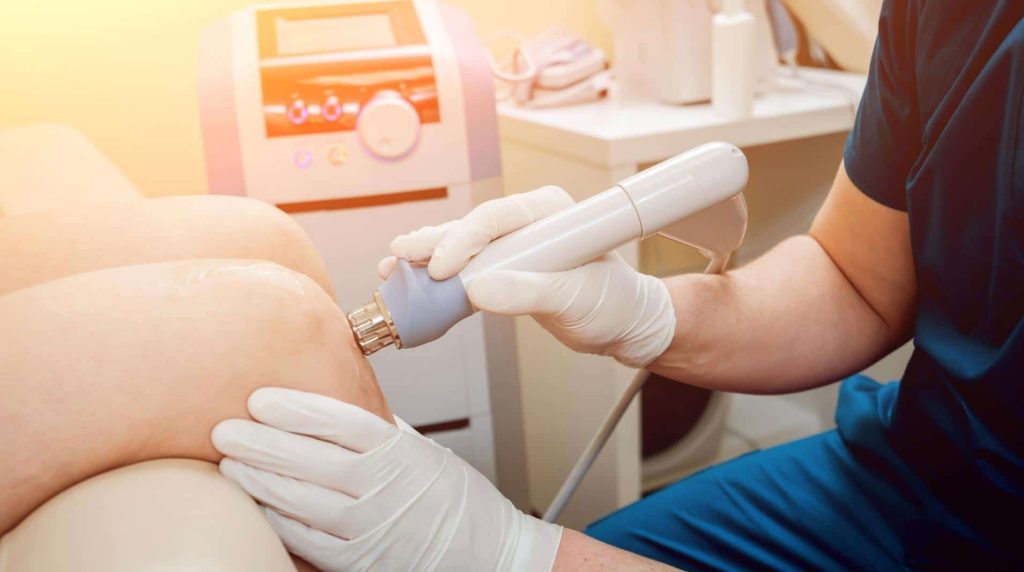
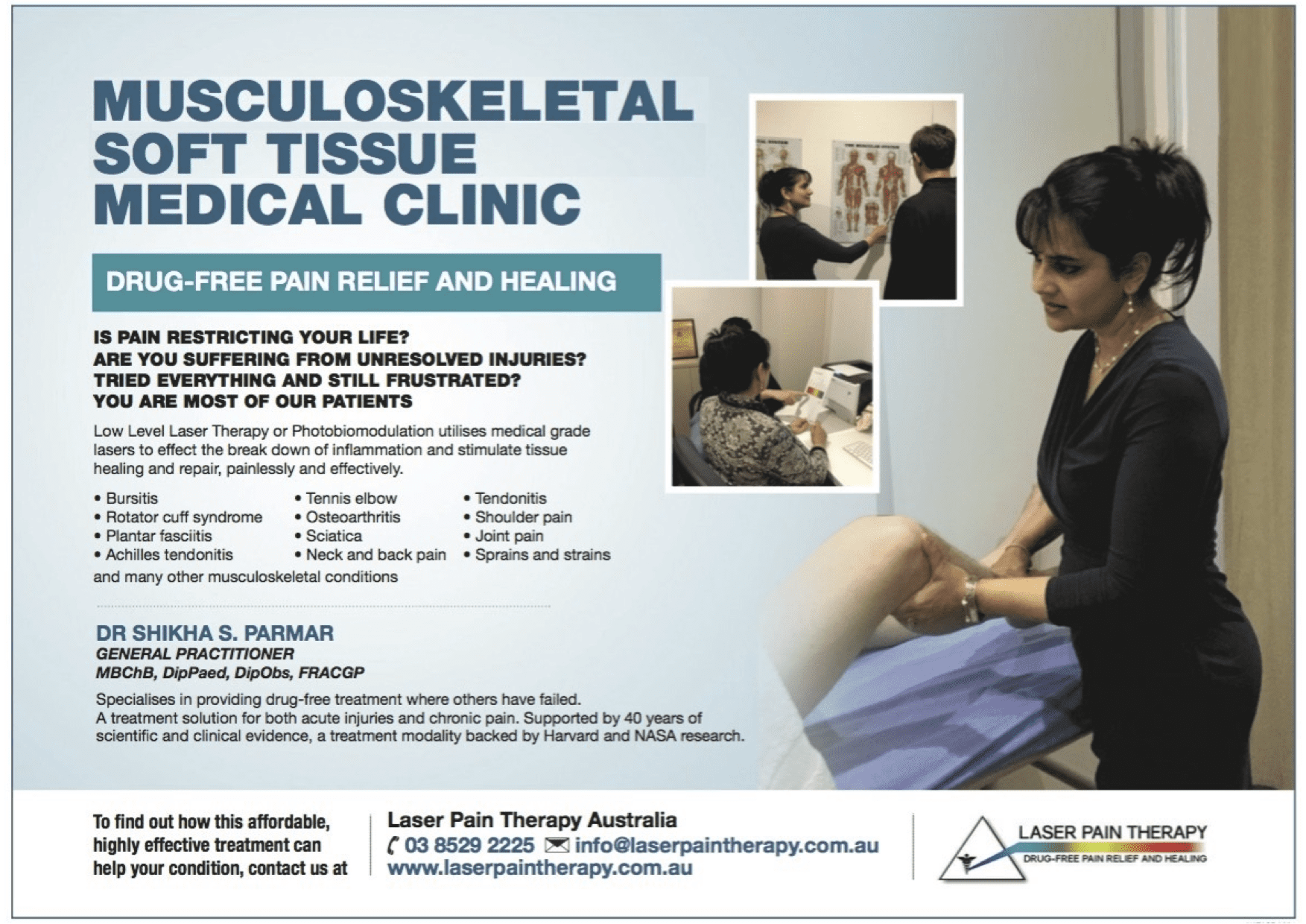
Photobiomodulation Therapy, also known as Low-Level Laser Therapy, may be considered as part of an individualised management plan for suitable tendon and soft-tissue conditions. This non-invasive treatment uses specific wavelengths of light to support cellular processes involved in tissue repair and inflammation modulation. It is comfortable and does not require injections or surgery. However, it is not a substitute for accurate diagnosis, appropriate loading or urgent care where a tear is suspected.
At Laser Pain Therapy, doctor-led assessment and diagnosis review help determine whether PBMT is appropriate and how it may fit with your broader recovery plan. Treatment decisions should be based on your symptoms, examination findings, functional goals and response over time, not a generic protocol.
What to do while arranging care
If tendon pain is not associated with an urgent warning sign, avoid the activity that sharply increases symptoms for the moment. This does not necessarily mean avoiding all movement. Gentle activity within tolerable limits may be preferable to complete immobilisation, depending on the area involved and your diagnosis.
Avoid repeatedly testing the tendon with painful movements to see whether it has improved. Do not use deep, forceful massage directly over an acutely painful tendon, and be cautious about stretching if it causes sharp pain. A supportive shoe, temporary adjustment to work tasks or modified exercise may reduce irritation while you await assessment.
Write down when symptoms occur, what makes them worse or better, and whether pain is affecting sleep or daily tasks. This information can make your consultation more efficient and help your clinician identify meaningful patterns.
Tendon pain is treatable, but it responds best when it is taken seriously before function declines. If your symptoms are persistent, worsening or limiting what you need to do, a timely clinical assessment can replace uncertainty with a targeted path back to comfortable movement.
Contact us today to arrange your consultation and take the first step towards recovery.
Located in Melbourne
(03) 8529 2225 Contact Us