A painful Achilles first thing in the morning, a shoulder that objects to reaching overhead, or an elbow that hurts every time you lift a kettle can make recovery feel uncertain. Tendinopathy outcomes are not measured only by whether a scan looks different. More meaningful outcomes are less pain, greater confidence with movement, improved strength and a return to work, sport and daily life.
Tendinopathy refers to persistent changes within a tendon, often associated with overload. It commonly affects the Achilles tendon, patellar tendon below the kneecap, rotator cuff tendons, gluteal tendons around the hip, and the tendons at the elbow or wrist. While it can be frustratingly slow to settle, a carefully managed plan can improve symptoms and function without relying solely on anti-inflammatory medication, injections or surgery.
What good tendinopathy outcomes look like
The best outcome is not necessarily a completely pain-free tendon within a few days. Tendons adapt slowly, and recovery is usually judged across several areas. Pain should become less intense, less frequent and less reactive after activity. Function should improve, whether that means walking up stairs, carrying groceries, typing comfortably, sleeping without pain or returning to training.
Strength and load tolerance matter just as much. A person may report reduced pain but still be unable to tolerate a long walk, a full shift on their feet or repeated lifting. That is why a clinically useful assessment considers what the tendon can do, not just how it feels while resting.
For active people, successful outcomes also include returning to sport progressively and with a lower risk of flare-up. For older adults or those with longstanding pain, success may be the ability to remain independent, move with more ease and reduce reliance on regular pain medicines.
Why recovery time varies so much
There is no single timetable for tendinopathy. A recent overload problem may respond sooner than symptoms that have persisted for many months or years. The affected tendon, severity of pain, occupational demands, training volume, sleep, general health and previous injury all influence progress.
A tendon also needs the right amount of loading. Too little activity can reduce strength and confidence. Too much, too soon can maintain pain sensitivity and irritate the tendon. Finding the appropriate level is often the central challenge of treatment.
Some people notice a meaningful change in pain within several weeks, while rebuilding reliable capacity can take months. This is not a treatment failure. It reflects the biology of tendon adaptation and the need to restore strength gradually. Improvement is rarely perfectly linear: a busy weekend, a change in footwear or an unexpected increase in work demands can cause a temporary flare. The key is whether recovery is progressing over time, with flares becoming more manageable and less disruptive.
Pain reduction is only one measure
Pain scores are useful, but they can be misleading when used alone. A tendon may be comfortable during a quiet week, then painful again when normal activity resumes. Conversely, some manageable discomfort during a prescribed strengthening programme does not automatically mean damage is occurring.
A clinician will usually look for patterns: morning stiffness, pain during or after activity, next-day response, tenderness, strength, range of movement and the specific tasks that remain limited. These details guide decisions about whether to maintain, reduce or advance activity.
The role of diagnosis in improving outcomes
Not every pain near a tendon is tendinopathy. Bursitis, joint arthritis, nerve irritation, stress injury, partial tendon tear or referred pain can produce similar symptoms. For example, lateral hip pain may involve gluteal tendons, but it may also be aggravated by spinal or hip-joint conditions. Persistent heel pain may arise from the Achilles tendon, plantar fascia or another structure altogether.
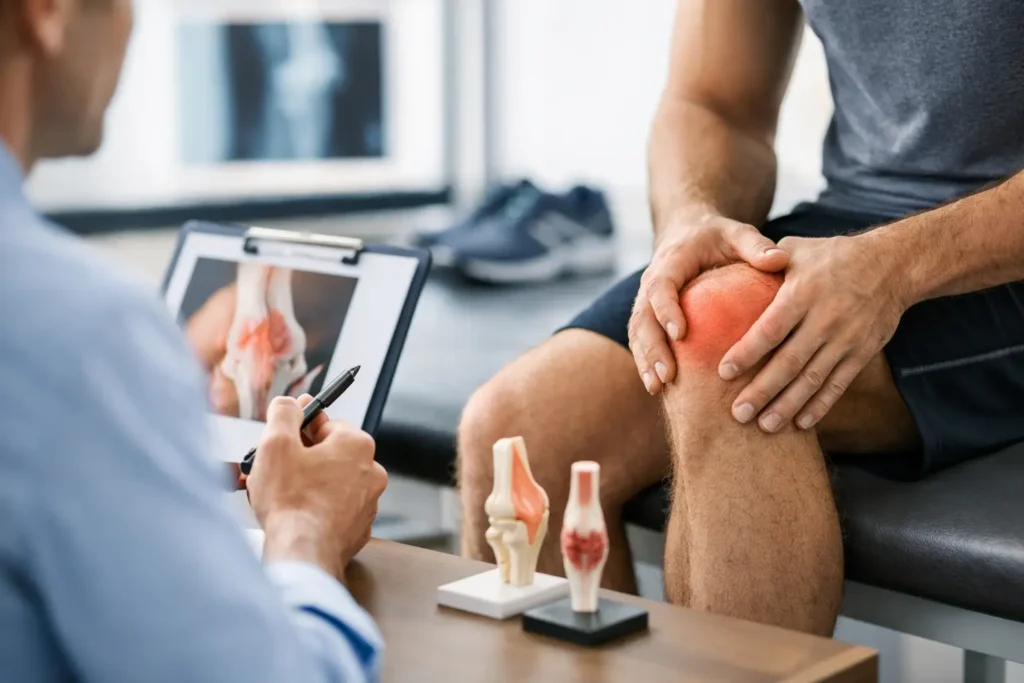
A proper medical assessment helps ensure treatment matches the diagnosis. Imaging can be useful in selected cases, particularly when a tear, bony injury or another condition is suspected. However, scan findings must be interpreted alongside symptoms and physical examination. Structural changes can exist in pain-free tendons, while a very painful tendon may not always show dramatic imaging changes.
Seek timely medical review if pain followed a sudden pop, there is marked swelling or bruising, you cannot bear weight or use the limb normally, or the area is hot, red or accompanied by fever. These features may require a different and more urgent approach.
Treatment factors that influence tendinopathy outcomes
An effective plan is individualised rather than based on a one-size-fits-all protocol. Load management and progressive strengthening are usually central because tendons need a gradual stimulus to regain capacity. Depending on the location and stage of symptoms, this may include isometric exercises, slow resistance work, balance training, movement retraining or a staged return to running, jumping or workplace tasks.
Education is equally valuable. Knowing how to interpret pain during activity can prevent two common problems: stopping all movement out of fear, or repeatedly pushing through severe symptoms. As a general guide, exercises should be tolerable and should not trigger substantial or sustained worsening the following day. The right threshold differs between individuals, which is why supervised progression is helpful.
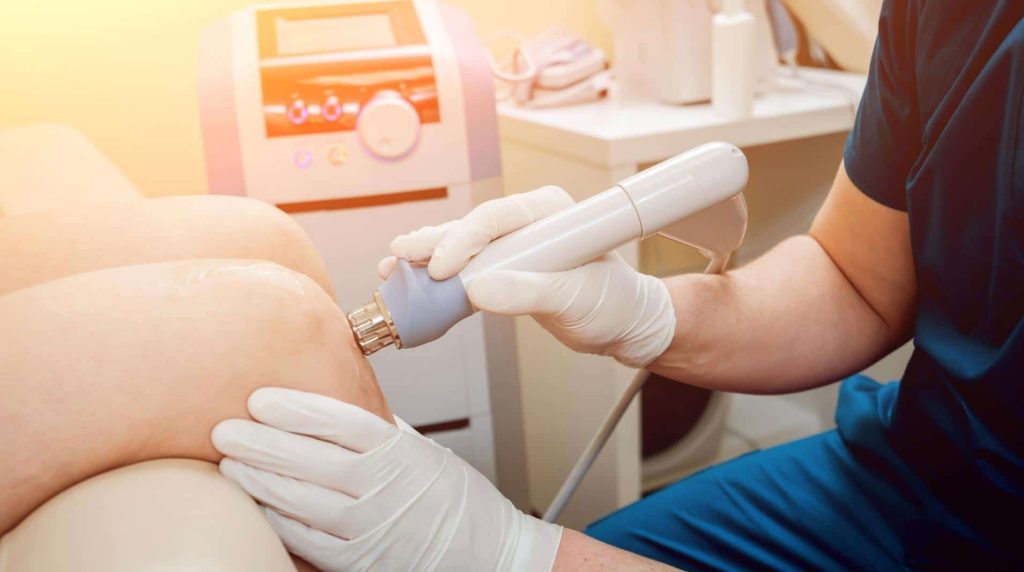
Photobiomodulation Therapy, also known as Low-Level Laser Therapy or PBMT, may be considered as part of a broader non-invasive plan. It uses specific wavelengths of light intended to support cellular processes involved in tissue repair and to help modulate pain and inflammation. Treatment is comfortable and does not involve medication or injections.
PBMT should not be presented as a substitute for restoring tendon strength and load tolerance. Its potential value is in helping reduce pain and irritability so that a person can move, exercise and participate more effectively in their rehabilitation programme. Outcomes depend on the condition, chronicity, treatment parameters and the wider management plan.
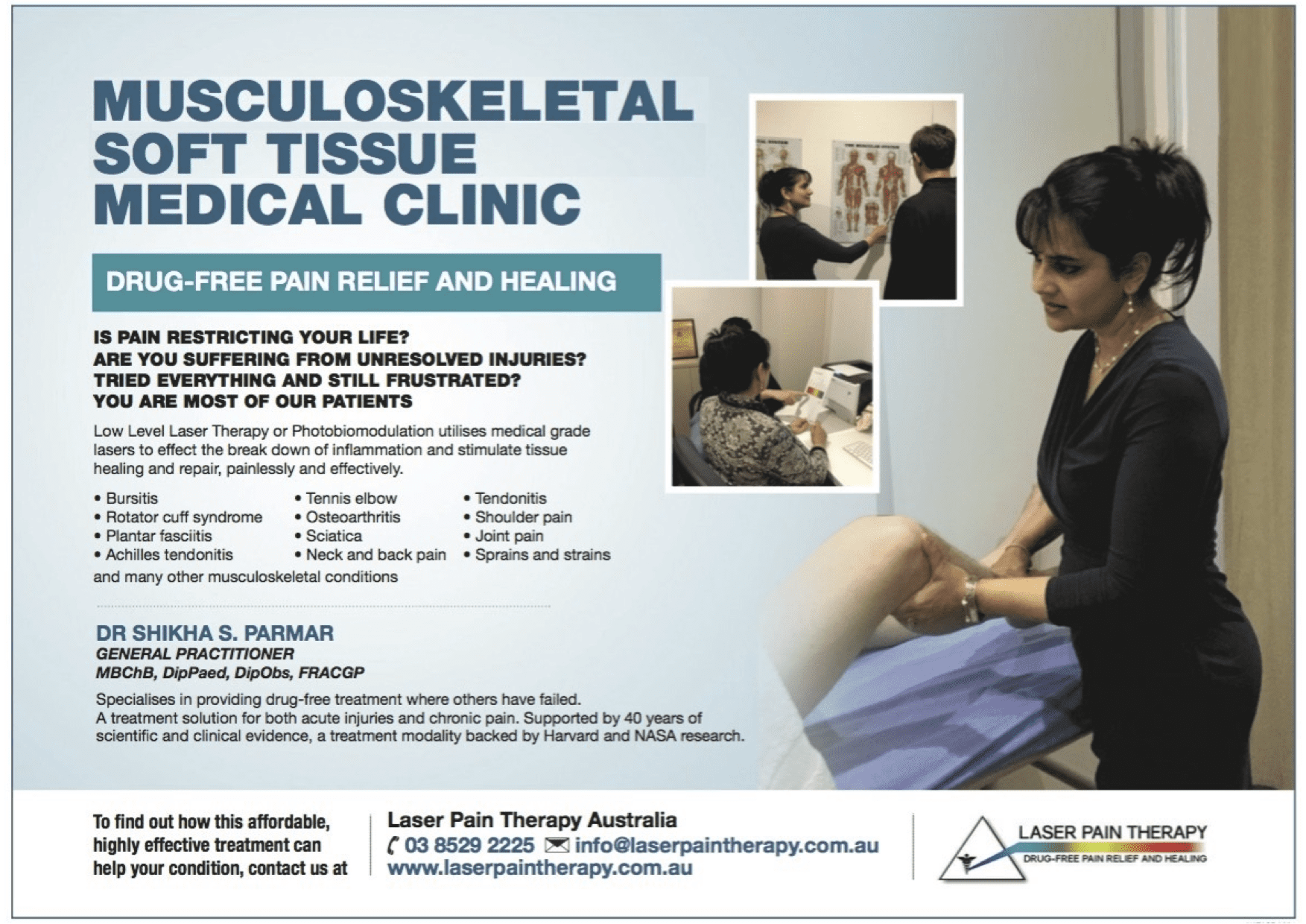
At Laser Pain Therapy, doctor-led assessment and personalised PBMT treatment are designed to address these clinical variables rather than offering a generic wellness session. This can be particularly relevant for people whose symptoms have persisted despite rest, basic exercises or repeated medication use.
Setting realistic goals for chronic tendon pain
When pain has been present for a long time, the first goal may be to reduce daily irritability rather than immediately return to every previous activity. A runner may begin by walking without a limp. A tradesperson may aim to complete a shift with fewer breaks. A parent with wrist pain may focus on lifting a child more comfortably.
These practical milestones make progress visible. They also allow treatment to be adjusted according to what matters most to the person affected. For some, returning to competitive sport is appropriate. For others, maintaining mobility and avoiding surgery or long-term medication may be the priority.
Tendinopathy can coexist with diabetes, osteoarthritis, reduced circulation, obesity or other health conditions that affect healing and movement. These factors do not mean improvement is impossible, but they may change the pace and structure of care. A realistic plan accounts for the whole person, not simply the tendon.
When progress stalls
If symptoms are unchanged after a period of consistent, well-directed care, reassessment is sensible. The original diagnosis may need reviewing, the tendon may be receiving more load than it can currently tolerate, or an important contributor such as poor sleep, altered gait, workplace demands or weakness elsewhere may have been missed.
Repeatedly resting until pain settles and then returning straight to the same aggravating activity often creates a cycle of improvement and relapse. A better strategy is to build capacity in planned stages, monitor the response and modify the plan before a mild flare becomes a prolonged setback.
The most encouraging tendinopathy outcomes are often built through steady, measurable gains rather than a dramatic overnight change. With an accurate diagnosis, sensible load progression and clinically guided treatment, many people can move more freely and return to the activities that give their day structure, independence and enjoyment.
Contact us today to arrange your consultation and take the first step towards recovery.
Located in Melbourne
(03) 8529 2225 Contact Us