A tendon injury that keeps flaring, a stiff arthritic knee, or a sore shoulder that interrupts sleep can make recovery feel frustratingly slow. Understanding how laser therapy aids recovery can help patients decide whether this drug-free, non-invasive treatment may have a place in a medically guided plan for restoring comfort and movement.
Photobiomodulation Therapy (PBMT), also called Low-Level Laser Therapy (LLLT), uses specific wavelengths of light to influence cellular activity in injured or painful tissue. It is not surgery, and it does not heat or damage the body in the way high-powered surgical lasers do. The aim is to support the biological processes involved in pain reduction and tissue healing, while helping patients stay active enough to regain function.
How laser therapy aids recovery at a cellular level
The body repairs tissue through a coordinated process involving blood flow, inflammatory signalling, cellular energy production and collagen remodelling. When that process is disrupted or prolonged, pain may persist well beyond the initial injury. This is common with conditions such as tendinopathy, repetitive strain injuries, osteoarthritis, sprains and chronic neck or back pain.
PBMT delivers light energy to the affected area. Cells absorb this energy through structures involved in energy production, particularly the mitochondria. In response, they may produce more adenosine triphosphate, or ATP, which is the fuel cells use to carry out repair and normal day-to-day functions.
This cellular response is why laser therapy is different from treatments designed simply to mask pain. While a session may provide symptom relief, the clinical goal is also to create better conditions for healing. The exact response depends on the condition, the age of the injury, the tissues involved and the person’s overall health.
Reducing inflammation without relying solely on medication
Inflammation is not always the enemy. In the early phase after an injury, it is part of the body’s repair response. The problem arises when inflammatory activity becomes excessive, persistent or poorly regulated, contributing to swelling, sensitivity and restricted movement.
Research into photobiomodulation suggests it can help modulate inflammatory pathways and reduce inflammatory mediators in appropriate clinical settings. For a patient, this may translate into less swelling, reduced tenderness and greater ease of movement. It is not a replacement for urgent assessment where there is severe trauma, suspected fracture, infection or a sudden loss of strength, but it may be a useful conservative option once a diagnosis has been reviewed.
For people who are concerned about the side effects of regular anti-inflammatory medication, this matters. Laser therapy does not carry the gastrointestinal, kidney or medication-interaction risks associated with some pain medicines. That does not mean patients should stop prescribed medication without medical advice. Rather, PBMT may help reduce the need for medication as recovery progresses.
Supporting circulation and tissue repair
Injured muscles, tendons, ligaments and soft tissues need oxygen and nutrients to repair. PBMT can support local microcirculation and cellular processes associated with healing. Improved circulation may also assist with the removal of metabolic waste products that can contribute to soreness and stiffness.
This is particularly relevant for tendons, which often have a limited blood supply and can be slow to settle after overload. A runner with Achilles tendinopathy, an office worker with persistent elbow pain, or a parent managing a child’s sports injury may all need more than rest alone. Laser therapy can be combined with carefully graded movement, strengthening and load management to support a more durable recovery.
Laser therapy is not a shortcut around rehabilitation. A damaged or deconditioned tissue still needs the right amount of progressive loading to regain strength. However, when pain is preventing a person from participating in that process, reducing pain and irritability can make rehabilitation more achievable.
Pain relief can make movement possible again
Pain changes how people move. Someone with knee pain may avoid stairs, shift weight to the other leg or stop walking regularly. Someone with a painful shoulder may limit reaching and gradually lose strength and confidence. These protective changes are understandable, but over time they can add stiffness, weakness and further strain.
One practical way laser therapy aids recovery is by helping interrupt this cycle. PBMT may influence nerve signalling and reduce pain sensitivity in the treated area. For some patients, this means they can move more comfortably after treatment and begin returning to activities that are essential for recovery, from walking the dog to completing prescribed exercises.
Results vary. Acute soft-tissue injuries may respond differently from long-standing osteoarthritis or chronic pain that involves multiple contributing factors. A realistic treatment plan should focus on meaningful functional changes, such as sleeping more comfortably, turning the neck while driving, returning to work duties or walking farther with less pain, rather than promising an instant cure.
Which conditions may benefit from PBMT?
Laser therapy is commonly used as part of a management plan for musculoskeletal pain and injury. It may be considered for joint, muscle, tendon, ligament, nerve and soft-tissue conditions, including tennis elbow, plantar fasciitis, rotator cuff pain, knee osteoarthritis, neck pain, lower back pain, sprains and sports injuries.
It can also be valuable where symptoms have become persistent despite rest, exercise, massage or standard physiotherapy approaches. Persistent pain does not necessarily mean the tissue is continuing to deteriorate, but it does warrant a careful review. The right treatment depends on whether pain is driven by inflammation, degeneration, overload, nerve sensitivity, biomechanics or a combination of factors.
A clinical assessment is therefore more useful than choosing treatment based on a diagnosis found online. A doctor-led consultation can review the history of the problem, previous scans or reports where relevant, medications, movement limitations and any red flags that require a different pathway of care.
What a course of treatment usually involves
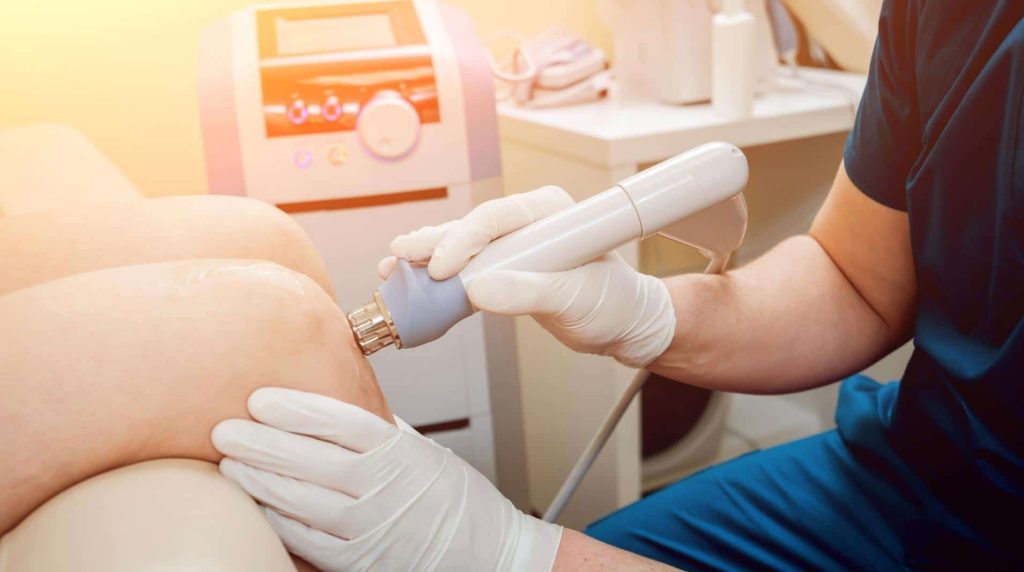
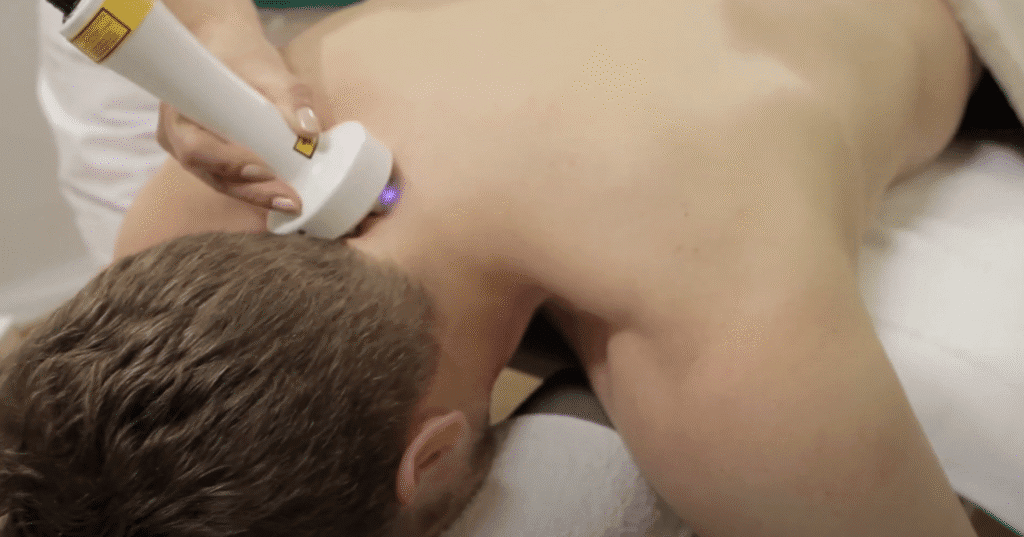
PBMT treatment is comfortable. The laser device is applied to the skin over the relevant tissues for a set period, using treatment settings selected for the condition and the depth of the target area. Patients do not usually need downtime and can generally return to normal daily activities afterwards, unless their injury requires activity restrictions.
Recovery is rarely a one-session process. The number and frequency of sessions depends on the condition, its severity and how long it has been present. Recent injuries may require a different approach from chronic pain that has developed over months or years. Response should be reviewed throughout treatment, with the plan adjusted according to pain levels, function and tolerance to activity.
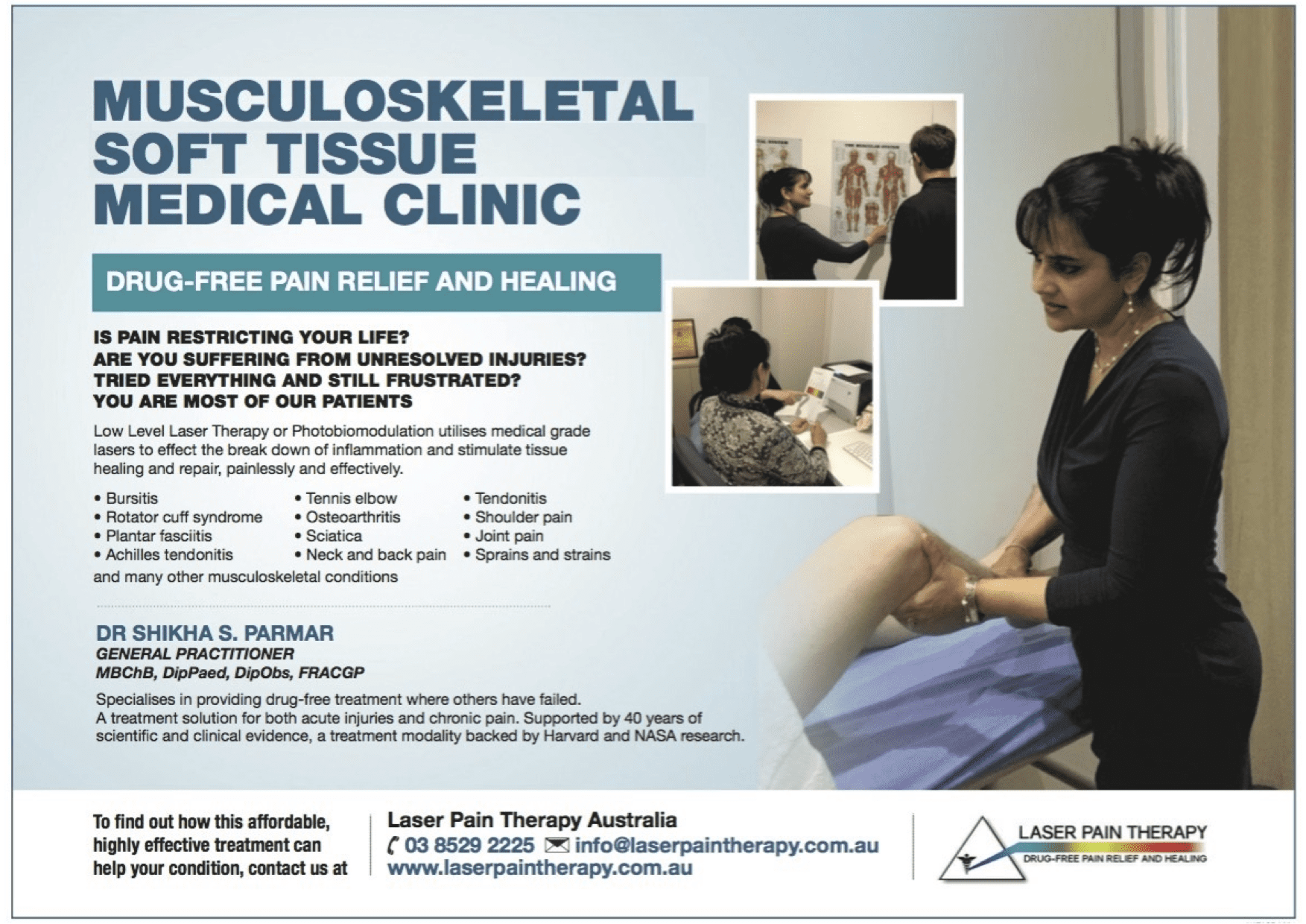
At Laser Pain Therapy, treatment is supported by medically supervised assessment and personalised planning. This is particularly important for patients who have tried multiple treatments without lasting improvement, as the focus should be on the cause and behaviour of the condition, not simply the site of pain.
Safety, suitability and sensible expectations
When delivered appropriately, low-level laser therapy is considered a safe, non-invasive treatment option for many people, including older adults and young people with suitable injuries. There is no injection, no anaesthetic and no recovery period from the procedure itself.
However, safe treatment still requires screening. Laser therapy may not be appropriate over known or suspected malignancy, directly over the eyes, or in some circumstances involving pregnancy, photosensitivity or specific medical conditions. A clinician should also assess unexplained pain, significant swelling, fever, progressive neurological symptoms or pain following major trauma before treatment begins.
The quality of care matters as much as the technology. Effective PBMT depends on accurate diagnosis, appropriate wavelength and dosage, correct treatment area and a plan that addresses contributing factors. Generic wellness sessions cannot replace clinical judgement when pain is persistent, severe or affecting day-to-day function.
For many people, recovery begins when pain no longer dictates every decision. A properly assessed laser therapy plan can provide a comfortable, evidence-informed way to reduce symptoms, support healing and take the next manageable step back towards normal movement.
Contact us today to arrange your consultation and take the first step towards recovery.
Located in Melbourne
(03) 8529 2225 Contact Us