A sore knee that makes stairs difficult, a shoulder that wakes you at night, or a tendon injury that refuses to settle can quickly turn medication into a daily routine. When considering PBMT vs anti inflammatory medication, the real question is not simply which option reduces pain fastest. It is which approach suits the cause of your pain, your health history and your goal of returning to comfortable movement.
Anti-inflammatory medicines can be useful for some people, particularly during a short, painful flare. Photobiomodulation Therapy (PBMT), also called Low-Level Laser Therapy (LLLT), takes a different approach: it uses specific wavelengths of light to support cellular processes associated with reduced inflammation, pain modulation and tissue repair. They are not interchangeable in every situation, and neither should be chosen without appropriate clinical advice.
PBMT vs anti inflammatory medication: the key difference
Non-steroidal anti-inflammatory drugs (NSAIDs), including medicines such as ibuprofen and naproxen, work systemically. They reduce the production of chemicals involved in inflammation and pain signalling. This can make them helpful when pain and swelling are limiting sleep, mobility or participation in rehabilitation.
However, symptom relief is not the same as resolving the underlying issue. A person with osteoarthritis, rotator cuff tendinopathy, plantar fasciitis or a repetitive strain injury may have ongoing mechanical load, tissue irritation, reduced strength or joint changes contributing to their symptoms. Medication may make activity more tolerable, but it does not directly restore tendon capacity, improve muscle function or address why the condition developed.
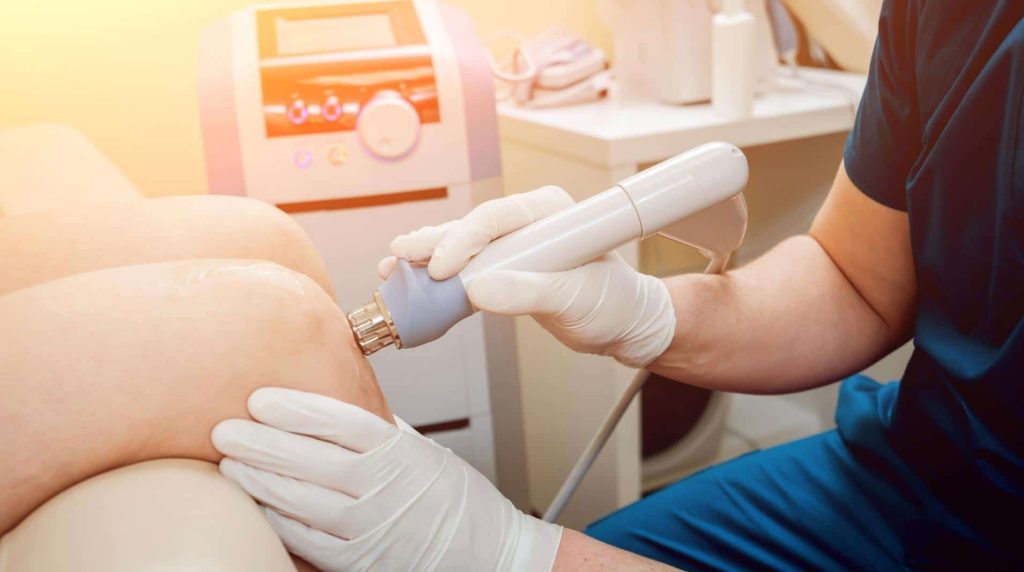
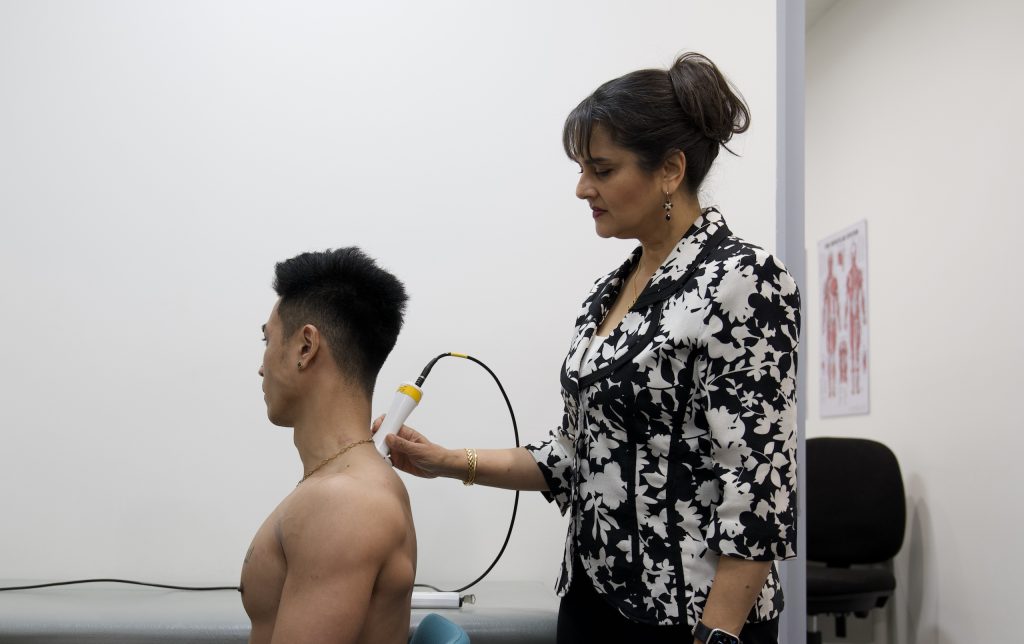
PBMT is applied directly to the affected area. Medical laser devices deliver controlled light energy into tissue, where it is absorbed by cellular components. This can influence mitochondrial activity, circulation and inflammatory pathways. The therapeutic aim is to reduce pain and inflammation while supporting the biological conditions needed for recovery.
For patients, the practical distinction is straightforward. Medication is usually taken by mouth and works throughout the body. PBMT is a local, non-invasive treatment delivered in a clinical setting as part of an individualised pain management plan.
When anti-inflammatory medication can be appropriate
Anti-inflammatory medication remains a legitimate part of medical care. A GP may recommend it for a short period after an acute injury, during an inflammatory flare, or when pain is preventing a person from sleeping or moving safely. It can also be useful while further assessment is underway.
The decision depends on the person, not just the painful body part. NSAIDs may be unsuitable or require close medical guidance for people with a history of stomach ulcers, kidney disease, heart disease, high blood pressure, bleeding disorders or certain types of asthma. They can also interact with medicines including anticoagulants and some blood pressure treatments. Older adults, who are more likely to have several health conditions or take multiple medicines, should be particularly cautious about self-managing persistent pain with regular anti-inflammatories.
Paracetamol is not an anti-inflammatory medicine, although it may be used for pain relief in some circumstances. Corticosteroids are also different again. They can have a strong anti-inflammatory effect but carry their own risks and are generally used for specific clinical indications rather than as a routine long-term answer to musculoskeletal pain.
This does not mean medication is inherently harmful. It means the lowest effective dose for the shortest appropriate duration, under medical advice, is often the safer principle. If you need tablets repeatedly just to get through ordinary daily activities, it is reasonable to seek a fuller assessment of what is driving the pain.
Where PBMT may offer an advantage
PBMT is drug-free, comfortable and non-invasive. For people concerned about medicine side effects, or those who cannot take NSAIDs safely, this is a meaningful advantage. There is no sedation, no injection and no recovery period after a treatment session.
It may be considered for a broad range of musculoskeletal conditions, including osteoarthritis-related joint pain, neck and back pain, tendinopathies, sports injuries, sprains, muscle strains, bursitis and selected nerve-related musculoskeletal pain. Laser Pain Therapy does not treat generalised or systemic peripheral neuropathy. Treatment is also suitable for many adults, seniors and younger patients when clinically appropriate.
PBMT is not a magic light treatment that fixes every painful condition in one appointment. The response depends on the diagnosis, how long the problem has been present, the severity of tissue injury, load demands and whether contributing factors are addressed. A recent ankle sprain may settle differently from long-standing knee osteoarthritis or persistent lower back pain.
The strongest outcomes usually come from a targeted plan rather than treatment in isolation. This may include modifying aggravating activities, progressively restoring strength and mobility, reviewing footwear or work ergonomics, and managing contributing health factors. PBMT can help make movement and rehabilitation more achievable by reducing pain and tissue irritability.
What does the evidence support?
Research into PBMT has reported benefits for selected pain and inflammatory conditions, but dose and treatment technique matter. The wavelength, power, energy delivered, treatment area and timing all influence the clinical effect. This is why a medically supervised approach is different from using a generic light device without a diagnosis or a clear treatment protocol.
PBMT does not replace urgent medical assessment. Sudden severe pain, a suspected fracture, fever with a hot swollen joint, unexplained weakness, loss of bladder or bowel control, chest pain, or symptoms after significant trauma need prompt medical attention. Laser therapy is also not a substitute for treatment of infection, cancer or systemic inflammatory disease.
Safety and side effects: a practical comparison
Both options have safety considerations, but their risks are different. NSAID side effects can include indigestion, reflux, stomach ulceration, bleeding, fluid retention, raised blood pressure and kidney problems. Risk rises with higher doses, longer use, advancing age and certain pre-existing medical conditions.
PBMT is well tolerated when delivered by trained clinicians using appropriate equipment and protocols. Some people notice temporary mild sensitivity or a short-lived change in symptoms as an irritated area responds to treatment, but significant adverse effects are uncommon. Protective eyewear is used where required, and the treatment plan should take account of medical history, medication use and the location of the condition.
For someone taking anti-inflammatories occasionally and without contraindications, medication may be a sensible short-term tool. For someone with chronic pain, recurrent flare-ups or concern about ongoing tablet use, PBMT may provide a valuable non-pharmaceutical option. In some cases, the two approaches may be used together under the direction of a doctor, with the aim of reducing reliance on medication as pain and function improve.
Choosing treatment based on the cause of pain
Pain is a signal, not a diagnosis. The same knee pain can arise from osteoarthritis, a meniscal injury, patellar tendon overload, bursitis, referred pain from the hip or lower back, or an inflammatory condition. Treating all of these with the same packet of tablets risks overlooking what needs attention.
A proper assessment considers where the pain is, when it started, what makes it worse, how it affects function and whether there are warning signs. Previous scans and reports can be useful, but they need to be interpreted alongside the clinical picture. An old MRI finding is not always the source of today’s pain.
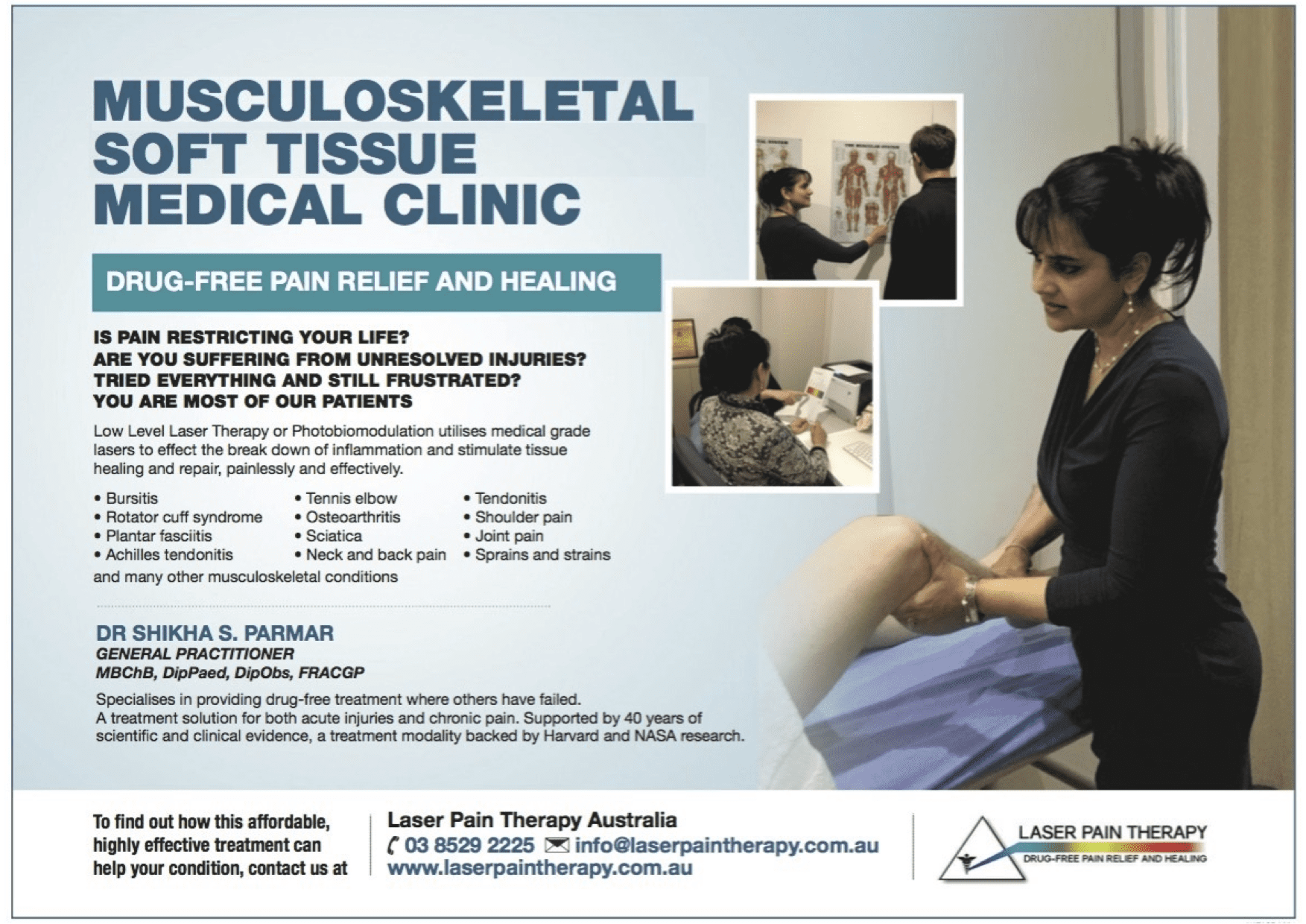
At Laser Pain Therapy, treatment planning is medically guided and tailored to the diagnosis review, symptoms and recovery goals. That may mean PBMT alone, PBMT alongside rehabilitation strategies, or referral back to your GP or another specialist when medication, imaging or further investigation is needed.
What to expect from a PBMT treatment plan
A clinician will first determine whether PBMT is suitable for your condition. Treatment is then delivered to specific tissues and may take only a short time, depending on the area being treated. Most patients can return to normal activities immediately, although advice about exercise, work tasks or sport will depend on the injury.
Chronic problems usually require a course of treatment rather than a single session. Improvement may be gradual: less pain at night, easier walking, better range of movement, or improved tolerance for rehabilitation. These functional changes matter because the goal is not merely to feel better at rest, but to move with greater confidence in daily life.
The choice between PBMT and anti-inflammatory medication is rarely an all-or-nothing decision. If pain is persistent, recurring or limiting your independence, look beyond short-term suppression and seek a clinical plan that addresses inflammation, tissue health and the way your body needs to function.
Contact us today to arrange your consultation and take the first step towards recovery.
Located in Melbourne
(03) 8529 2225 Contact Us