A coffee cup that suddenly feels too heavy, pain when turning a key, or a sharp ache while lifting a saucepan can all point to tennis elbow. Despite its name, most people with this condition have never picked up a racquet. Understanding how LLLT treats tennis elbow can help you decide whether this drug-free, non-invasive option may have a place in a medically guided recovery plan.
What tennis elbow actually involves
Tennis elbow, clinically known as lateral epicondylalgia or lateral epicondylitis, affects the tendons that attach the forearm muscles to the outside of the elbow. These muscles help extend the wrist and fingers, so the tendon is repeatedly loaded during gripping, lifting, typing, using tools, gardening, racquet sports and manual work.
The condition is often described as inflammation, particularly in its early stages. However, long-standing tennis elbow may involve changes in tendon structure and reduced capacity to tolerate load, rather than inflammation alone. This distinction matters. A treatment plan should not only aim to settle pain, but also support tissue recovery and help restore the arm’s ability to cope with everyday demands.
Symptoms commonly include tenderness over the bony outer point of the elbow, pain when gripping or lifting, weakness through the hand and forearm, and discomfort that may travel down the forearm. Symptoms can become persistent when repetitive strain continues or when the tendon is not given the right combination of treatment and graded loading.
How LLLT treats tennis elbow
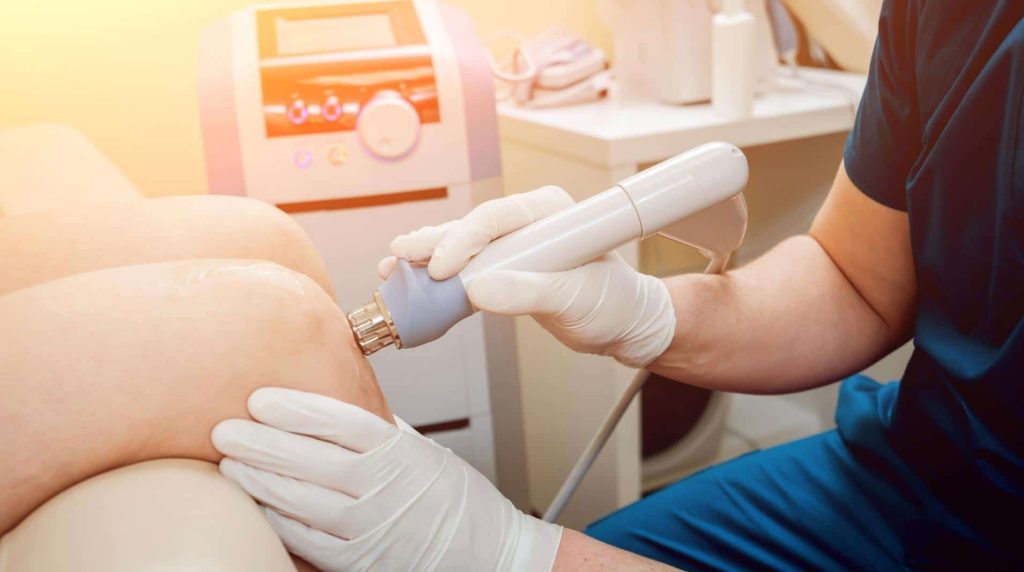
Low-Level Laser Therapy, also called Photobiomodulation Therapy or PBMT, uses specific wavelengths of light to stimulate biological processes within injured or painful tissue. Unlike surgical lasers, LLLT does not cut, burn or damage tissue. Treatment is comfortable, and the laser is applied directly to the relevant area of the elbow and forearm.
When therapeutic light reaches the cells, it is absorbed by structures involved in cellular energy production. This can support the production of ATP, the energy source cells use for repair and normal function. In a painful tendon, the intended clinical effect is to support the body’s healing response while reducing processes associated with pain and inflammation.
For tennis elbow, LLLT may assist by:
- reducing local pain sensitivity and inflammation in irritated tissues
- supporting circulation and cellular activity around the affected tendon
- encouraging tissue repair in a tendon that has been overloaded or slow to recover
- improving comfort and movement so rehabilitation exercises and daily tasks are more manageable
The treatment is not designed to simply mask symptoms. The goal is to create a more favourable environment for recovery while addressing the source of pain through a tailored management plan.
Why dose and assessment matter
Not all laser treatment is the same. Results depend on factors such as the wavelength used, energy dose, treatment area, stage of injury and the individual’s health history. A tendon that has been painful for two weeks requires different clinical consideration from one that has remained painful for two years.
A proper assessment also helps determine whether the pain is truly tennis elbow. Neck-related nerve irritation, radial tunnel syndrome, arthritis, referred pain and other forearm conditions can produce similar symptoms. Treating the wrong structure may delay appropriate care.
At a doctor-led clinic, this assessment includes reviewing your diagnosis, symptoms, aggravating activities, medical history and treatment response. The laser plan can then be adjusted as healing progresses, rather than treating every elbow with a one-size-fits-all protocol.
What a course of treatment may look like
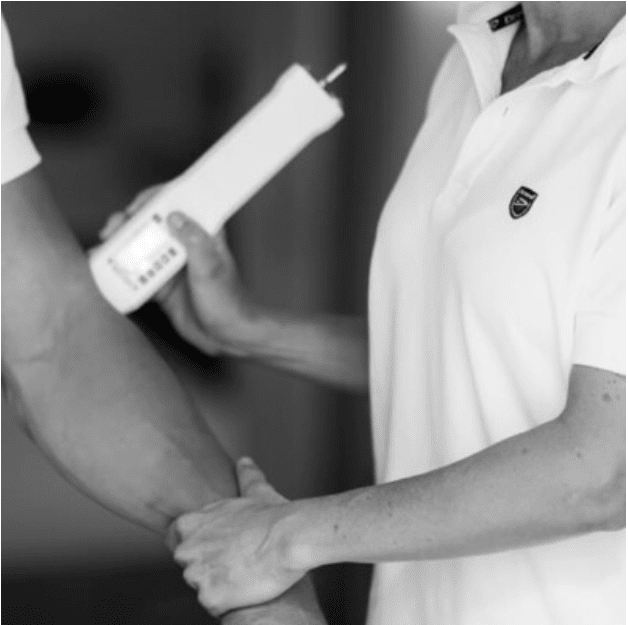
During a laser therapy appointment, the laser device is applied over points around the outside of the elbow and, where appropriate, the involved forearm muscles and tendon pathway. Most patients feel little or no sensation. There are no needles, no anaesthetic and no recovery period, so you can usually return to normal activities straight after the appointment.
The number of sessions varies. Acute symptoms may respond in fewer sessions, particularly when aggravating activities can be reduced early. Chronic tennis elbow often requires a more structured course because tendon changes and pain sensitivity may have developed over many months. Progress is monitored through practical measures such as pain with gripping, tenderness, range of movement and ability to complete work or home tasks.
LLLT can be particularly useful when pain has made it difficult to begin rehabilitation. As symptoms settle, carefully selected exercises can help restore forearm strength and tendon capacity. This combined approach is often more helpful than relying on any single treatment alone.
LLLT is part of a broader recovery plan
Tennis elbow usually develops because the tendon has been asked to do more than it can currently tolerate. That may be a sudden increase in training, prolonged computer work with poor wrist positioning, repetitive use of hand tools, or continuing to work through pain. Laser therapy can support recovery, but it cannot remove the original load issue by itself.
A personalised plan may therefore include temporary modification of painful activities, ergonomic changes at work, guidance on lifting and gripping, and progressive wrist and forearm strengthening. Complete rest for long periods is not always the answer. Tendons generally need appropriate loading to regain resilience, but the timing and amount of load must be right.
Some people also use anti-inflammatory medication, braces, physiotherapy or corticosteroid injections. Each option has potential benefits and limitations. Medication may offer short-term symptom relief but does not directly repair tendon tissue. A brace can reduce strain during selected tasks, although it is not a long-term solution. Injections may be considered in particular circumstances, but repeated corticosteroid use can be unsuitable for tendon health. A clinician can help weigh these options against the duration and severity of your symptoms.
Is laser therapy safe for tennis elbow?
When delivered with appropriate equipment, protocols and clinical oversight, PBMT is widely used as a non-invasive treatment for musculoskeletal pain and injury. It does not involve radiation, and it is generally well tolerated by adults and children.
That said, laser therapy is not appropriate for every person or every area of the body. Your clinician should screen for relevant contraindications and precautions, including active cancer at the treatment site, pregnancy considerations, photosensitivity, certain medications and any uncertainty around the diagnosis. A medically supervised consultation is particularly valuable if you have significant weakness, numbness, a traumatic injury, severe swelling, fever, or pain that is worsening rather than improving.
When to seek assessment
Consider an assessment if elbow pain has persisted beyond a few weeks, keeps returning, interferes with work or sleep, or has not improved with basic self-care. Early intervention may help prevent a manageable tendon problem from becoming a longer-term limitation.
For people in Melbourne seeking an evidence-based, drug-free approach, Laser Pain Therapy provides medically supervised PBMT treatment plans focused on pain reduction, tissue healing and return to function. Care is tailored to the person in front of the clinician, not just the label of tennis elbow.
The practical aim is simple: reduce the pain that stops you using your arm, support the tendon as it recovers, and rebuild confidence in the movements your day requires. With the right assessment, appropriately dosed LLLT and sensible rehabilitation, many people can move from protecting a painful elbow to using it comfortably again.
Contact us today to arrange your consultation and take the first step towards recovery.
Located in Melbourne
(03) 8529 2225 Contact Us