A painful shoulder that wakes you at night, an Achilles tendon that never quite settles, or knee arthritis that makes stairs difficult can leave you looking for more than temporary relief. LLLT results can be meaningful for many people, but they are not instant or identical for every condition. The most useful question is not whether low-level laser therapy works in general, but what change is realistic for your diagnosis, symptoms and stage of healing.
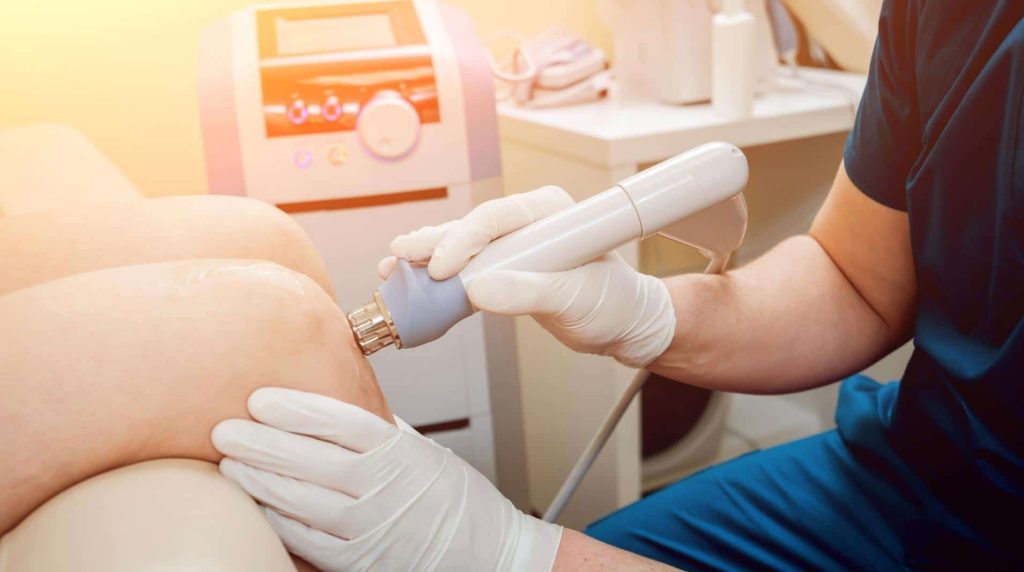
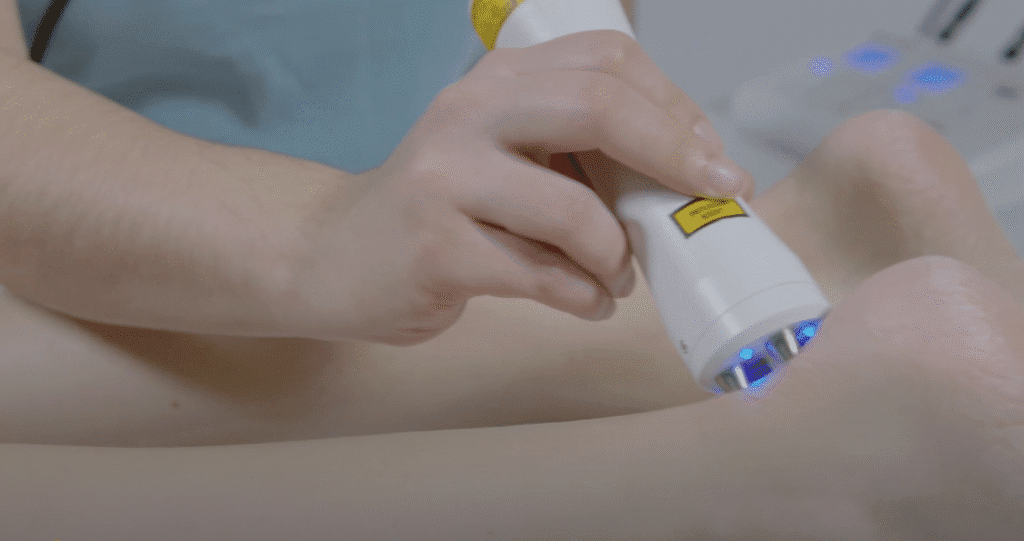
Low-Level Laser Therapy, also called Photobiomodulation Therapy or PBMT, uses specific wavelengths of light to support cellular processes involved in inflammation control, circulation and tissue repair. It is a non-invasive, drug-free treatment delivered through the skin, without heat damage to the treated area. In a medically supervised setting, it forms part of a personalised plan rather than a one-size-fits-all treatment.
What LLLT results may look like
Patients do not always notice improvement in the same order. For acute injuries, such as a recent muscle strain, sprain or sporting injury, reduced swelling and pain may be the first changes. This can make it easier to move the joint normally and begin appropriate rehabilitation sooner.
With chronic conditions, the progress is often more gradual. Someone with long-standing neck pain may first find they can turn their head further when reversing the car. A person with plantar fasciitis may notice less pain with their first steps in the morning. For osteoarthritis, a realistic outcome may be improved walking tolerance, less stiffness and fewer pain flares rather than a reversal of joint wear.
Meaningful results usually relate to function as well as pain. Depending on the condition, treatment may help reduce tenderness, improve range of movement, support return to work or exercise, and reduce reliance on pain medicines. These changes matter because pain scores alone do not show whether you can sleep comfortably, carry shopping, play with your children or return to the activities that give your day structure.
Pain reduction is not the only marker of progress
Pain is influenced by inflammation, injured tissue, muscle guarding, sleep, stress and the nervous system. It may fluctuate even when healing is progressing. For this reason, a clinical treatment plan should track several measures: pain severity and pattern, range of movement, strength where appropriate, swelling, daily activity tolerance and response between sessions.
A reduction in pain can allow better movement, but it should not be interpreted as permission to immediately overload a recovering tendon, joint or muscle. The goal is durable improvement, not a brief window of relief followed by another flare-up.
When do patients notice LLLT results?
Some people report a change after their first few sessions, particularly when treating a recent injury or an inflammatory flare. Others require a course of treatment before the response is clear. Chronic tendon pain, degenerative joint conditions and persistent spinal pain often have several contributing factors and typically need a more considered timeframe.
The number and frequency of sessions depend on the area being treated, the severity and duration of symptoms, the depth of the target tissue and your health history. A superficial soft-tissue injury may respond differently from a deeply located hip problem or a chronic nerve-related pain condition. It also matters whether the original driver of the problem is still present, such as repetitive desk work, poor loading technique, inadequate recovery or an unresolved biomechanical issue.
At the initial assessment, a doctor should review your diagnosis, relevant scans or reports, medications, previous treatment and treatment goals. This helps establish whether PBMT is appropriate and what outcomes should be monitored. If progress is not occurring as expected, the plan may need adjustment or further investigation. Continuing a treatment course without reassessing the diagnosis is not good clinical care.
Why LLLT results differ between patients
PBMT is supported by research for a range of musculoskeletal conditions, but research findings are not a promise that every individual will have the same outcome. The quality of treatment matters. Effective laser therapy requires appropriate clinical assessment, suitable equipment, correct wavelength and dose, and accurate application to the relevant tissue.
The result also depends on the problem being treated. A newly strained calf muscle has different healing needs from a tendon that has been painful for a year. Osteoarthritis involves structural joint changes, while a repetitive strain injury may be strongly influenced by work setup and repeated loading. Laser therapy may help address pain and inflammation, but it cannot remove every factor contributing to symptoms.
Your broader health can influence recovery too. Diabetes, reduced circulation, smoking, poor sleep, high stress levels, limited activity or an inability to modify aggravating tasks may slow progress. This is not about blame. It is about building a treatment plan that reflects the realities of your body and daily life.
Treatment works best as part of a plan
For many musculoskeletal conditions, PBMT is most useful alongside advice about movement, activity modification and, where relevant, targeted exercises or rehabilitation. The right balance is individual. Complete rest can weaken some tissues, while pushing through significant pain can delay recovery.
A person with shoulder tendinopathy may need to temporarily change overhead tasks and gradually rebuild shoulder strength. Someone with lower back pain may need support to return to walking and normal movement without fear of triggering pain. Laser therapy can help create a more manageable pathway for this work by reducing symptoms and supporting tissue recovery, but it is rarely a substitute for addressing the cause of repeated aggravation.
Setting realistic expectations for common conditions
The appropriate pathway is guided by symptom response and functional recovery, not an arbitrary deadline.
For tendon conditions such as tennis elbow, Achilles tendinopathy or rotator cuff-related shoulder pain, recovery can take time because tendons adapt slowly. Early improvement may include less pain with gripping, walking or lifting. Longer-term progress should include a better ability to tolerate gradually increased load.
For arthritis and degenerative joint pain, the aim is often to improve comfort and mobility and reduce the impact of flare-ups. It is reasonable to seek better day-to-day function, but it is not realistic to expect laser therapy to regenerate severely worn joint surfaces. Honest expectations protect patients from disappointment and help focus treatment on outcomes that genuinely improve quality of life.
Persistent pain requires particular care. When pain has lasted months or years, there may be ongoing tissue irritation as well as changes in how the nervous system processes pain. A doctor-led review can help determine whether PBMT should be part of care and whether further medical assessment is required.
How to judge whether treatment is worthwhile
Before beginning, identify a small number of practical goals. These could be sleeping through the night, walking the dog for 20 minutes, using a keyboard without forearm pain, getting up from a chair more easily or returning to a modified gym programme. Review these goals at agreed intervals rather than relying only on how you feel immediately after a session.
Ask how your condition will be assessed, what the likely treatment schedule is, when progress should be reviewed and what alternatives may be needed if improvement is limited. A reputable clinic will be clear that no treatment can guarantee a particular result. It will also explain safety considerations and screen for circumstances in which laser therapy may not be suitable.
PBMT is generally comfortable and does not involve injections, surgery or medication. However, appropriate precautions remain essential, including eye protection and clinician guidance about treating particular areas or medical circumstances. A thorough assessment is especially valuable if you have unexplained symptoms, significant weakness, numbness, fever, sudden loss of function or pain following major trauma. These signs may require urgent or different medical care.
The purpose is not to chase a quick fix. It is to identify an evidence-informed path towards less pain and more confident movement.
The best LLLT result is not simply a lower number on a pain scale. It is the return of an ordinary ability you have been missing – walking, working, exercising, sleeping or living with less caution around every movement.
Contact us today to arrange your consultation and take the first step towards recovery.
Located in Melbourne
(03) 8529 2225 Contact Us